
GREAT LAKES NOW | Detroit PBS - Arctic Graying Story
Telling the Story of the Arctic Grayling’s Return to Michigan
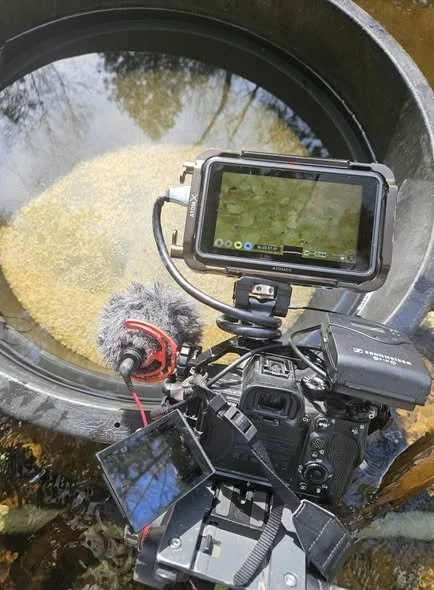
For the past two years, Running Wild Media has had the privilege of documenting one of Michigan’s most inspiring conservation stories — the return of the Arctic grayling to northern Michigan rivers.
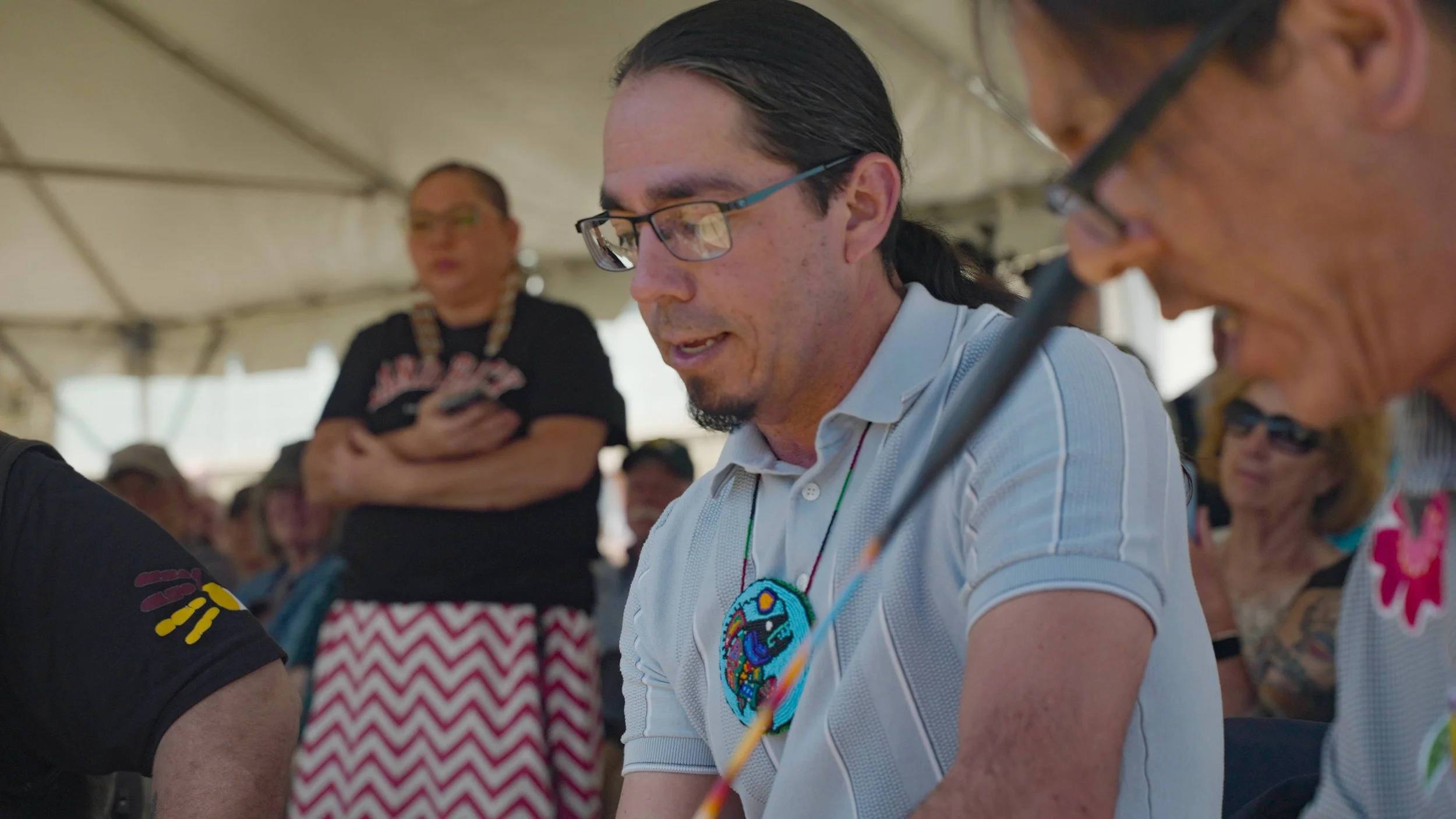
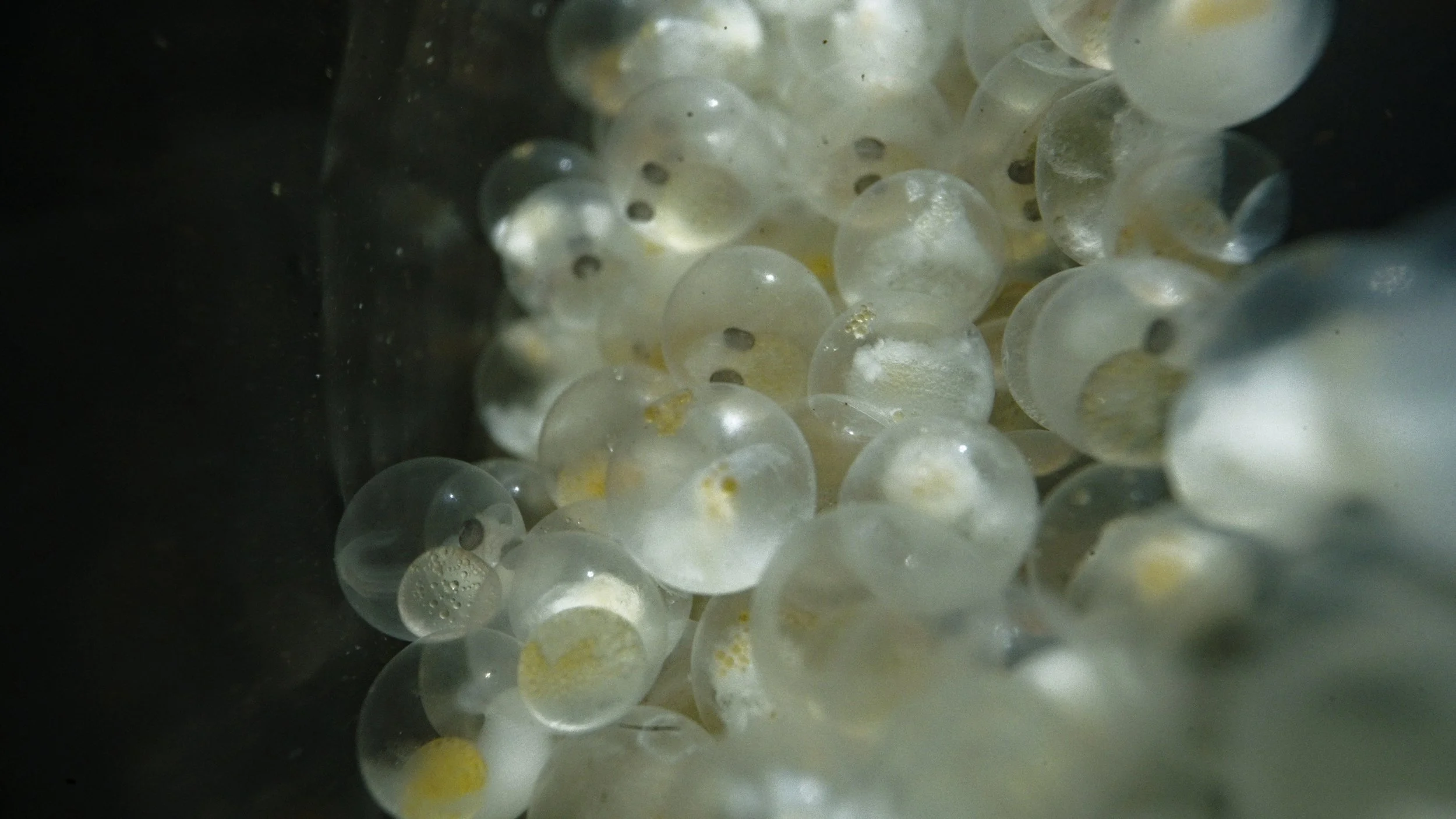
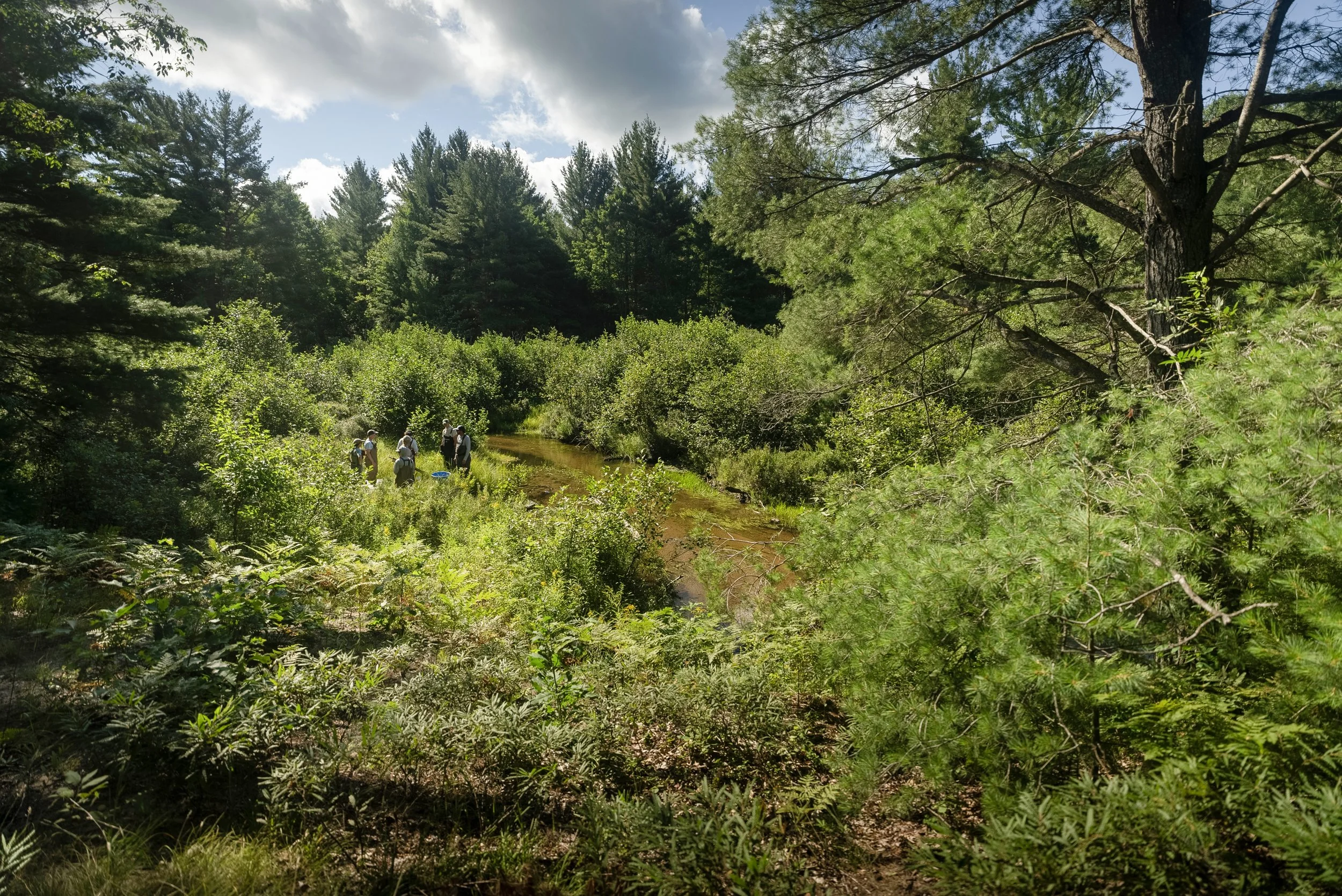
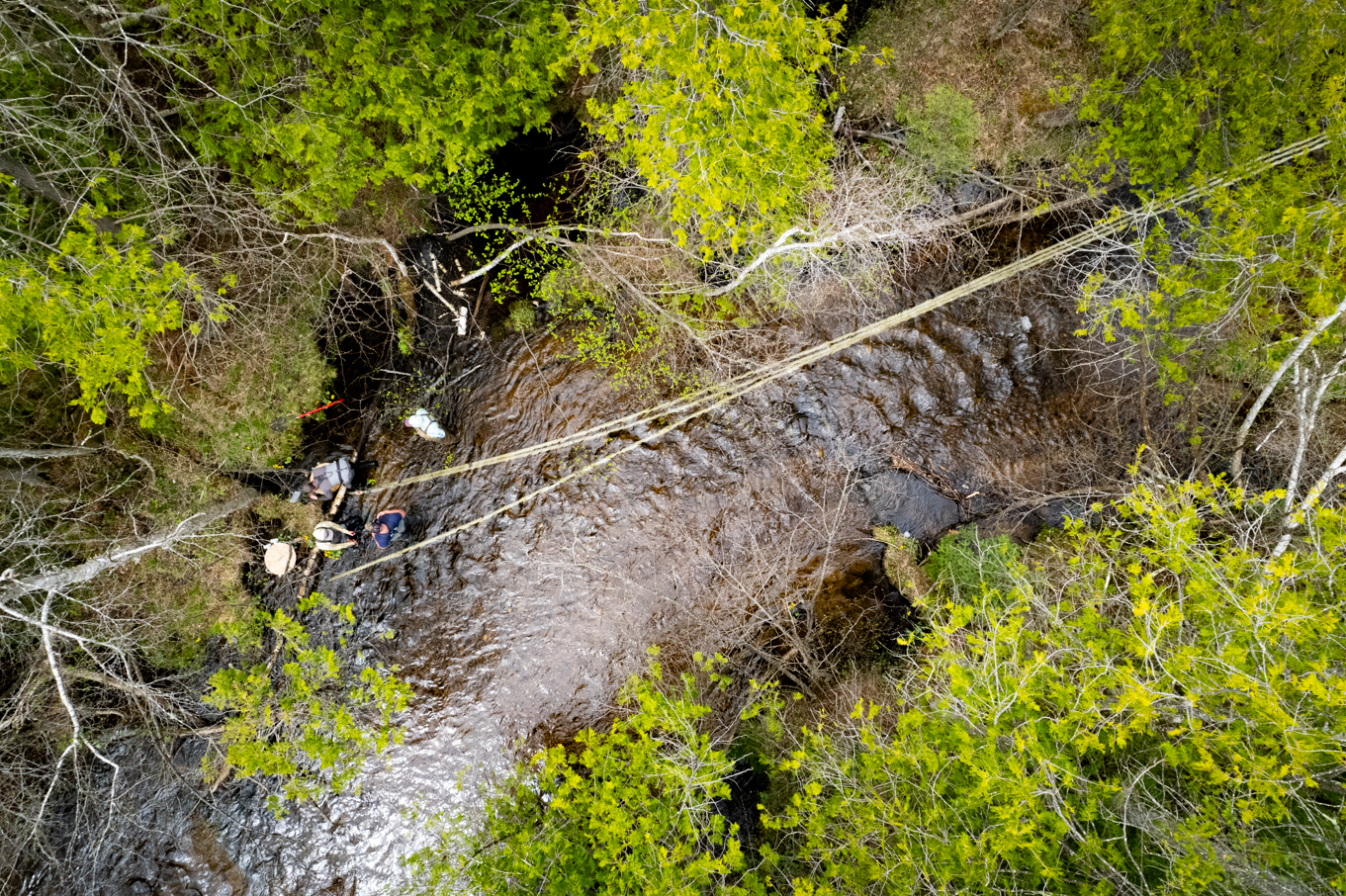
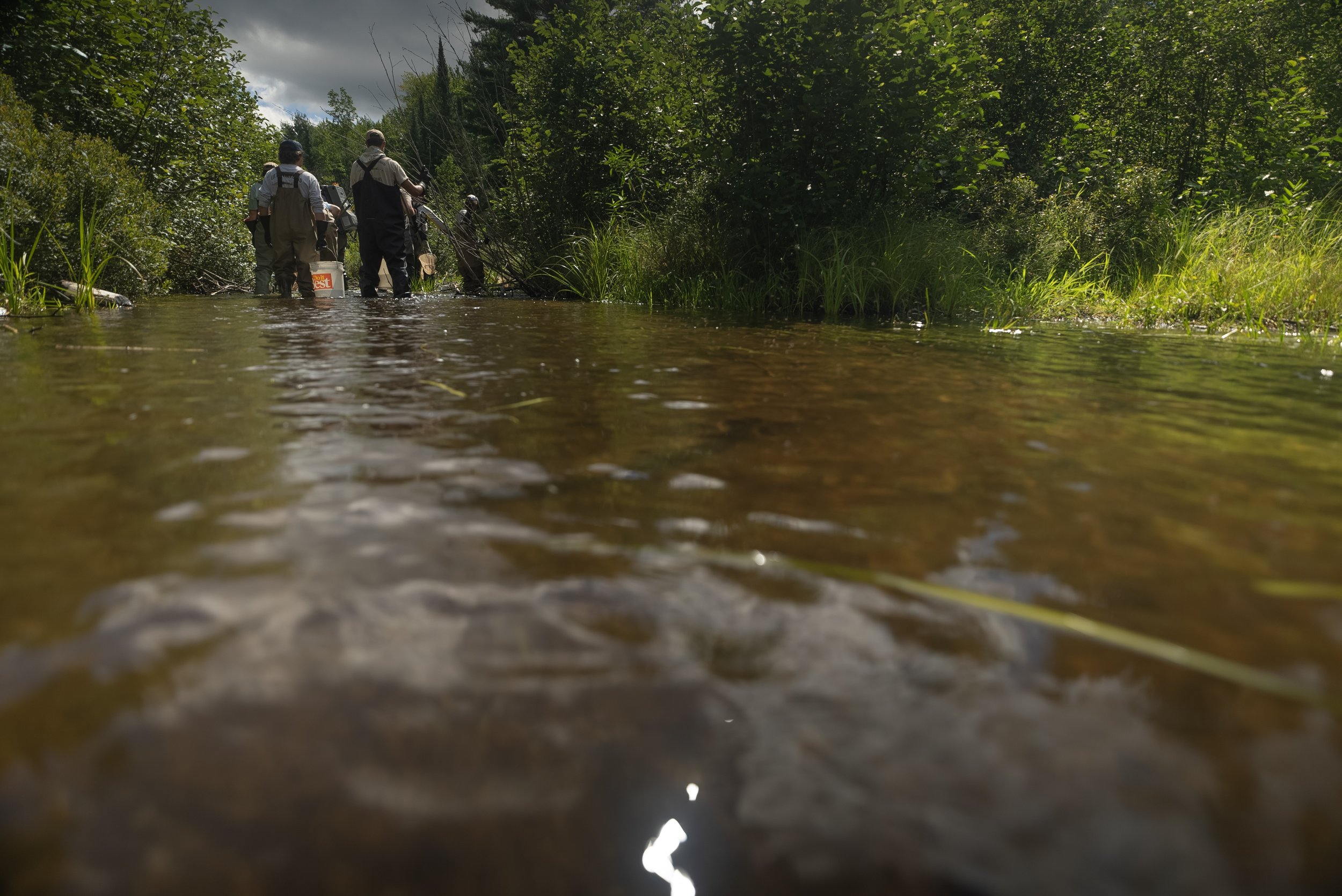
What began as habitat surveys in cold, clear streams has grown into a multi-year effort to restore a fish once thought lost to the state forever. Our crew has followed this journey from the earliest scientific assessments — wading into rivers to evaluate temperature, flow, and spawning habitat — to the delicate process of egg collection and rearing. We documented the first ceremonial transfer of eggs, a powerful moment marking collaboration between biologists and tribal partners, and we stood on riverbanks as young grayling were reintroduced into Michigan waters for the first time in nearly a century.
Working alongside the Little River Band of Ottawa Indians and the Grand Traverse Band of Ottawa and Chippewa Indians, as well as state and federal partners, we have witnessed the blending of science, culture, and conservation. The reintroduction effort is more than a fisheries project — it is a restoration of ecological balance and cultural heritage.
A Fish Once Lost
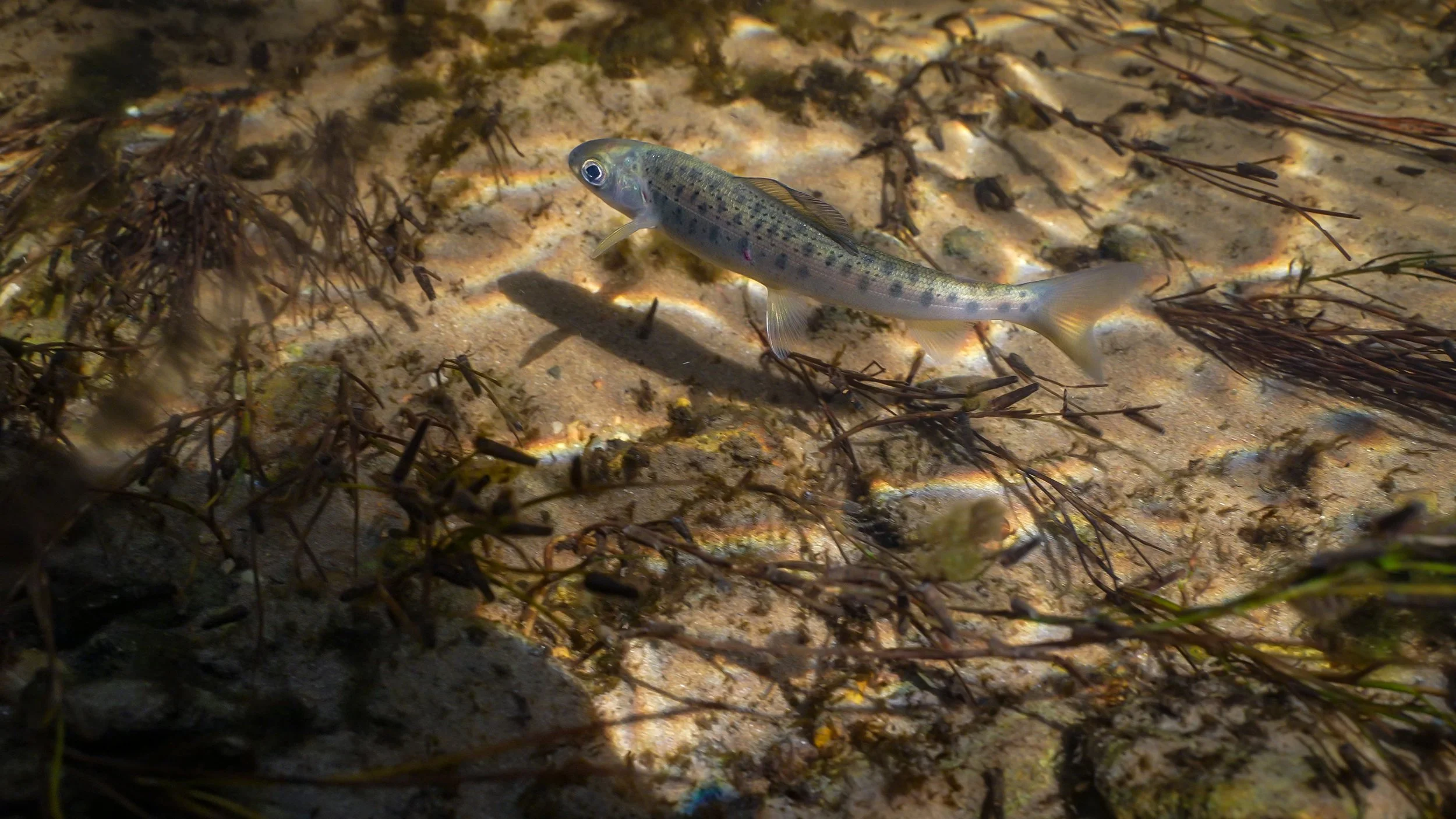
Arctic grayling were once abundant in Michigan, particularly in the cold-water rivers of the northern Lower Peninsula. Known for their striking sail-like dorsal fin and iridescent colors, they were a signature species of Michigan’s early river systems.
By the early 1900s, however, the species had disappeared from the state. The causes were complex but interconnected. Extensive logging operations in the late 1800s stripped riverbanks of vegetation, increasing erosion and sedimentation that degraded spawning habitat. Unregulated commercial and recreational overfishing placed additional pressure on already declining populations. At the same time, the introduction of non-native fish species created new competition for food and habitat. Within a few decades, Michigan’s native grayling were gone.
For nearly 100 years, they remained absent from the waters where they once thrived. Establishing a self-sustaining Arctic grayling population in Michigan will take years of careful monitoring, adaptive management, and continued habitat protection. Over the next five to ten years, biologists will track survival rates, spawning success, genetic diversity, and ecosystem interactions to determine whether reintroduced populations are successfully reproducing and establishing stable numbers.
For Running Wild Media, this project represents the heart of conservation storytelling — following a species not just in crisis, but in recovery. The return of the Arctic grayling is a reminder that extinction at the state level does not have to be permanent. With science, partnership, and persistence, restoration is possible.
We look forward to continuing to document this story as it unfolds — returning to the rivers each season to see whether the sailfin silhouette of the grayling once again becomes a permanent part of Michigan’s waters.
Photo Gallery

Great Lakes Now | Detroit PBS
Great Lakes Now is a nationally distributed television and digital news program produced by Detroit PBS that focuses on environmental, economic, and cultural issues across the Great Lakes region. The series covers topics ranging from water quality and fisheries to Indigenous stewardship, climate change, and community resilience. Through in-depth reporting, documentaries, and expert interviews, Great Lakes Now connects local stories to the broader health and future of the world’s largest freshwater system.
