A Fish without a Name
Is a Species Truly Saved If it’s Not Fully Remembered?
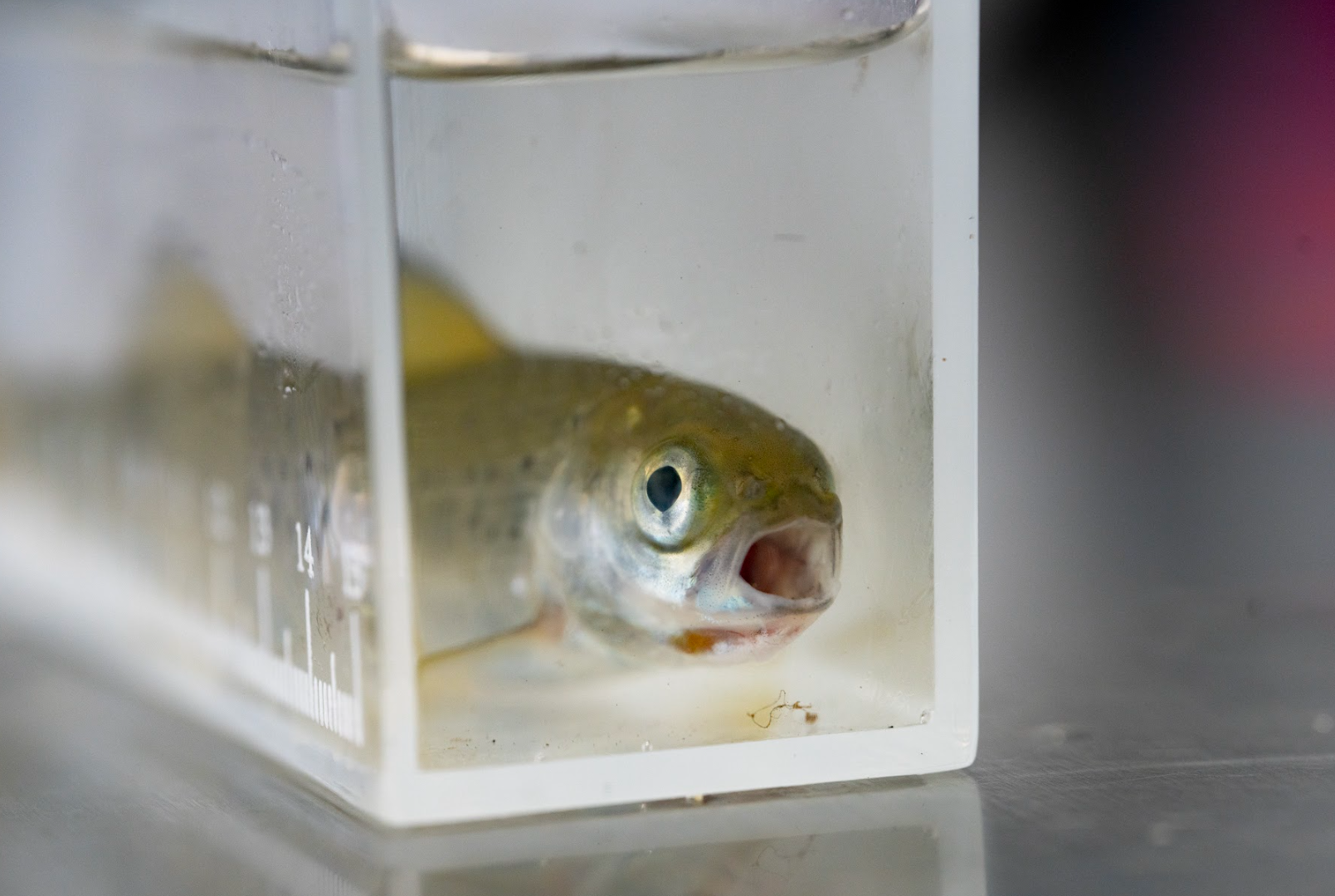
The Arctic grayling once thrived throughout the cold waters of Michigan’s Upper Lower Peninsula. More than just a fish, it was a relative, woven into the ecology of the rivers and the lives, language, and knowledge of the Indigenous communities who lived alongside it.
With colonization came extraction. Logging choked rivers with sediment, overfishing emptied waters, and non-native species displaced what had evolved there for millennia. By the early 20th century, the Arctic grayling was gone from Michigan—extirpated from its home. As the fish disappeared, so too did its name. Through boarding schools and policies designed to erase Indigenous identity, the original word for grayling faded from living memory, unheard in Michigan for nearly a century.
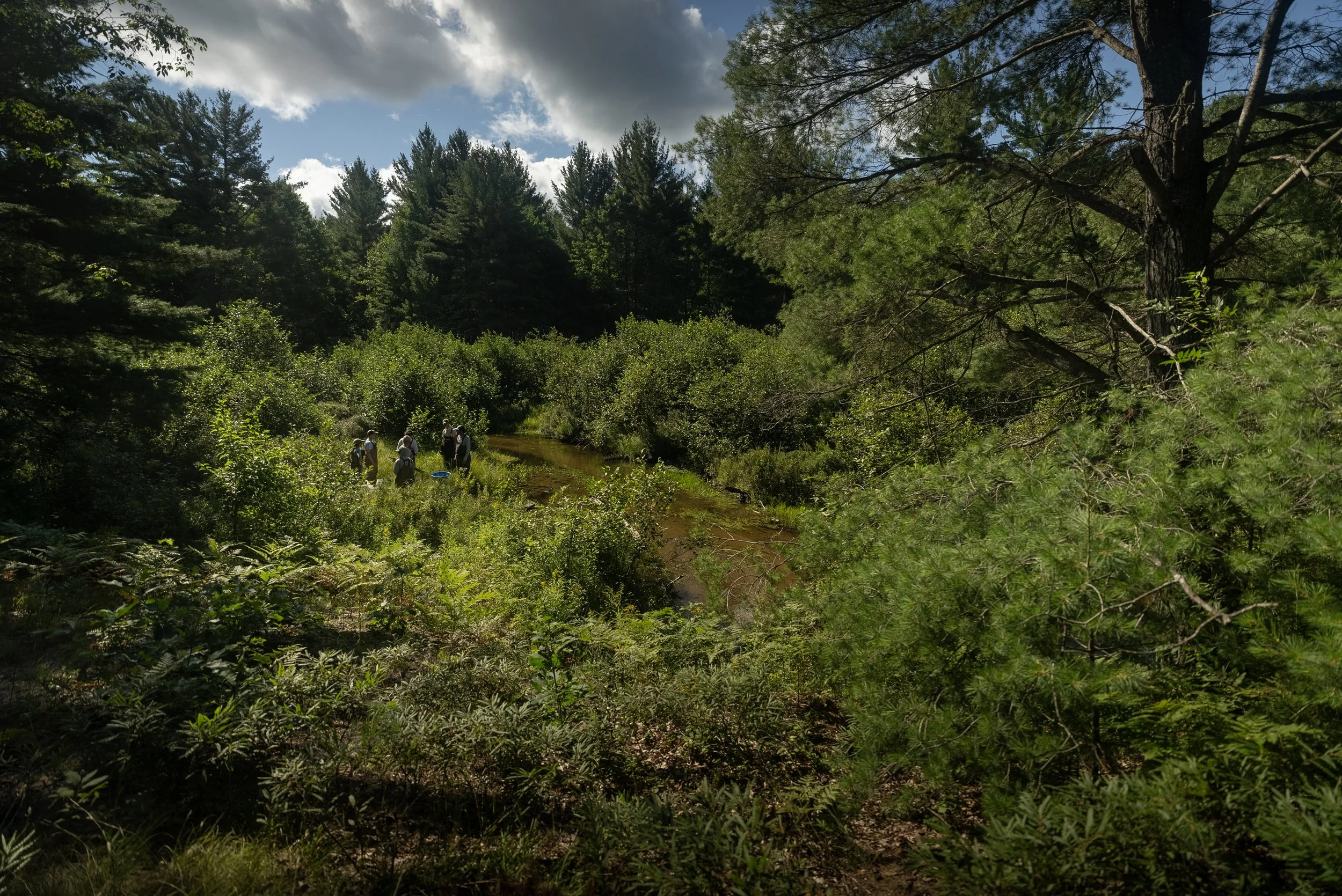
Today, the Grand Traverse Bay Band of Ottawa and Chippewa Indians have decided that absence is not the end of the story. In partnership with the Little River Band of Ottawa Indians, and alongside state and federal agencies, they are working to return the Arctic grayling to Michigan’s rivers carefully, intentionally, and on their own terms by carefully releasing eggs and young fish back into the water over the next several years.
At the heart of this effort is one man’s journey. As he helps guide the biological return of the fish, he travels north to reconnect with distant tribal relatives in Canada, communities where grayling were never lost, and where the language, stories, and relationships with the fish still endure. In searching for the original word for grayling, he also seeks restoration of identity, memory, and belonging.
The Nameless Fish is a short film (~15 min) of reintroduction and reconnection, of science and ceremony, rivers and language. It explores what it truly means to bring a species home, and asks whether you can truly restore a species’ population without restoring the name, knowledge, and relationships that once flowed with it.
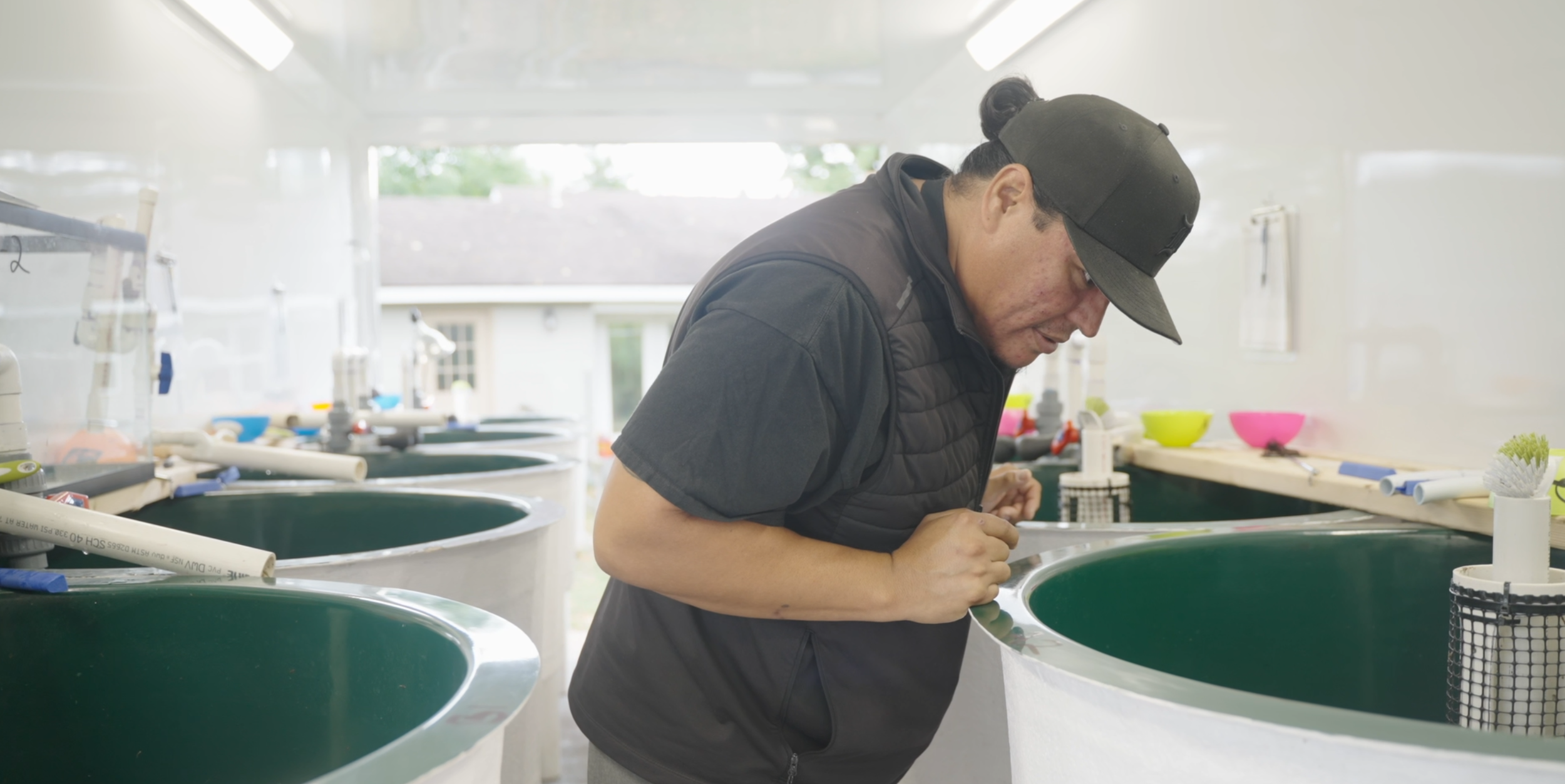
“It really goes back to our original linguistics and our creation story”
Aaron Chivis describes the responsibility of reintroducing the Arctic grayling and the meaning behind it along with the need to rediscover its linguistic and cultural heritage.
The Next Chapter

In 2025, Arctic grayling were returned to Michigan waters for the first time in nearly a century, with releases into the Upper Boardman-Ottaway, Manistee and Maple rivers. It is still too early to measure success, but all partners agree that restoring a self-sustaining grayling population will require patience—years of monitoring, learning, and continued releases.
Running Wild Media serves as the production partner for both tribal agencies leading this effort and has documented the entire reintroduction process, from hatchery to wild streams. As releases continue into 2026 and beyond, our coverage will continue alongside them. The next chapter of this story turns toward cultural restoration—exploring the heritage of the Arctic grayling and sharing that knowledge with Michigan communities preparing to once again live alongside this remarkable species after nearly a century of absence.
Distribution Plan
This short film will premiere in the Traverse City region through a series of community-based screenings, including local theaters, breweries, cultural centers, and partner venues. These events will be designed as shared celebrations—bringing together tribal members, project partners, and the broader public to honor the collaborative effort behind the return of the Arctic grayling and its cultural significance.
Following its regional premiere, the film will be submitted to select film festivals across the United States, with an emphasis on environmental, Indigenous, and documentary-focused festivals. Festival screenings will help amplify the voices of the tribal agencies and partners leading this work, while positioning the film within national conversations around ecological restoration, cultural resilience, and Indigenous-led conservation.
In parallel, the film will be made widely accessible through free online distribution, ensuring that community members, educators, conservation practitioners, and the general public can engage with the story regardless of location. Digital release will be supported by targeted outreach through partner networks and social media, extending the film’s reach beyond traditional festival audiences.
Together, this distribution strategy prioritizes community access, cultural respect, and broad public engagement—using film as both a celebration of progress and a tool for education, awareness, and long-term stewardship of the Arctic grayling’s return..
Production Partners

Watch our related feature in Great Lakes Now