
America's Forgotten Wolf
America’s Forgotten Wolf: Running Wild Media’s continued coverage of the story of the American red wolf is featured in the October/November issue of the National Wildlife Federation Magazine.
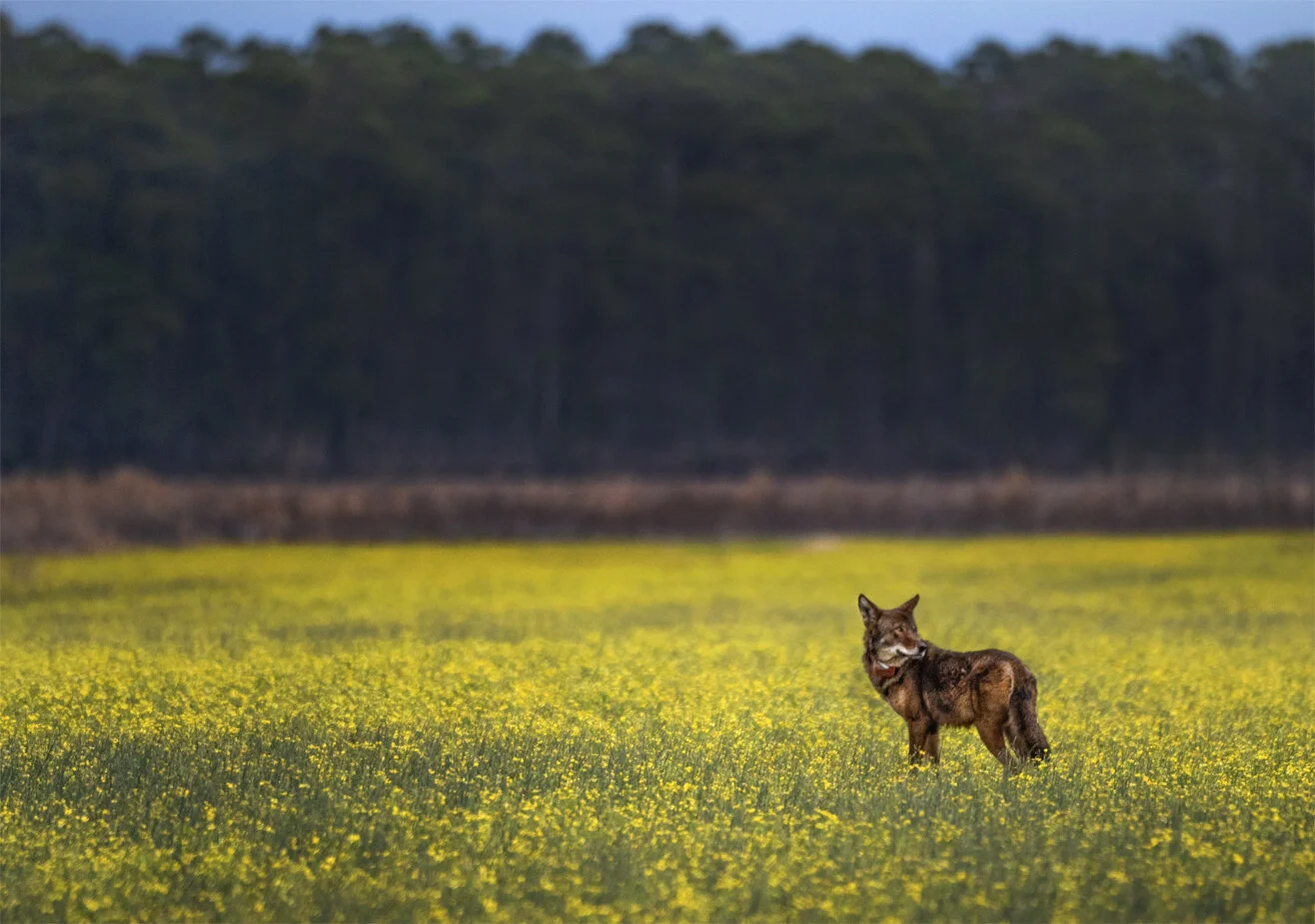
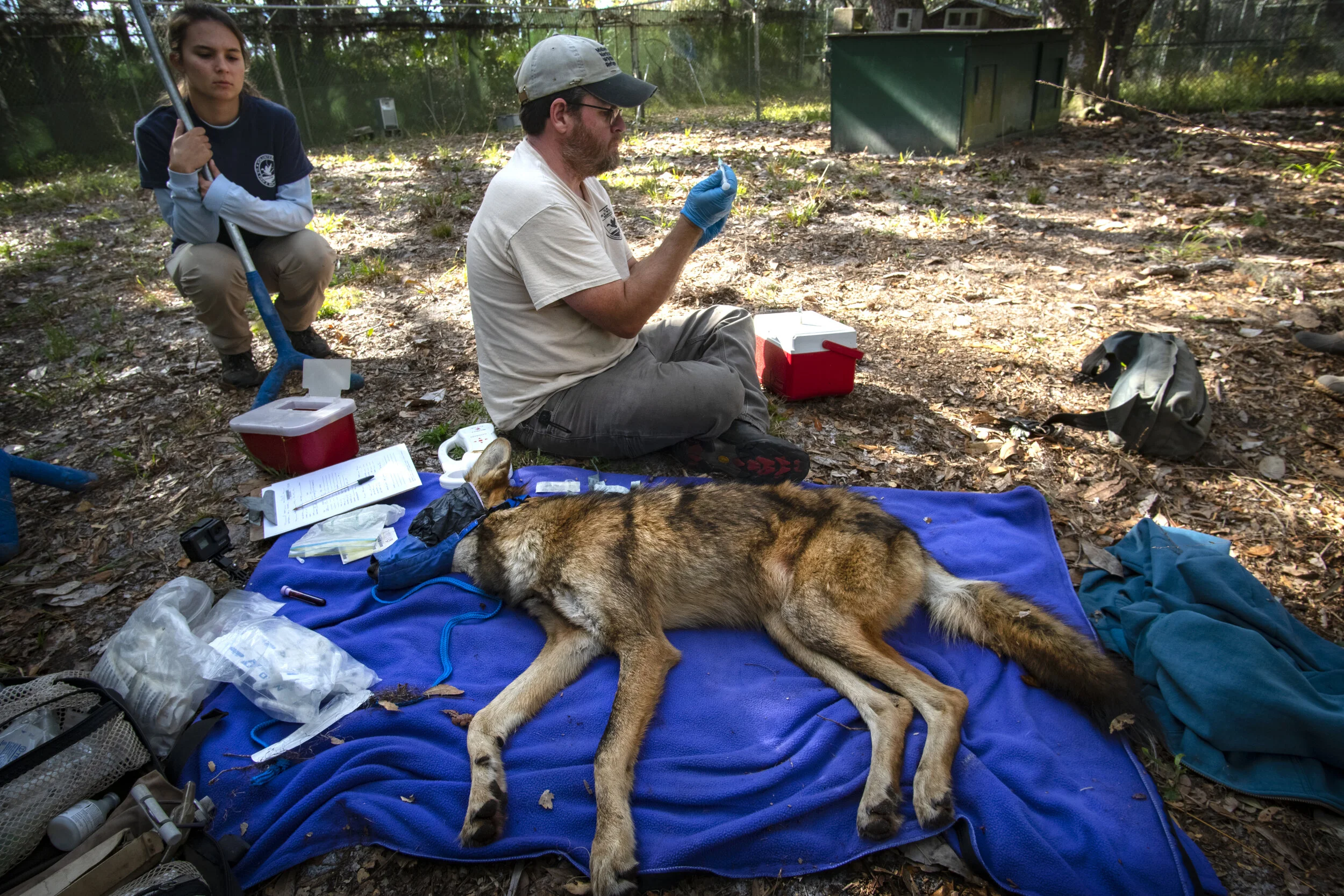
Running Wild Media’s continued coverage of the American red wolf is featured in the October - November issue of the National Wildlife Federation Magazine. The story chronicles the journey of male 2282 who was born at the St Vincent National Wildlife Refuge in Florida and transported to the Alligator National Wildlife Refuge in North Carolina. This move represents the first time in over a decade a new wolf has been released into the wild.
The population of wild red wolves is estimated to be less than 15 and is only found along the East coast of North Carolina.
See the online article here. Photos for this story were provided by Christy Frank and the article was written by Justin Grubb.


Keepers of the Deep
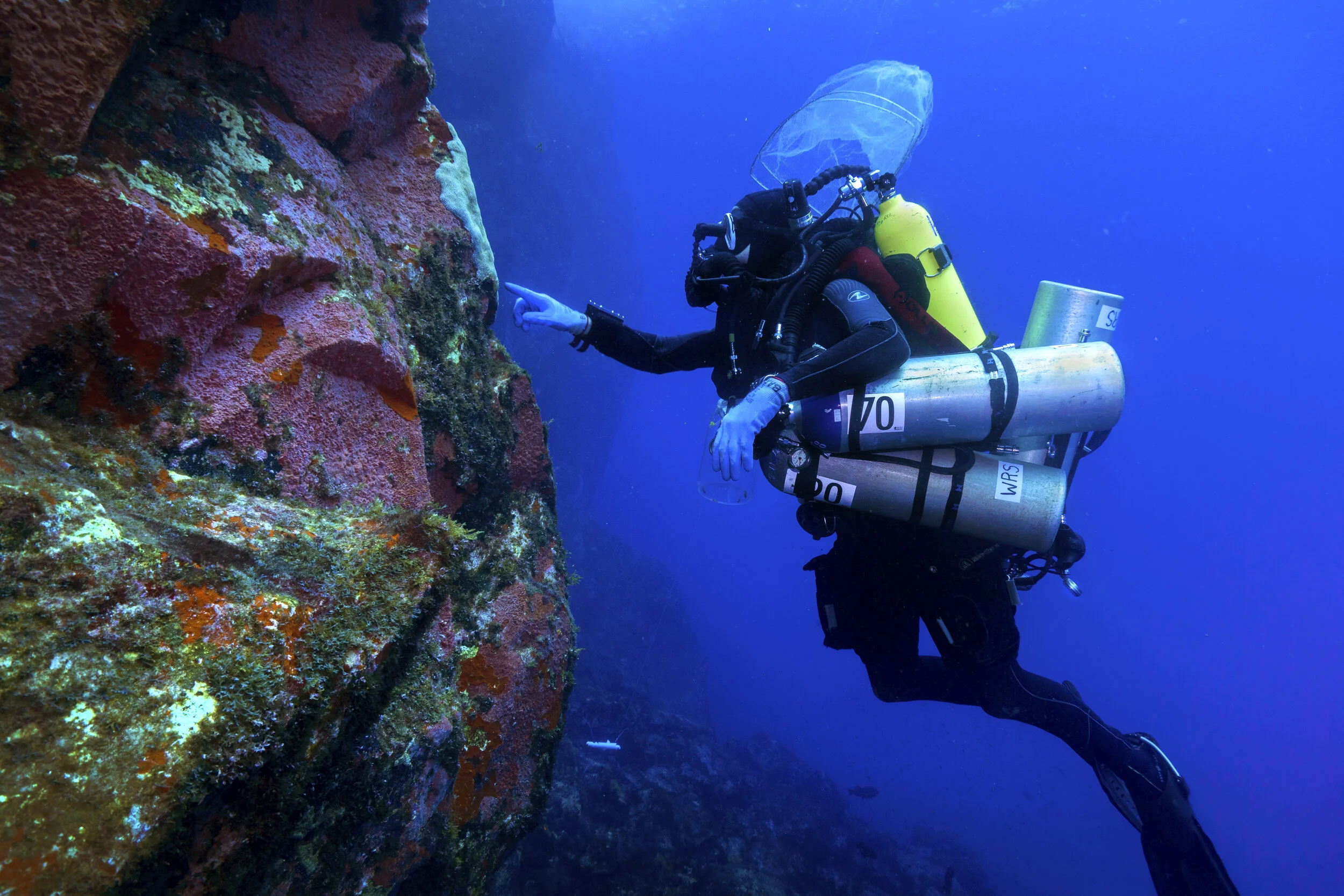
Exploring the depths of the mesophotic reef system, the team at the California Academy of Sciences travels the world in search of new reef species. In their Hope for Reefs initiative, they are hoping their discoveries will help with the ocean’s toughest conservation challenges.
“Keepers of the Deep” as featured in Hakai Magazine
By Justin Grubb and Alex Goetz
Using specialized breathing equipment, a brave team of researchers dives into the ocean’s twilight zone to protect its little-known reefs.
As marine scientist Luiz Rocha and his team of divers descend to depths of around 150 meters below the ocean surface, they enter a unique ecosystem of mesophotic reefs. The team, from the California Academy of Sciences, is one of only two in the world diving to what’s known as the ocean’s twilight zone.
This deepwater region is home to cup corals, peppermint angelfish, harlequin grouper, giant sea fans, benthic ctenophores, and more. But this alien world is in danger of disappearing. The vast majority of marine protected areas (MPAs) stop at the 30-meter depth line, leaving the mesophotic region out in the cold. In some areas—Brazil’s MPA, Fernando de Noronha, for example—75 percent of the shallow reefs are protected, and 100 percent of the deeper reefs are not. And yet, much of the fishery is concentrated in the deeper waters.
So how can we protect these amazing deepwater reefs if they remain largely unknown to most people? That’s the challenge Rocha set for his team with the mission called Hope for Reefs—a global initiative launched in 2016 led by the California Academy of Sciences to research and restore critical coral reef systems in the twilight zone. By bringing attention and awareness to these ecosystems through their photos, videos, and collections of new and undescribed species, they’ve already helped create two marine protected areas, one in Brazil and the other in the Philippines.
Follow Rocha and the team on two technical dive expeditions in 2019 as they descend well beyond the reaches of normal scuba diving in the Marshall Islands and then in Rocha’s home country of Brazil to save these reefs before it’s too late.
Saving Florida’s Rarest Bird
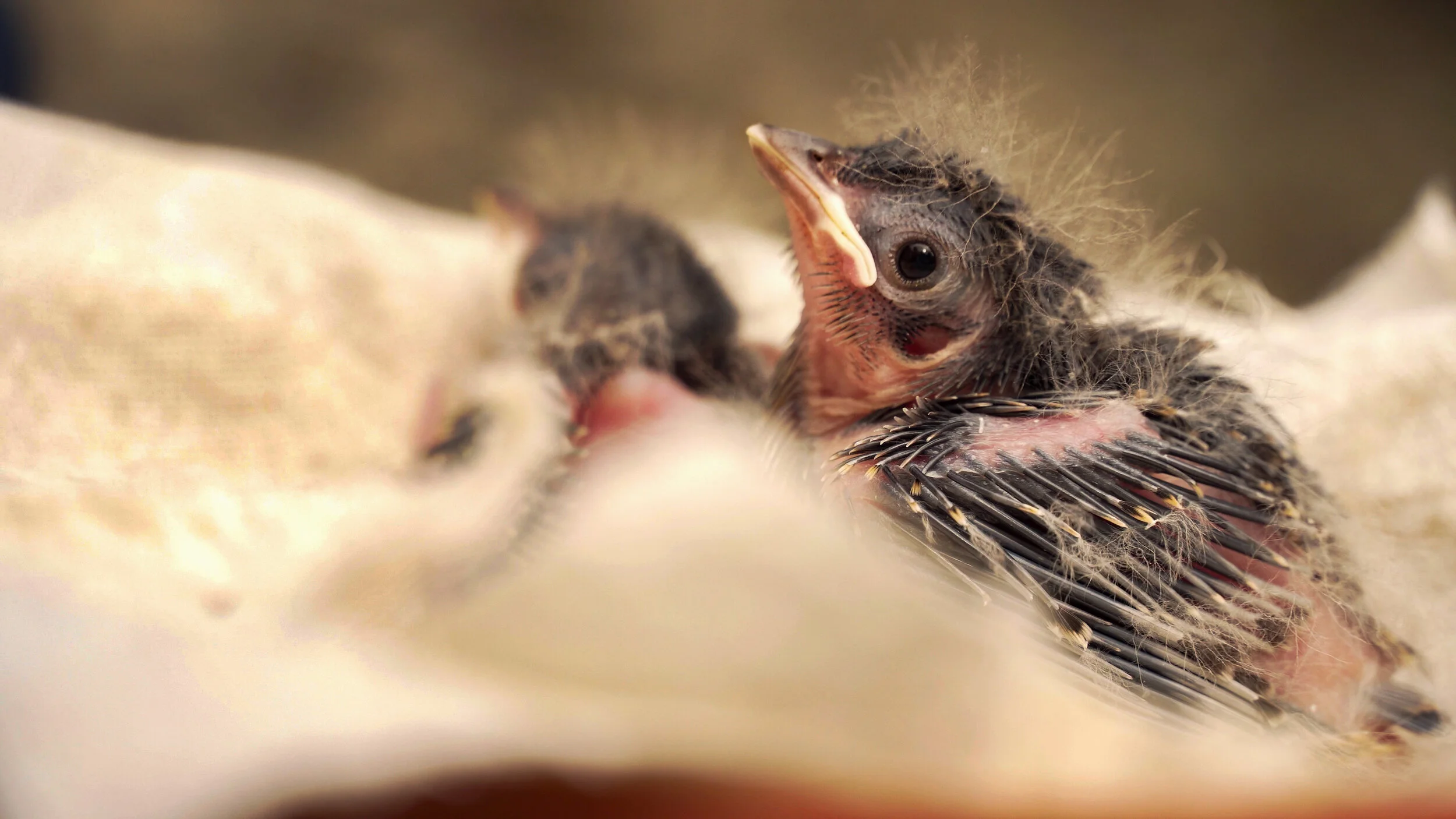
Captive breeding holds promise for the rarest bird in Florida - the Florida Grasshopper Sparrow. Through cutting edge conservation work, a myriad of conservation organizations are coming together to save this species from the brink of extinction.
“Saving Florida’s Rarest Bird” as featured in BirdWatching Magazine
By Justin Grubb
Kissammee, FLorida
‘Instead of finding handfuls of nests in a season, as was the case a few years ago, we are now able to find more than 40 nests in a season. The passion behind everyone involved in this recovery effort has been mind-blowing.’


It is early morning in one of the largest tracts of Florida dry prairie. A chorus of insects fills the dark chilled air, and heavy dew soaks through my pants as I carefully navigate thick underbrush. I make slow and calculated movements. After nearly an hour of hiking through the ecosystem, Rebecca Schneider, sparrow biologist with the Florida Fish and Wildlife Conservation Commission (FWC), abruptly tells me to stop in my tracks. “We are here,” she whispers, glancing down at her GPS. I peer out into the golden prairie, seeing only the gentle waving of grass, welcoming the sunrise.
We are on the search for one of the rarest birds in the world — the Florida Grasshopper Sparrow. It’s an endangered subspecies of the widespread Grasshopper Sparrow found only in central Florida’s dry prairies and pastures.
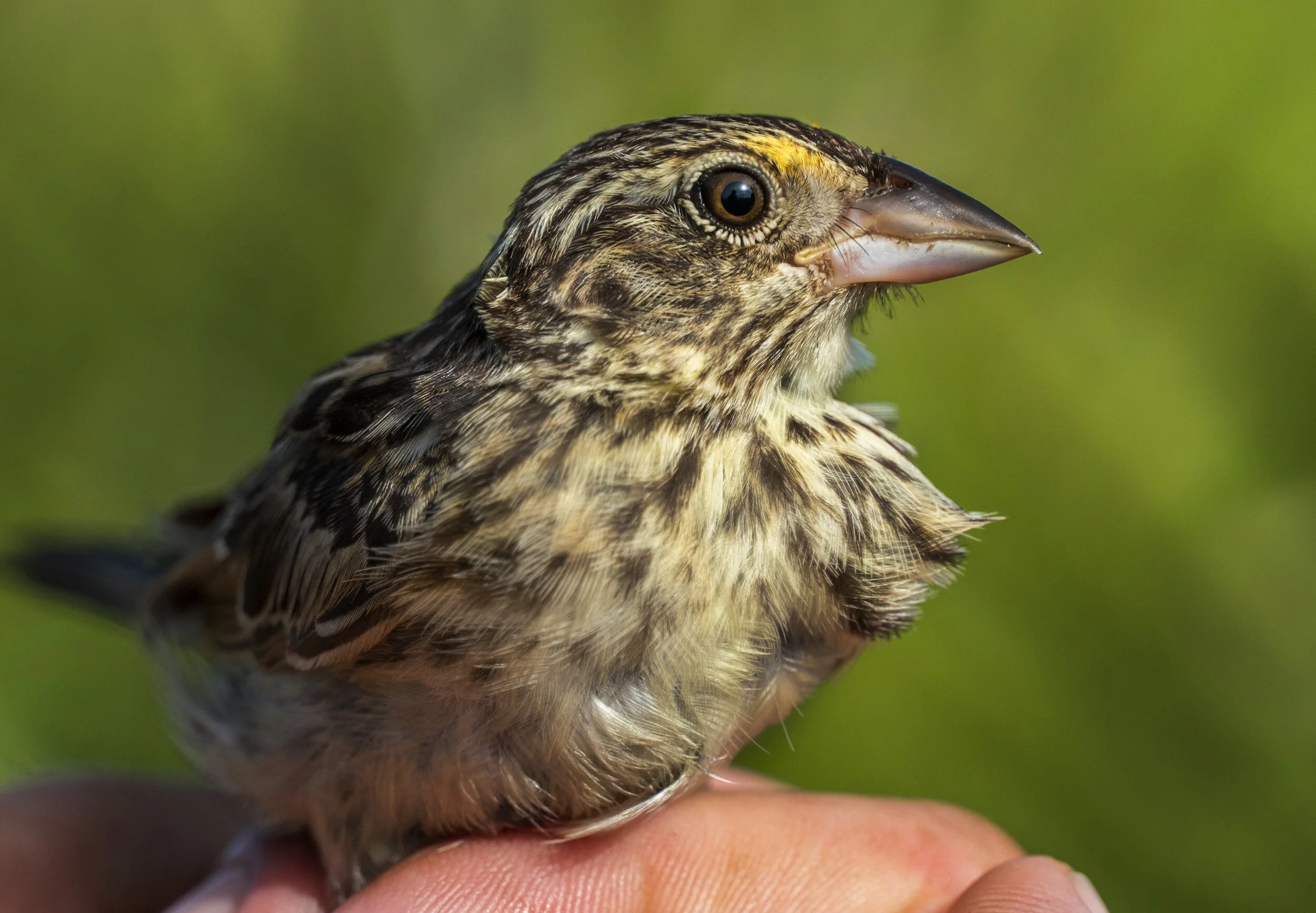
The bird is cryptic, preferring to hop along the ground and hide among dense prairie grasses. Delicate mottled rusty feathers leading to a small yellow brow atop their head make the birds nearly invisible against the backdrop of the wild prairie plants. Experts say that fewer than 30 breeding pairs are left in the wild, all of which live just 50 miles south of Orlando. With such low numbers for the birds, conservationists are stepping in to save Florida’s sparrow.
While watching tufts of tall grasses blow delicately in the wind through my camera’s viewfinder, I hear a distinct tick tick pzzzzzz breaking the soft chorus of crickets. Schneider’s eyes light up. “That’s it!” she exclaims as a small bird rises from the ground and perches on a palm leaf to announce his presence. My heart pounding, I scramble to zoom in on the bird and set my focus. The bird’s soft calling continues — strikingly resembling the noise of a grasshopper — making the sparrow well deserving of its name. This is the behavior of a paired male as he shifts his song to include a cluster of warbling notes, holding on to what territory remains in his shrinking ecosystem.


A DOWNWARD DECLINE
The Florida Grasshopper Sparrow has evolved with the Florida dry prairie and plays a central role in the food web by eating a myriad of insects while also serving as an important food source for predators. “This species represents an important indicator of the health of the habitat, and if it is at risk of extinction, there are likely greater threats to the ecosystem at large that need to be resolved,” says Erin Ragheb, a former assistant research scientist with FWC.
Florida dry prairie was once prevalent across peninsular Florida but has experienced an 85 percent reduction due to expanding human population and agriculture. For decades, the birds were forced to make use of what habitat remained. Less quality habitat means they now suffer from extremely high rates of nest predation from mammals, reptiles, and invasive fire ants.
Wildfire also plays a critical role in the sparrow’s life cycle, and historic suppression of fire has led to drastic changes in its ecosystem. Furthermore, climate change continues to be a looming threat as more frequent and severe tropical storms and hurricanes bring increased rainfall, which often floods ground nests, carrying away eggs or drowning newly hatched birds. “Rainfall could result in greater chances for nest failure,” says Ken Warren of the U.S. Fish and Wildlife Service, “and could shorten the nesting season by prolonging the amount of time that the nesting habitat is flooded.”
As if the odds weren’t already stacked against the Florida Grasshopper Sparrow, its rapid decline also suggests that an unidentified disease could have been wreaking havoc in the population for decades.
BUMPS AND BRUISES
As the population plummeted, the need to save the bird and protect its ecosystem sparked a cutting-edge conservation initiative in 2012, bringing together leading institutions from around the state. Through a multi-pronged effort, the plan was for conservation organizations to develop breeding populations in managed care for release back into the wild, all the while restoring Florida’s dry prairie and reducing other ongoing threats to the species.
In 2015, wild birds were brought into managed care, and the following spring, the Rare Species Conservatory Foundation in Palm Beach County was home to the first clutch ever hatched in captivity. “The babies were perfect, they fledged on cue and looked great. There was real reason for optimism,” says Paul Reillo, the foundation’s president and the director and research professor at Florida International University’s Tropical Conservation Institute. “Then, within 40 to 50 days, the birds just fell over dead.” Similar reports came in from White Oak Conservation in Nassau County, which also held breeding pairs.
An intense effort got underway to identify the root cause of the mysterious deaths. After months of study and many blood smears, necropsies, and DNA tests, the University of Georgia described a new species of coccidia — a gut parasite that can also invade blood-rich tissues and organs — as the leading culprit of mortality. The parasite was likely brought into captivity from the wild-caught sparrows that jump-started the breeding program.
In response, leaders of the recovery project hosted a disease risk assessment workshop that culminated in the development of the Florida Grasshopper Sparrow Health Team. The team’s experts didn’t reach an overall consensus on the risks of disease. Reillo and others said the risks were too significant to release more birds until further research was conducted, but the U.S. Fish and Wildlife Service and FWC disagreed, saying the risk of releasing captive-reared sparrows to the wild population was acceptably low. This was based on the recommendations from a disease-risk analysis workshop, literature review, and consultation with scientists. Confirmation that the pathogens also occurred in the wild was particularly informative to the decision. New husbandry, nutrition, and medication protocols were established, as well as pre-release screening protocols.
Due to disagreements over the recovery strategy, in 2019, FWS ended the captive-breeding efforts at the Rare Species Conservatory Foundation.
LAYING THE GROUNDWORK
Currently, sparrows are located at White Oak Conservation; Avian Preservation and Education Conservancy; Welaka Fish Hatchery; Santa Fe College Teaching Zoo; and Brevard Zoo. White Oak has the largest population of captive sparrows — 77 birds in massive netted enclosures meant to replicate their natural habitat and to spread out individuals to avoid future outbreaks of disease.
Giving them the freedom to forage for food and practice their survival strategies is crucial for when facilities release the birds back into the wild. Andrew Schumann, animal collections manager at White Oak Conservation, and his team work around the clock to encourage sparrows to produce lots of hatchlings.
In the field, federal and state agencies work together to ensure that Florida’s dry prairie habitat can accommodate more sparrows. A strict one- to two-year prescribed burning cycle has been established, and roller chopping has been implemented in some sections of the prairie to discourage the overgrowth of saw palmetto, a lush green fan-like plant that can take over sparrow habitat. In addition, FWC biologists spend hours during the day setting up fencing around known sparrow nests to protect them from predation. In some cases, scientists install field cameras so they can monitor the progression of nests. Following the agency's five-year vision for the birds, biologists are also conducting research to reverse the sparrows’ decline.
In areas where private ranchland borders the prairie, federal agencies work closely with landowners. “The [U.S. Fish and Wildlife] Service receives a lot of support from private ranches,” says Ashleigh Blackford, supervisory biologist for Florida Grasshopper Sparrow Recovery Effort with FWS. “This species is unique, in some respects, because it has been able to survive on both protected and working land. Some ranchers are interested in having native species on their land.”
Cattle rancher David “Lefty” Durando, whose ranch borders one of the last remaining sparrow habitats, wants to leave his land better than he found it so his grandkids can hear the sparrows’ soft buzz. Durando believes that cattle ranching and sparrow conservation can work together. “It was here before us,” he says, “It has just as much right to be there as I do. Why should it be killed off?”


A SPARROW’S FUTURE
Last year, 2019, was a big one for the Florida Grasshopper Sparrow. It represents the first time the subspecies has ever been released back into the wild. Between May 2019 and February 2020, more than 130 recently hatched sparrows were set free, 15 of which were hatched in 2018. The birds were introduced by a technique called “delayed release,” which allows them to acclimate briefly to their new habitat.
Each individual spent two nights in a giant aviary built within the Florida dry prairie. On the morning of their last day, they ate a continental breakfast right before the doors opened, allowing the birds to leave on their own. Some birds took off with another parting gift, a small tracker affixed to their backs that will aid researchers in following the birds’ dispersal and survival. Otherwise, biologists must wait for a paired male to come out and sing. Then they identify permanent color bands on the bird’s leg, giving researchers valuable information such as where the bird was born and how old it is.
“The overarching mantra is to minimize stress and maximize survivorship and success of the birds in the wild,” says Mary Peterson, the lead biologist on the project for FWS.
This year, researchers express optimism about the sparrow’s recovery.
“The preliminary results of the first releases are coming back, and even though there is little data, the numbers look promising,” says Blackford. So far, 77 males have been detected near sites currently being monitored, up 10 from last year. There are now at least 30 confirmed pairs. Biologists expect the numbers to grow as monitoring efforts continue through the season. As of June 2020, more than a quarter of the birds released in 2019 have been re-sighted — far exceeding the program’s expectations.
Biologists anticipate that many of the individuals released will be pairing up and beginning to breed over the course of the summer. Peterson says, “It is crazy how much we have learned about the birds and how much the program has evolved in the recovery of the bird. Biologists are beginning to truly understand the bird’s behavior, and, as a result, instead of finding handfuls of nests in a season, as was the case a few years ago, we are now able to find more than 40 nests in a season. The passion behind everyone involved in this recovery effort has been mind-blowing.”
She adds that, between the breeding facilities, 100 to 200 more birds can be released this year, and even more birds should be ready for release next year.
Reillo, from the Rare Species Conservatory Foundation, cautions against celebrating too quickly, as many variables are not well understood about the Florida Grasshopper Sparrow. “These birds live incredibly complex little lives,” he says.
Looking forward, Schumann, from White Oak Conservation, believes much needs to be learned from the recovery effort. “If we bring back the Florida Grasshopper Sparrow from the edge of extinction,” he says, “it would be a great model for other habitat specialist songbirds going extinct as well.”
Conservation through Community
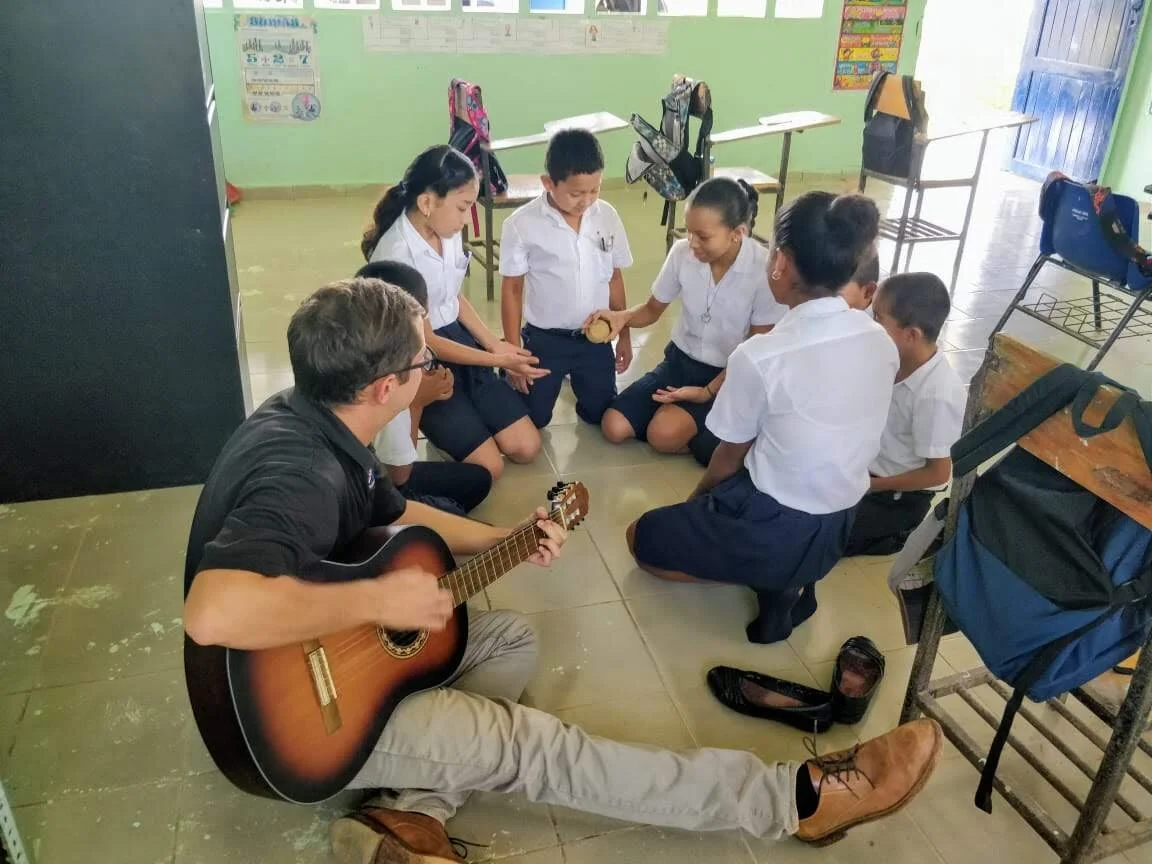
Conservation is much more than studying wildlife and protecting the ecosystem. It is about community. Read about one of Running Wild Media’s contributors and his journey working with mountainous communities in Panama to help conserve valuable rainforest habitat.
Post by Cameron Starrett
Herrera, Panama
The first night into my Peace Corps service, I was greeted by two, shoe-sized scorpions that had found their way into my bedroom. I scrambled to my feet, unsure of what to do, ran outside on the porch where my host family was relaxing in the fresh air. I asked in broken Spanish, how I would catch them to take them outside. Everybody erupted with laughter as my host father grabbed a kitchen knife, walked right into my room and cut them both in half. Holding their limp bodies in his hand he gestured to the pair of scorpions and jokingly offered them to me as a snack… I was not in Kansas anymore.

Inside Cameron’s house in Panama.
I began this journey to join the Peace Corps because I live to challenge myself. I knew it would be hard, and I wanted to push myself in something I felt was extremely worthwhile. The world was starting the cultural shift that we are now seeing come into fruition and I wanted to be a part of the opposition. I joined because I could clearly see that the world around me was rapidly changing. The ice caps are melting, the birds and the bees are becoming harder to find, and the trees are disappearing. I felt like I had to do something big, to become a part of the solution and to hopefully, make the world a better place for someone in need. I set out on my two year journey expecting to have an adventure of a lifetime full of community service and making the world a better place. But what I didn’t know was that I was going to go through two years of feeling every single human emotion possible. Overwhelming support from my community, vulnerability that comes from learning a language aurally, and, most of all, loneliness from the isolation that my site brought.
For the first three months of my two year assignment, I spent most of my day just getting to know the small mountainous community in the small province of Herrera, Panama. My days were full of organizing community events, co-teaching in local schools, and getting laughed at for repeatedly slipping in mud. My house was entirely made out of sheet metal and wooden planks allowing for the wind, rain and critters to come howling through into my room. My water access was infrequent and dependent upon whether or not a cow broke the single PVC pipe that provides two hours worth of water a day for everyone in the town.


The tropical areas of the Americas were once lush with thick jungles and mangrove forests. However, once European settlers arrived, those jungles were cut down to make room for cash crops like coffee and fruit while the mangroves were removed to create easy access to the beaches. Panama, being a land bridge between continents, serves as an important highway for all sorts of migratory birds making their way from North America to South America for the winter. When I had arrived, the environment around my village was almost a desert from deforestation caused by the growing cattle industry. The local people are all sustenance farmers and day laborers and a few owned cows that they raised to sell for meat. Clearing the land for cattle is a self-degrading system because when trees are removed to be replaced with cow grass, there is no water retention for the dry season and the topsoil erodes during the rainy season. This not only reduces important ecosystem services essential to the village but ultimately results in less food for the cows. So after those first three months, I was ready to make my case. So, with broken spanish, I led my first community meeting focused on sustainability. That meeting finished with a vote which grew into an eco-stove project.
An eco-stove is a wood-burning stove that is made with locally sourced bricks and insulated with ash. These stoves would replace the current method of cooking which is placing a pot atop three rocks and an open flame. These stoves more efficiently generate heat than traditional methods and require less fuel for cooking. This means the surrounding forest would be given a much needed break. The trees of Panama were under attack on two fronts; the clearing of land for cattle grazing and the local population cutting trees down for cooking fuel. Eco-stoves use an insulated burning chamber that cuts cooking time, wood consumption and smoke inhalation by up to 70%. This is good news for the trees but also the women of my community. They cook three meals a day for their families and the stoves really make their lives better from the decreased risk of injury and smoke exposure. I was able to fund this project through the generosity of donors back in the US as well as contributions and labor from the stove recipients. My project was for 14 stoves which served almost 20 families. The Ministry of Environment has been building these stoves all over the country and in Herrera alone, there are over 4,000.
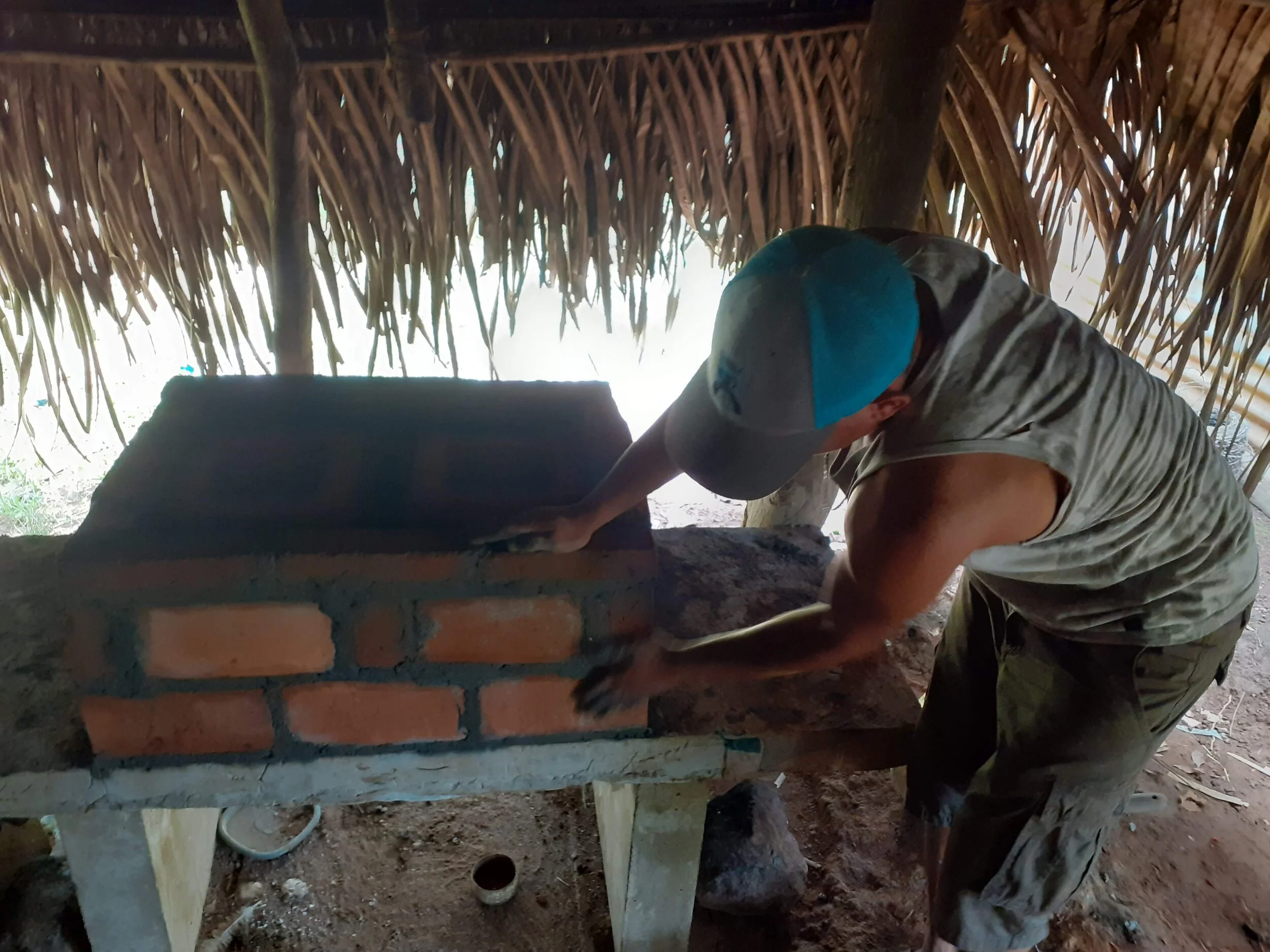


Eco-stove photos by Eli Wittum
One of the greatest lessons from my experience is that people at the community level can take ownership for their environments. There are things each of us can be doing to make our surroundings healthier and, frankly, more profitable for future generations. It could be as simple as cleaning up after yourself while visiting natural areas but also being conscious of what you’re buying. Every time we swipe our debit cards, we cast a vote. We can vote for the conservation of our environment and for the treatment of animals with how we spend our money. It’s the most well-proven thesis in America, when the public reflects a demand, the supply will respond.
In the middle of March 2020, I, along with 7,300 other Peace Corps Volunteers were evacuated because of the risks associated with COVID-19. I left behind a vast majority of my belongings, dirty dishes, two unfinished eco-stoves and weeks worth of goodbyes for my community members who were my entire world for two years. While I am unsure when I will return, I am certain that the stoves will be completed, I did something to help them, and they helped me far more than they could ever imagine.


Cameron served in both the Peace Corps and AmeriCorps NCCC’s FEMA Corps program. In the Peace Corps, Cameron was sent to Panama for two years to serve as a Community Environmental Conservation Volunteer, engaging community members in appropriate technology and youth development projects. As a FEMA Corps Team Leader, Cameron led a group of volunteers in the response to Hurricane Harvey and California’s North Bay Fires of 2017. Cameron holds a bachelor’s degree in Environmental Policy and Analysis from Bowling Green State University. In 2017, Cameron was awarded the Presidential Volunteer Service Award as well as the Congressional Service Award. He is now living in California and working as an emergency manager.” Instagtram: @whoscamstarrett
"For the Love of Reefs"
The California Academy of Sciences is on a mission to save the world’s coral reefs. In an initiative called “Hope for Reefs,” their scientific dive team explores new meso-photoc reef zones for their protection. Director/Partner of Running Wild Media: Justin Grubb met up with the team in Fernando de Noronha, Brazil.
“For the Love of Reefs” as featured in Oceanographic Magazine
By Justin Grubb
Fernando de Noronha, Brazil
“It's a little bit depressing at times when we get to a place and we see the ecosystem that we love and grew up with dying in front of our very eyes, but for the most part, this has been very rewarding.”

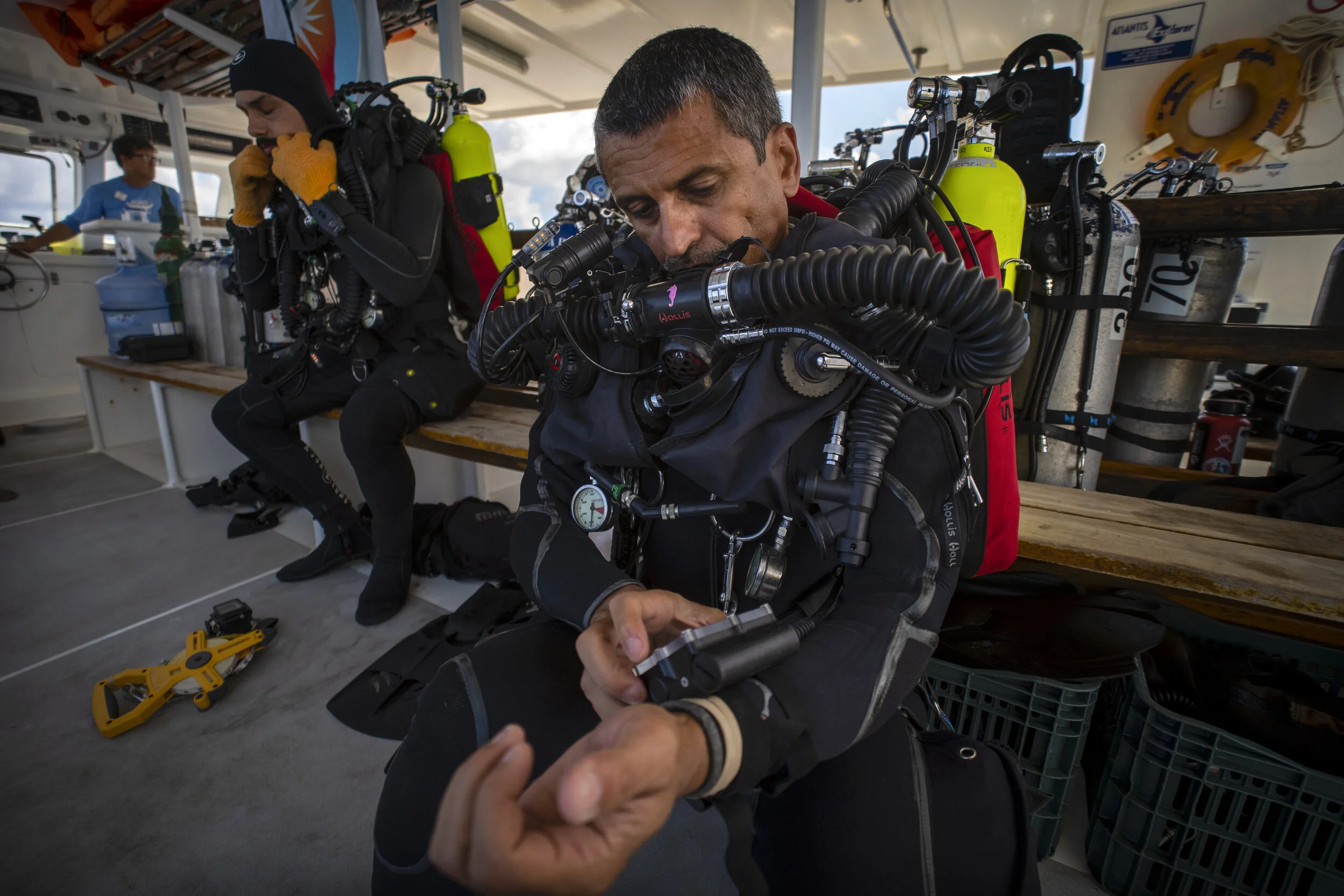

Our research vessel rocked back and forth in moody seas off the coast of Fernando de Noronha - a volcanic island nearly three hundred miles east of Brazil. The view from our starboard side included the expansive Atlantic Ocean, which contrasted with the crashing waves and hundred-foot cliffs on our port side. Below us, were hundreds of feet of open ocean. The hisses of regulators and clunking of tanks dominated the soundscape as the team prepared their gear for the long dive ahead.
The expedition was undertaken in pursuit of a larger mission to reverse the trend of extinction for reefs all over the world. An initiative called “Hope for Reefs” is the driving force behind this mission. It’s led by the California Academy of Sciences - a research institute and natural history museum in San Francisco, California. With nearly 75 percent of the world’s reefs threatened by overfishing, habitat destruction, water pollution and climate change, the academy sends teams of scientists out to descend to unexplored depths of the ocean to learn what it takes to save this valuable habitat.
With every expedition, the team of six travels to some of the world’s most remarkable reefs and Fernando de Noronha is no exception. With its picturesque clear blue water, white sandy beaches and stunning topography, this island not only serves as a destination for tourists but a haven for ocean life. The biggest industry on the island is scuba diving as visitors flock from around the world to get up close to the wildlife that has benefited from the protection of the Fernando de Noronha National Marine Park, established in 1988. The park, however, mostly encompasses shallow reefs, only affording protection for smaller fish species and animals that wander into its waters.


Beyond these shallows, lies a completely different and unprotected ecosystem called the mesophotic reef. This habitat is from 100 to 500 feet in depth and contains unique coral and fish species that are as vulnerable to exploitation as shallow-reef marine life. Throughout the world, these deeper reefs are often ignored when establishing new protected areas because they are not seen as being as vulnerable. The California Academy of Sciences visited Fernando de Noronha with help and funding of Fundação Grupo Boticário to study its deep reefs and to collect data that they hope can be used to expand the marine protected area with the help of the Brazilian government. The local government has taken great strides in conservation practices by limiting the number of tourists on the island, banning the importation of plastic by visitors and by applying a hefty daily visitation fee to support continued environmental protection.
As the voice of the dive safety officer carried the team through their pre-dive checklist, Luiz Rocha, Associate Curator and Follett Chair of Ichthyology at the California Academy of Sciences, lifted his head and pointed to a small fishing boat between us and the towering cliffs. “See that?’ he said to me, nodding with his head. “That boat is fishing in protected waters; we are on the edge of the reserve right now.” A quick radio call to the proper authorities followed, but the team remained focused on the dive.
Luiz is a Brazilian native and grew up along the coast where he explored the sea as a kid. There, he had an extensive collection of live marine organisms in aquariums where he replicated their ecosystems to study their husbandry. This is where Luiz found his love for the ocean, and as time went on, his drive to protect it. “It is a little bit depressing at times when we get to a place and we see the ecosystem that we love and grew up with dying in front of our very eyes, but for the most part, this has been very rewarding.” Luiz made this remark as he reflected on being back in Brazil to conduct this valuable research and on what the team had accomplished thus far. Through the Hope for Reefs initiative, Luiz and his team have been on more than 16 expeditions since 2016 and have discovered a handful of new species that aid in developing new conservation strategies.
On the boat, Luiz pushed his weight off the front of the bench, dipping his body down to slip on his rebreather that is decorated in sea animal stickers. He then lifted the whole system over his head and sat up as the rebreather fell into place. As he completed this maneuver, the team, one by one, dove off the boat and slowly disappeared into the dark blue water below.
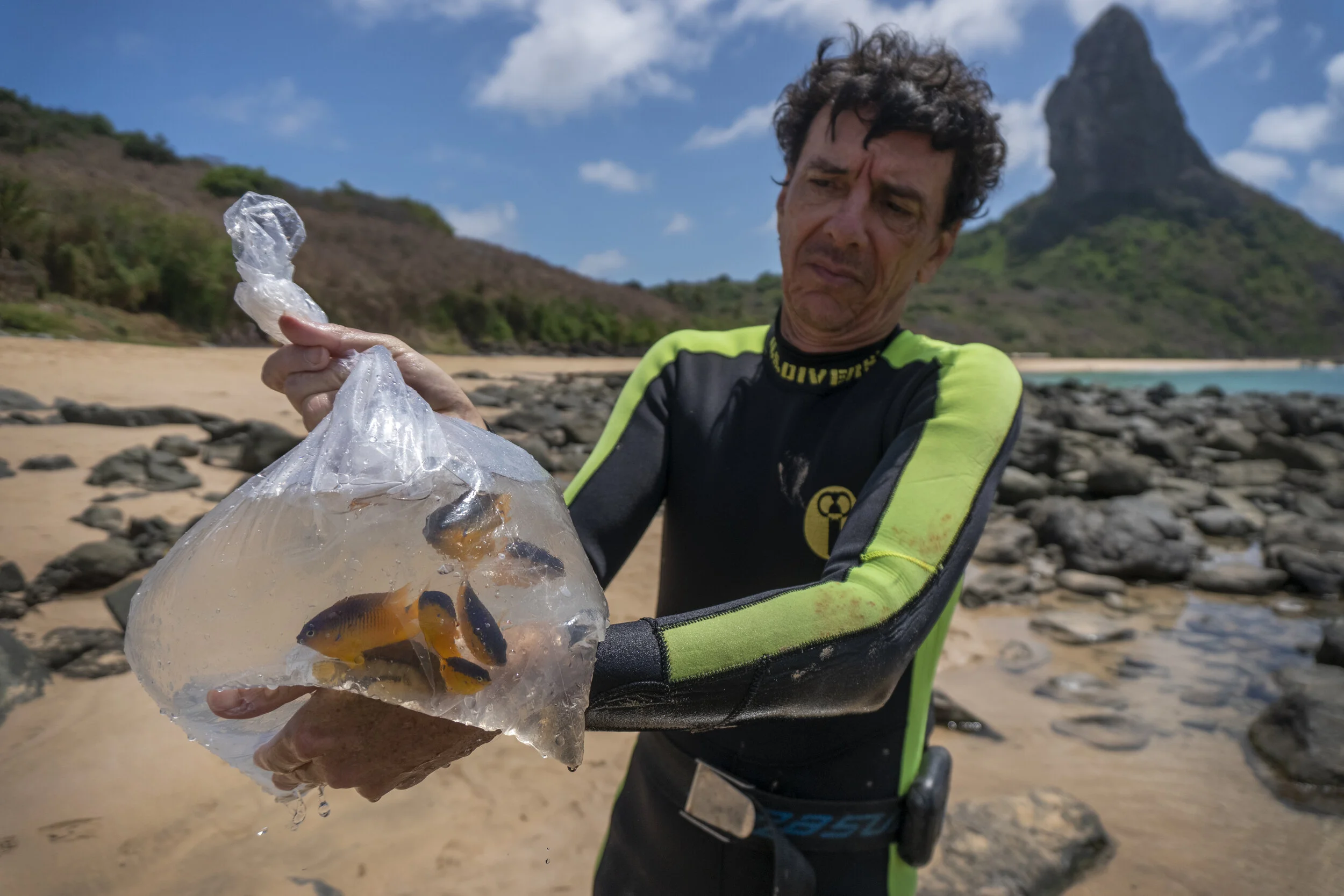
My role in this expedition was to document the scientific undertaking in Fernando de Noronha and highlight the work of the California Academy of Sciences. As a wildlife filmmaker with a background in marine biology, I found this particular expedition to be exciting. Three hours into the dive, it was my turn to jump in and join the team. As I followed their surface marker buoy line down, I could see everyone hard at work laying out transects and collecting fish. As we explored the vertical volcanic walls, an incredible diversity of ocean life surrounded us. Large schools of pelagic fish swam by to check us out as smaller gobies and damsels darted into the cracks and crevices, wary of our approach. Sharks, octopus, turtles, and eels regularly accompanied us on our dive. As we wrapped up this mission and broke the surface, the team finally began to show their excitement about what had been collected during the dive. Bart Shepherd, Director of the Steinhart Aquarium in San Francisco, presented me with a small container of fish. The team believed the fish within were a new species that could aid in laying the groundwork for extending the Fernando De Noronha National Marine Park. In high spirits, we motored back to shore.


To learn more about what a potential expansion of the marine park might mean for the region, I met with one of many local fishermen. Fishing is the second largest industry on the island. The fisherman I talked to was friendly to the efforts of the Hope for Reefs initiative as he himself provided support for the research team throughout the expedition. He stood by the decisions of local environmental authorities to restrict the use of harmful fishing methods such as using gill nets and long lines. However, he raised some concerns about expanding the marine park. He fears, by extending the marine park even further, fishermen will have trouble making ends meet. The fishing restrictions put into place already cause greater competition among fishermen. In addition, when the weather is poor on the open-fishing side of the island, fishermen lose a day of productivity as they are unable to maneuver to the other side of the island and fish due to its protection status. For now, fishermen and environmental authority relationships remain peaceful and collaborative.
To get an idea of how local government authorities balance the delicate intricacies of conservation, community and economy, I met with the main environmental authority on the island to conduct a quick interview. This individual has been instrumental in allowing the research expedition to occur and has been very supportive of our efforts. Standing on a crowded road along the busy harbor, I went over the questions I was hoping to ask him and the conditions that would allow me to film. After agreeing to appear on camera, he then changed his mind and wished to do an audio interview only. This way, he felt more comfortable answering my questions. As I prepared my equipment, some heavy discussion broke out amongst him and his group and ten minutes later, he decided not to go through with the interview. He described his fear of severe retaliation by the government of Brazil for voicing his opinions on the importance of conservation. Recently, the government has backtracked on environmental protection policies and refuses to acknowledge climate change as a global threat as evidenced by the recent fires in the Amazon rainforest.
Despite the overwhelming challenges, Luiz and his team remain optimistic and believe there is a bright future ahead for our oceans. “There is a lot of hope,” he said as he referenced an earlier expedition to the Marshall Islands. “Bikini Atoll was literally nuked 50 years ago, but today supports a great population of healthy fish and corals due to their protection. All you need to do is leave it alone and it will recover.”
There is still a year of expeditions planned for the current phase of the Hope for Reefs initiative. After Brazil, the team heads to the Indian Ocean to explore the Maldives. Luiz’s face lit up as he described his next trip. “The Indian Ocean is a place we have always wanted to explore because everywhere we go is unexplored from a scientific perspective.” In this new frontier, the goals are similar: explore deep reefs and describe new species that can aid in the development of new conservation management strategies. Luiz feels that the Hope for Reefs initiative has been very successful and looks forward to continuing his work in exploring and protecting the ocean. To learn more about the Hope for Reefs Initiative and to see past expedition results, visit www.calacademy.org/major-initiatives/hope-for-reefs.
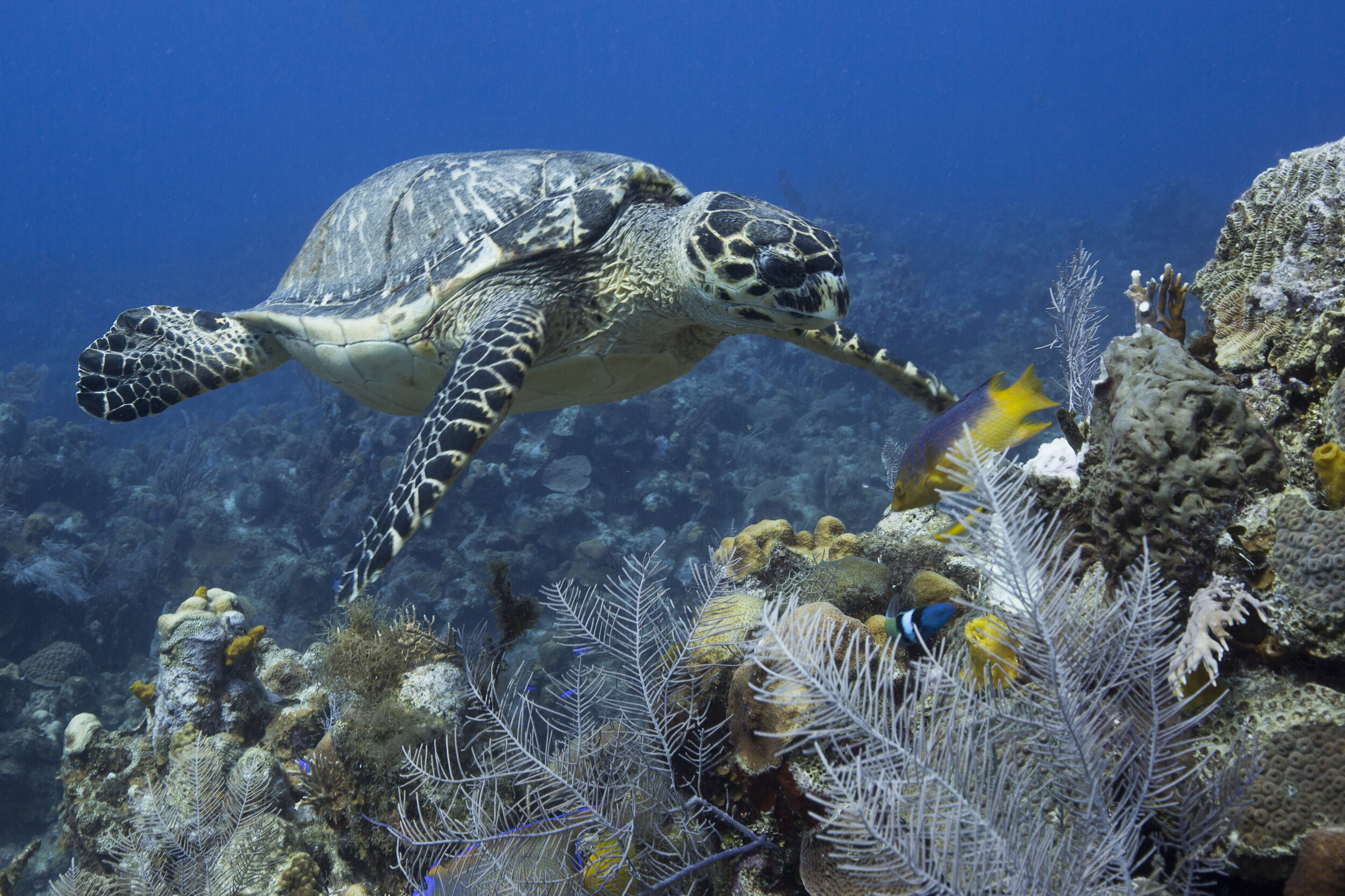
Trade in sea turtle products is banned, but they’re still sold in Japan
Japanese demand for tortoiseshell is driving critically endangered - and protected - hawksbill sea turtles to extinction. In addition, stuffed turtles sold as curios line tourist shops in the streets of Japan and, while illegal elsewhere around the world, still remain legal.
By Justin Grubb. As featured in National Geographic
ENOSHIMA, JAPAN - It all began long ago with a pair of eyeglasses.
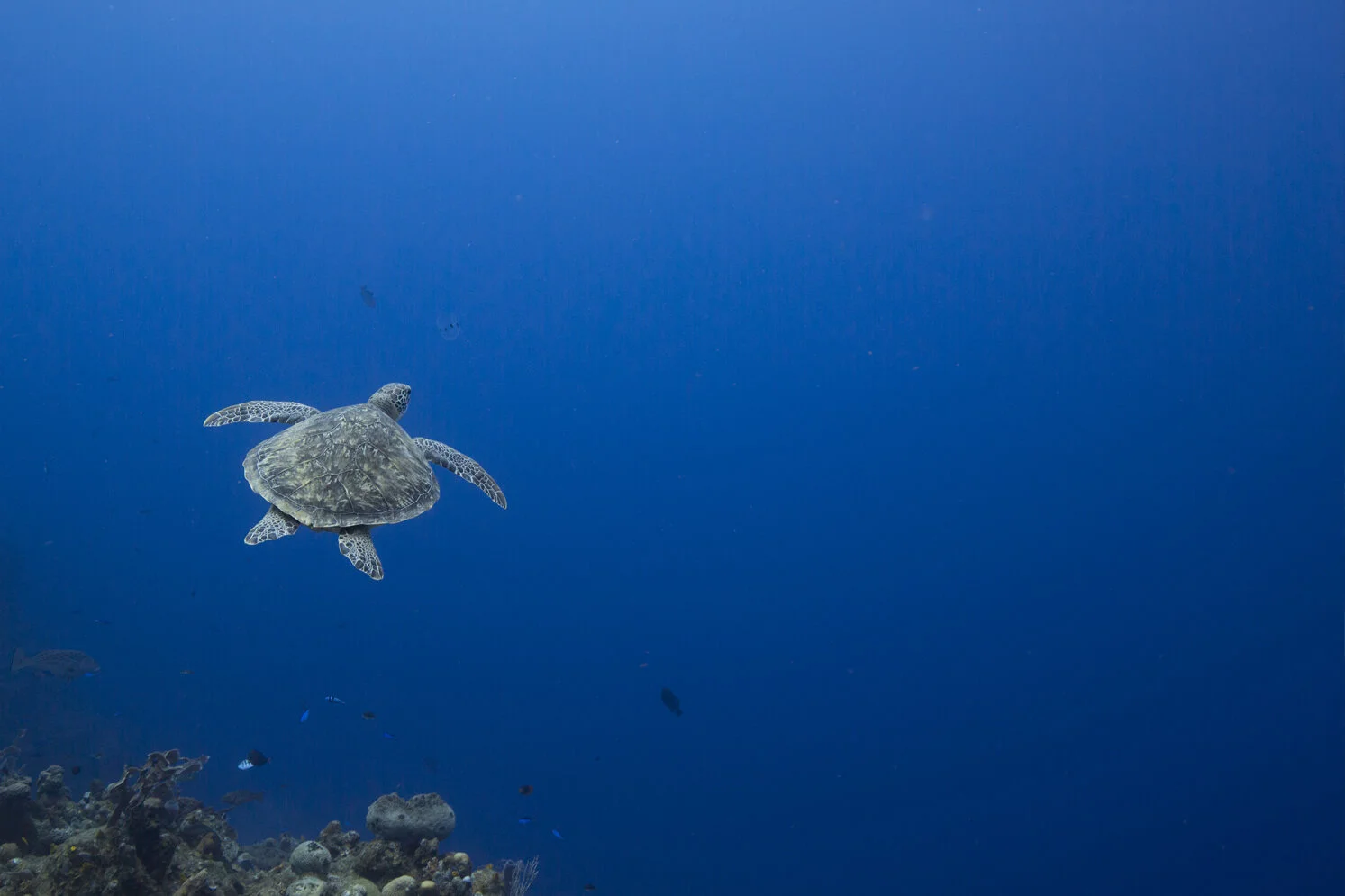
Tokugawa Ieyasu, who ruled Japan in the early 1600s, acquired a new pair for himself with frames delicately crafted from the carapace of a hawksbill sea turtle. Soon everyone wanted tortoiseshell—bekko, with its pleasing hues of browns, oranges, and whites—and Japanese artisans were fashioning everything from combs and cigarette boxes to all kinds of trinkets.
The fad spread to Europe and the Americas. By the mid-1800s, the trade was roaring, and Japan was regarded as having the finest bekko artisans in the world. As the trade burgeoned, wild populations of hawksbill sea turtles plummeted, and they were listed as critically endangered by the International Union for Conservation of Nature in 2008.
Between 1844 and 1992, more than nine million were killed, in large part for the tortoiseshell trade, according to a recent study. Hawksbill numbers have continued to plummet, to fewer than 25,000 as of this year. Other than the bekko trade, the main threats to hawksbills are bycatch; loss of nesting habitat; and water pollution, which causes death from accidental ingestion of plastic and other human trash. (Read how sea turtles are surviving despite us in the October issue of National Geographic.)
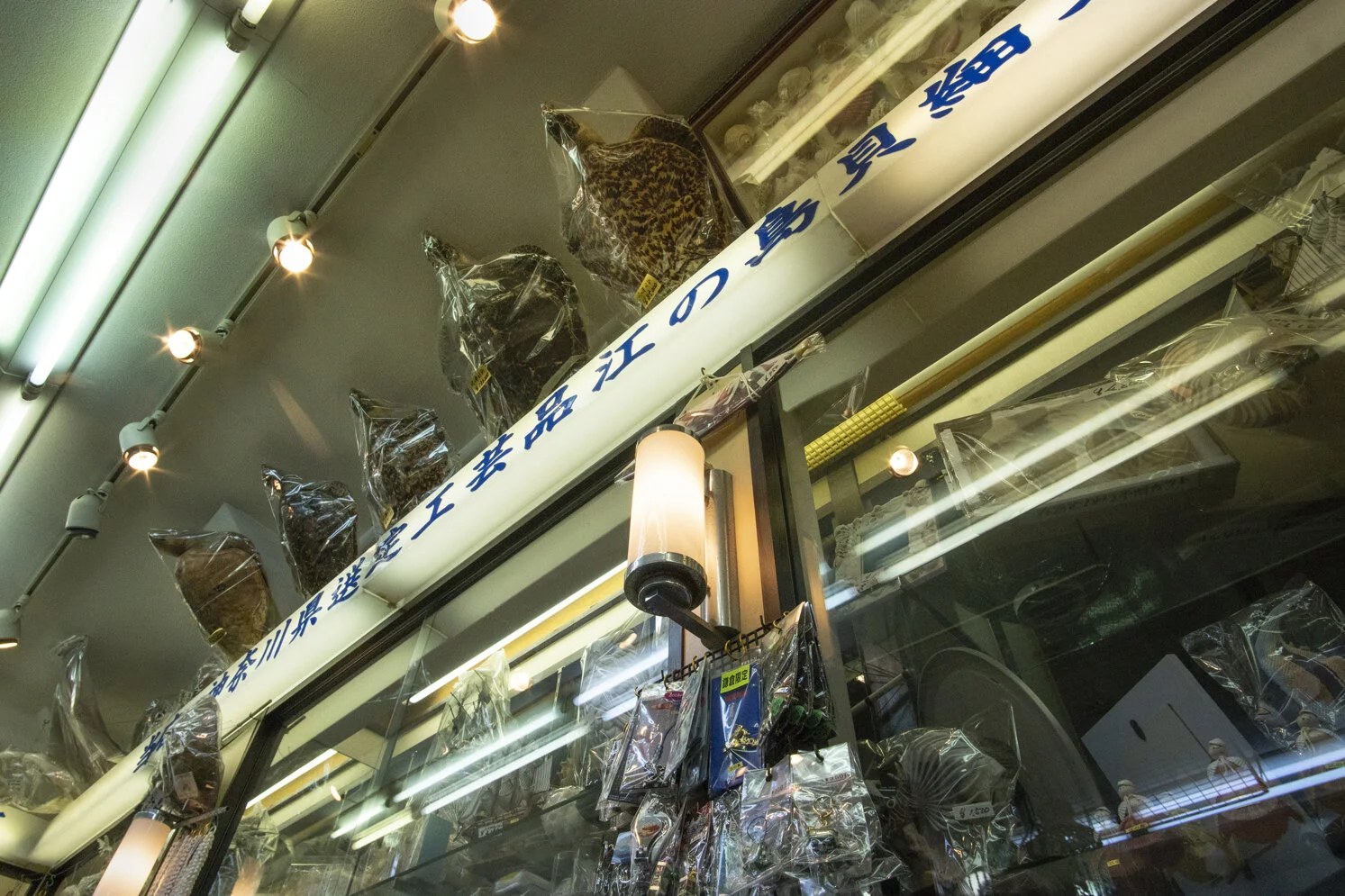
And yet in the small fishing village of Enoshima, 30 miles south of Tokyo, and other towns and cities along the coast, taxidermied sea turtles and finely carved tortoiseshell jewelry are displayed prominently in souvenir shop windows.
Every year, thousands of tourists flock here to visit colorful shrines and to peruse the gift shops. Many buyers, perhaps nearly all of these visitors, are unaware of the dire situation facing these animals—and how crucial the reptiles are to the ocean ecosystem.
Found throughout the tropics, hawksbill sea turtles feed mainly on sponges that compete with coral species for growing space. Their absence undermines coral reefs, which hold more than 25 percent of known sea life and likely contributes more than 375 billion dollars annually to the world economy, according to the U.S. National Oceanic and Atmospheric Association.


Steady demand
In 1977, international commercial trade in hawksbills and their parts was banned by the Convention on International Trade in Endangered Species of Wild Fauna and Flora (CITES), the body that regulates cross-border trade in wildlife.
In 1980, when Japan signed onto CITES, it took a formal reservation from hawksbill sea turtle trade regulations to preserve its thriving bekko industry. That meant the country could continue to import hawksbills and remain in good standing with CITES.
In 1994, international pressure finally forced Japan to withdraw its reservation. Hawksbill imports immediately spiked, according to Traffic, the wildlife trade-monitoring organization, as Japanese artisans and collectors prepared for the end of the legal trade, and Japan stockpiled its hawksbill product.
That stockpile was intended to supply the industry into the future. Meanwhile, the domestic trade, which is legal, continued. Two other countries, Grenada and Palau, also allow a legal domestic hawksbill trade.
According to the Sea Turtle Conservancy, a Florida-based conservation organization, the tortoiseshell trade remains an ongoing threat to hawksbill recovery despite significant progress in reducing the global volume of trade. Hawksbill populations have not received sufficient protection to begin to recover, and lack of management and law enforcement are major challenges. (Read how sea turtles are declining, but there’s still hope.)
Every legal turtle product for sale in Japan must have one of two origins. The raw or carved item must have been acquired before the 1994 import ban, or the live turtle must have been collected within Japanese waters.
Given the ubiquity of sea turtle products on sale since 1994, “the standing bekko stockpile should now be exhausted, but the industry remains intact, and demand for tortoiseshell items is high,” says Marydelle Donnelly, head of international policy at the Sea Turtle Conservancy.
Several large confiscations, accounting for more than a ton of hawksbill products, have been made in the Tokyo, Nagoya, and Osaki airports since 1994, according to Traffic. Coincidentally, during recent decades, the Coral Triangle in and around Indonesia has seen a 90 percent reduction in hawksbill populations among the reefs. Indonesian officials did not respond to National Geographic’s requests for comment.
Helping hand for bekko
To support bekko manufacturers in the post-ban era, government-sponsored organizations, such as the Japanese Bekko Association, were formed. Their original intent was to research alternative materials to tortoiseshell for artisans to use, such as synthetic materials and plastics.
But as the Japanese Wildlife Conservation Society, a Japan-based conservation organization, reports, efforts were soon being made to bolster the shrinking hawksbill stockpile. The Japanese Bekko Association sent lobbyists to international conferences with the goal of reducing hawksbill protections under CITES, reopening the trade with Cuba (attempted unsuccessfully in 1997, 1999, and 2002) and to lobby local Japanese prefectures to permit further domestic exploitation of turtle populations for bekko. (Read how tracking hawksbills by satellite can help save them from poachers.)
The Japanese Bekko Association has also explored the viability of turtle farming as another way to acquire tortoiseshell legally. Hatchlings from eggs collected from sea turtles are reared with the aim of harvesting the shells of the mature adults decades later, as hawksbills can live for up to 50 years.
The amount of time, resources, and patience needed for this is staggering, says Brad Nahill, president of SEE Turtles, a U.S. community-based conservation organization.
“We don’t believe that hawksbill ranching is a viable alternative; it has proved to be a very slow and expensive process that would need to begin with eggs from hawksbill nesting beaches, which would further impact wild populations,” he says.
The trade in sea turtle products isn’t limited to bekko. Whole taxidermied specimens are sold in Japan as curios. Since 1994, sellers are obligated to report the origin of each turtle to the Law for Conservation of Endangered Species of Flora and Fauna, Japan’s authority for regulating the domestic sale of wildlife products.
If the specimen is sourced from Japanese waters, official documentation is not required. According to Traffic, this process exposes a critical loophole in assuring the legality if the trade, as sellers will offer illegal products for sale under the presumption that they were sourced locally. The Japanese government did not respond to requests for comment.
No current form of government regulation exists for wholesale and retail level trade of finished bekko products, making it impossible to differentiate between items made from authentic or illegally smuggled products, according to the Japanese Wildlife Conservation Society.
People power
The Sea Turtle Conservancy’s Donnelly says an educated public is any sea turtle’s strongest ally: Understanding the relationship between wild populations and wildlife-derived products is key in preventing the exploitation of vulnerable populations, she says. It’s unclear, however, whether any major education campaigns are underway in Japan. (Learn more about why life is so tough for sea turtles.)
Nahill agrees, noting “the tortoiseshell trade can be ended with a combination of strong laws and enforcement combined with education of consumers.”
For instance, Cartagena, Colombia—once a hotbed of sea turtle trade in the Americas—saw an 80 percent reduction in trade over a five-year period, thanks to targeted educational programming and community development, Nahill says.
Knowing which products are authentic and refraining from buying them will help prevent further declines of sea turtles.
“Hopefully the government of Japan soon realizes that the tortoiseshell market is unsustainable,” he adds, “and ends it once and for all.”
Originally posted on National Geographic - https://www.nationalgeographic.com/animals/2019/09/sea-turtles-for-sale-in-japan/
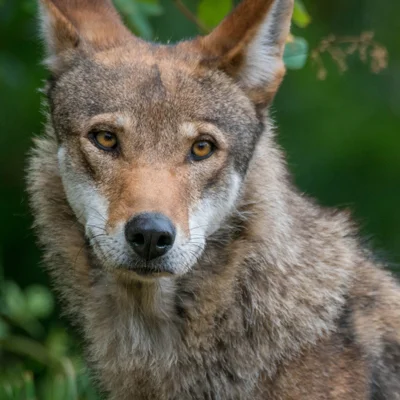
Filming the American Red Wolf
One of the rarest mammals in the world is facing it’s second extinction in the wild and there are less than 30 red wolves left in their natural habitat. Running Wild Media is working with a host of conservation organizations to protect this species.
Over the past year, we have been working with Conservation Centers for Species Survival, the Endangered Wolf Center, US Fish and Wildlife and a host of other institutions all dedicated to saving America’s rarest mammal to create an educational film aimed at inspiring action to prevent this animal’s second extinction in the wild.
The American red wolf is an elusive canid that once was native to the eastern portion of the United States. Once European settlers moved across the country, this wolf was removed from much of its range, opening up the east to coyotes. In an effort to prevent this animal from going extinct for good, the last 14 known wolves remaining in the wild were rounded up in the 1980’s and placed into managed care facilities to start breeding programs. In 1987, red wolves were released in North Carolina where they still remain today, however, their numbers have plummeted and are estimated to be less than thirty.


Justin Grubb and Alex Goetz have spent weeks in the field in North Carolina filming wild wolves, setting trail cameras and working with US Fish and Wildlife Biologists. The goal, is to collect compelling footage of an animal that is rarely seen and even more rarely photographed in the wild.


Through the efforts of Running Wild Media, a lot of really unique and rare behaviors of these misunderstood carnivores have been brought to light through the use of trail cameras placed in areas of high activity in the Alligator River Wildlife Refuge. Trail cameras are an incredible way to capture footage of wildlife behaving naturally without the interference of a humans presence. In addition, the crew teamed up with biologists to utilize their radio telemetry technology to find the wolves in their natural habitat. Seventeen of the wild wolves have radio collars on them which emit VHF radio frequency which can be picked up by biologists to allow them to triangulate where the wolves generally are located. US fish and Wildlife also uses this same technology from the air with antennas mounted on to the wings of aircraft and fly over the refuge once a week.


Behind the scenes filming in the field in North Carolina.
To learn more about this amazing carnivore, follow us on Facebook and Instagram to see more red wolf content. To make a donation to the red wolf recovery program, visit Conservation Centers for Species Survival’s website.
Documenting the Wildlife Trade
Running Wild Media has years of experience documenting wildlife in their natural habitat for various conservation purposes, and this experience is advantages for documenting wildlife trade and trafficking across the globe to save wildlife from extinction.
Running Wild Media has years of experience documenting wildlife in their natural habitat for various conservation purposes and this experience is advantages for documenting conservation issues facing wildlife all over the world. In addition to documenting human wildlife conflict, Running Wild Media Co-founders document wildlife trade and trafficking across the globe for various conservation organizations.
What is it?
Wildlife trade is a broad term used to describe various forms of trade from exotic pets, animal parts to even illegal trafficking of protected species. Items as familiar as dried fish and shells you would find at a local shell shop near the beach are considered part of the wildlife trade. Exotic species are also an active part of the wildlife trade and are defined as species that are not domesticated like dogs, cats and horses. Fish, snakes, frogs and birds at your local pet store are all a part of the wildlife trade. These elements of the trade are regulated and are typically okay to participate in, although consumers should be very cautious and educated about the implications of supporting the legal wildlife trade.
The illegal wildlife trade is extremely dangerous and occurs because the export/import/trade of particular products are banned, making these commodities highly valuable on the black market. This trade is usually run by organized crime networks and encourages illegal poaching in protected areas. Often, poaching is conducted by desperate individuals who have no other place to turn to feed their families and is done as a last resort. The best way to stop poaching on the ground is to provide alternative economical opportunities, such as hiring these individuals as rangers, organic farmers, skilled laborers and so on. The overall organization of poaching and the trafficking of wildlife products are conducted by criminals, therefore, must be confronted with solid law enforcement practices.


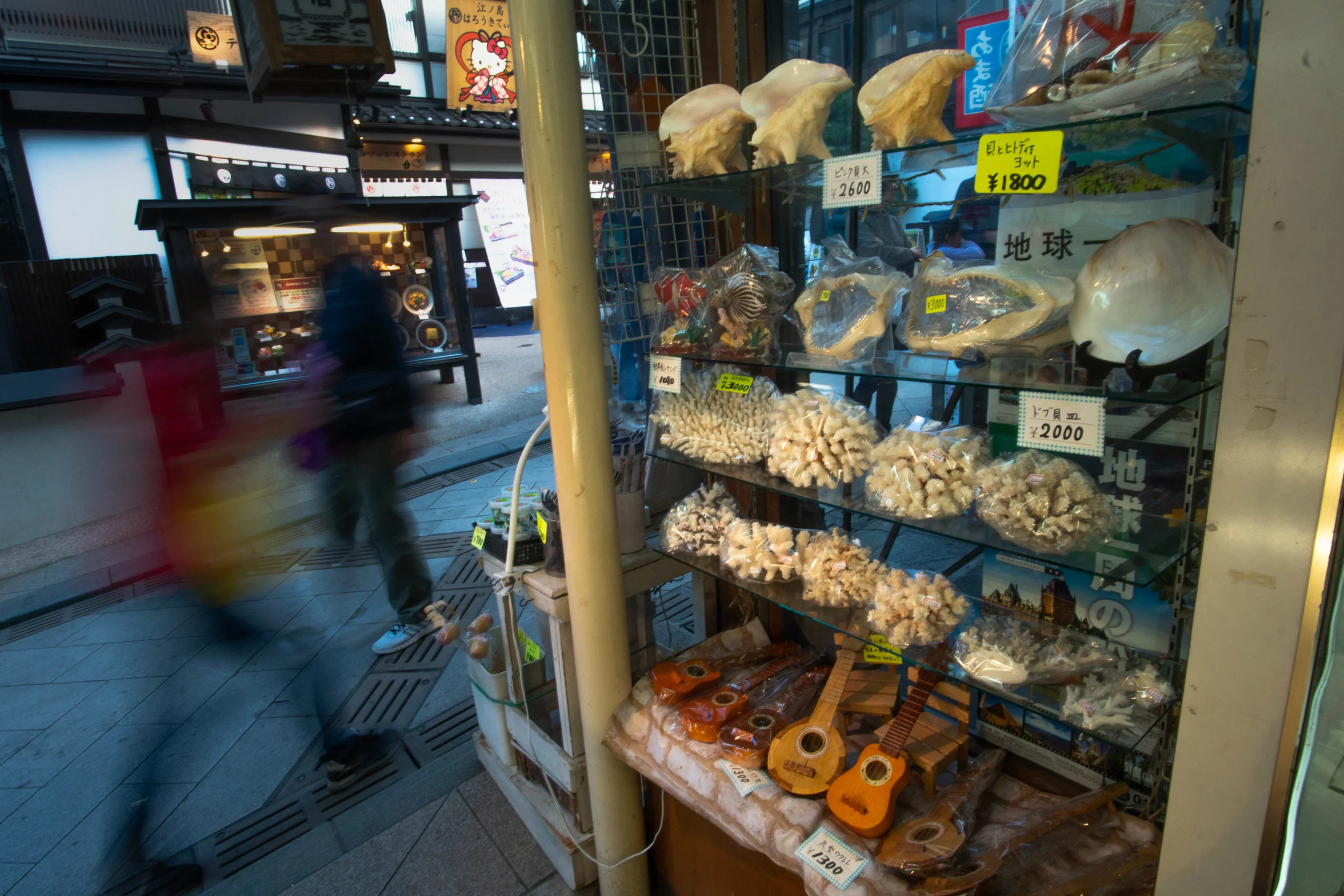
Above: Sea turtles, shark products and shells on sale in a tourist shop in Enoshima, Japan. Unsuspecting tourists that purchase one of these items and then take it on a plane with them face heavy fines and even jail time. Photos by Justin Grubb
Governing Entities
The Convention on International Trade of Endangered Species (CITES) is an international agreement between governments that aids in the protection of species that are listed as endangered according to the International Union for Conservation of Nature (IUCN). CITES as three appendages I, II and III. Appendix I includes species threatened with extinction. Trade in specimens of these species is permitted only in exceptional circumstances. Appendix II includes species not necessarily threatened with extinction, but in which trade must be controlled in order to avoid utilization incompatible with their survival. Appendix III contains species that are protected in at least one country, which has asked other CITES Parties for assistance in controlling the trade (cites.org). The animals featured in the images above are included in appendix I.
The Wildlife Trade’s Affect on Biodiversity
Imagine you are a buyer looking for a beautiful piece of coral skeleton to put on your home office table. You are looking for a particularly large piece, one with good looking coral branches and a solid white color. You are looking through several pieces and finally settle on one that isn’t missing any branches and at one point probably looked “healthy.” The seller is very aware of what the buyer is interested in, and will select the best looking pieces of coral for sale. This usually means the largest, strongest and healthiest corals are selected for sale, removing them from the environment and ultimately, removing their genes from the genetic pool. This has the opposite affect of natural selection, which in a natural state, selects against sick, weak and poorly adapted animals and plants in the environment. These are considered outliers in a healthy population. But when the strong and healthy are targeted and removed, it acts to destabilize a population and select for the less genetically fit individuals.
Another example of destabilization is with trophy hunting. When a hunter selects a large male lion to kill based on size, mane and large gnarly looking teeth, they don’t often consider that the lion has spent years fighting off other male lions to finally produce a pride of his own and produce several offspring with a few different females. When the bullet from the hunter’s rifle kills the male, something of which millions of years of evolution could not have prepared him for, the pride is open to other outside male’s. These male’s will compete with one another until one takes over the pride but not until that male kills the cubs from the last lion’s lineage. This has a similar affect by removing the most genetically fit organisms from the environment and selecting against them through artificial means.
Both scenarios actively aid in lowering genetic fitness in a population and can cause severe survival problems if left unregulated. Therefore, it is extremely important to follow the guidelines of CITES when looking at wildlife products.
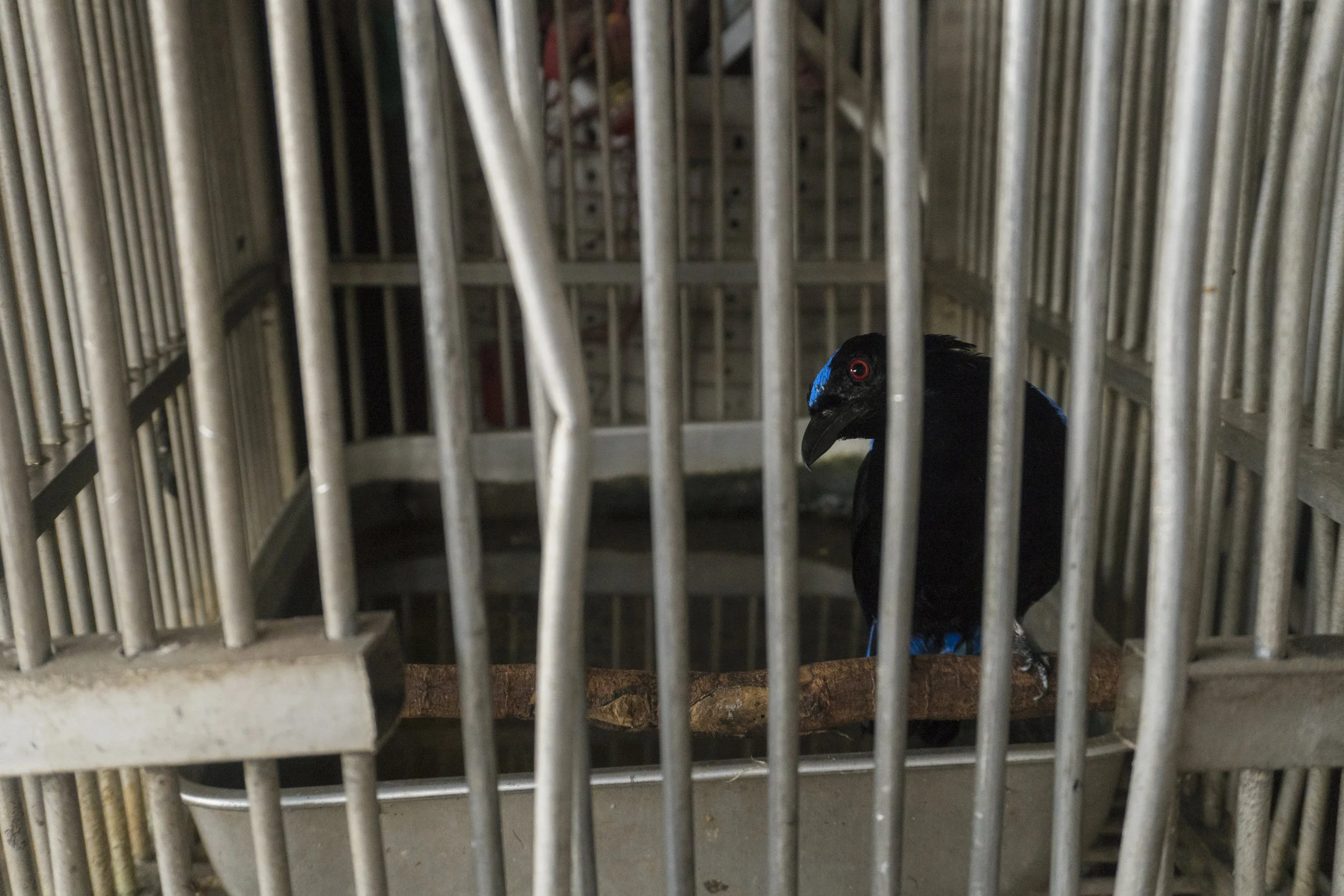


Above: A fairy bluebird, native to Borneo, for sale in a bird market in Pontianak, Indonesia. Photo by Justin Grubb
What to Do
Whether you’re shopping at a shell store or pet store, it is important to consider where the wildlife items you are looking at came from and recognize that many of these items were once part of a living breathing ecosystem, but now, are simply a dried heap sitting on a dusty shelf for someone to buy and take it home as decoration. The best course of action, is to avoid purchasing these objects in the first place and to spread awareness to others. Instead, while souvenir shopping, look for something handcrafted by a local and support their trade.
When you see suspicious items for sale in a shop, report it. There are various organizations the specialize in different avenues in wildlife trade and finding that matches your find is easy. Feel free to contact us with your find and we can assist in reporting any potential illegal activity.


Above: Dried shark fins, taxidermy sea turtle, jewelry made of turtle shell and dried stingrays. Photos by Justin Grubb
Running Wild Expedition: Costa Rica
Running Wild Media completed it’s first public expedition to Costa Rica to host an adventure filled workshop for beginner photographers and wildlife enthusiasts. The trip brought six participants to several incredible parks around the country to explore the country in a way that is only possible with us.
Running Wild Media recently hosted it’s first expedition tour to Costa Rica to provide participants an adventure through the jungle to get close to wildlife as well as a “run and gun” photography workshop for amateur and beginning photographers. Six participants from around the US signed up for a 10 day tour of the beautiful country of Costa Rica. Follow #runningwildcostarica on instagram to see more photos from this expedition.


Running Wild expeditioners visited a diverse array of parks including Manuel Antonio National Park, Rainmaker Private Reserve, Saguaro Ecologico Monteverde, The Monteverde Institute and the incredible cloud forests of Monteverde. These parks provided plenty of opportunities to snag incredible photos of Costa Rica’s diverse and colorful wildlife.


The mission of these trips, is not only to get participants close to wildlife, but to get them to work hands on with wildlife in a research or rehabilitation capacity so they can be more immersed in the environment in which they are visiting and truly appreciate nature from a point of view few visitors get. There are also plenty of opportunities for heart pounding adventure however, and this trip included intense zip lining through the rainforest and long suspension bridges through the canopy.


The goal, is to offer two to three unique trips like this a year so participants can chose from a variety of environments, countries and wildlife. The next Running Wild Expedition will likely be to Honduras to dive and photograph coral reefs and their inhabitants.
To learn more about future Running Wild Expeditions visit runningwild.media/travelwithus or contact justin.runningwild@gmail.com.
On the Hunt to Save Red Ivory
Working with local conservation organizations in Indonesian Borneo to save the largest hornbill bird in Southeast Asia, which is being taken out of the wild at an alarming rate by poachers looking to sell its beak in the black market.
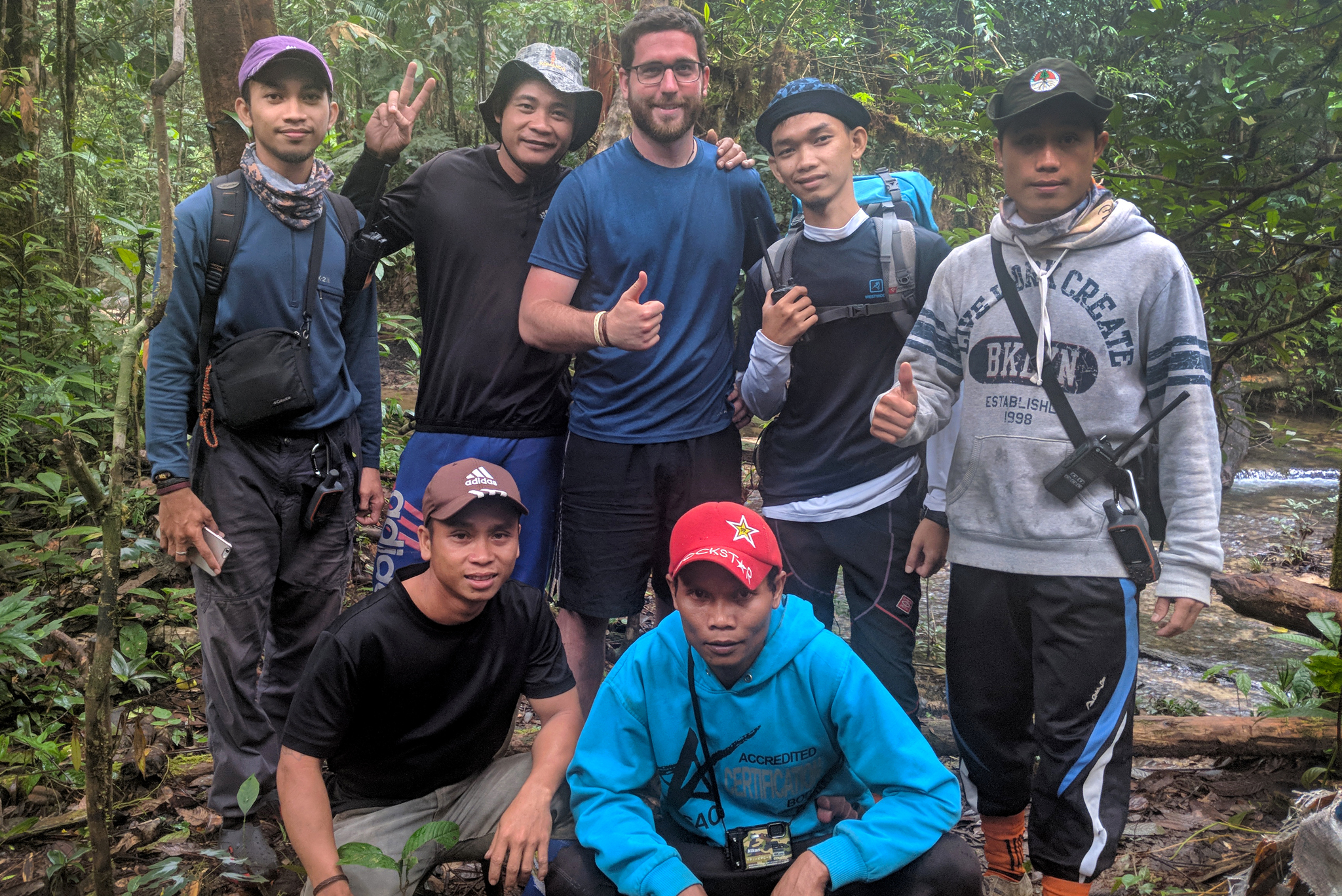
After about four hours of continuous hiking, slipping, falling and smashing through some of the thickest, steamiest and loudest rainforest I have ever been to, I finally got a glimpse of what brought me all the way to Borneo.
It was late morning. The sky was white with overcast, and if you stopped for a minute, your glasses steamed up from the humidity. The research team I was with took a quick break in a large clearing. I sat down with my camera and stared at an enormous millipede somewhere around the length of my size 10 boot crawling up a log. Suddenly, one of the researchers started whispering at me in Bahasa Indonesia (Indonesia’s official language) and waving me to their spot. I didn't speak his language, but I got what excited waving meant, so I quietly creeped over to him, careful not to butt scoot down the side of a mountain. I plopped down and we both stared into a tree.
After a few minutes, a large dark bird shot out of the tree in a few wing beats and back twisted away as quickly as it emerged. It was airborne enough for me to see its bright yellow beak, its handsome red helmet and award-winning quintuple chin. I only had three seconds with the bird, but this was a wildlife encounter like I've never had before. Moments later, a call busted out into the forest. took...... took..... took.. took. tooktooktookwhakakakakaka. Then, silence.


The helmeted hornbill is a large bird (its wingspan is 6 feet long) endemic to Southeast Asia. In addition to a mystifying call and beautiful black feathers, this hornbill is incredibly important to the ecosystem as it helps spread the seeds of dozens of tree species. It has an impressive protuberance known as a casque that sits on top of the head and is highly valued by wildlife traffickers. So valued, in fact, that the bird is being hunted to extinction: The International Union for Conservation of Nature (IUCN) has listed helmeted hornbills as critically endangered. The casque material resembles ivory and is carved into intricate designs to be sold in Laos, China and other markets.
While long considered a traditional practice for the people who live in these forests, casque carving has seen a recent explosion in trafficking over the past half-decade or so.
Many wildlife conservation groups are alarmed by the speed in which this animal's wild population has declined. And that’s where my story begins. I’m a fellow in the Emerging Wildlife and Conservation Leaders (EWCL), which in 2017 partnered with a local organization called Yayasan Planet Indonesia to address the many urgent issues facing the helmeted hornbill. As a regular part of the EWCL training, fellows form groups and associate themselves with a particular conservation program, and I, along with five other EWCLers, as we call ourselves, chose to work on the helmeted hornbill. For the first part of our plan, we solicited grants for a special training of local forest rangers within the helmeted hornbill’s home range. (We'll get to that a little bit later.) Building upon this training, the next phase of our project is to create a film showcasing the work of our conservation partner and how they save hornbills. This film will be an important recruiting tool for Planet Indonesia to increase their capacity for this special training and was supported by the Sea World and Busch Gardens Conservation Fund.
I was first introduced to Gunung Niut, a forest reserve nestled in the mountains of West Kalimantan province, by Planet Indonesia's bird research team — a group of dedicated and hardcore individuals who perform transects, in the forest to listen for the auditory evidence of the presence of certain bird species. We chose this area because it may have one of the last robust populations of helmeted hornbills in the world (to protect the species, I’ll refrain from describing any specific locations within the area where hornbills may be found).
My first experience in this forest was to carry a live chicken up the mountain for dinner. When I arrived at the campsite, after about a three-hour hike up a mountain, I was welcomed with open arms and even treated to some fried frog that the rangers had prepared a few hours before. What they say is true, it really does taste like chicken. I even ate chicken (my old hiking companion) right after and couldn't tell the difference. The night consisted of cards, laughing and a smoky fire, but everyone settled in quickly because an early morning awaited.

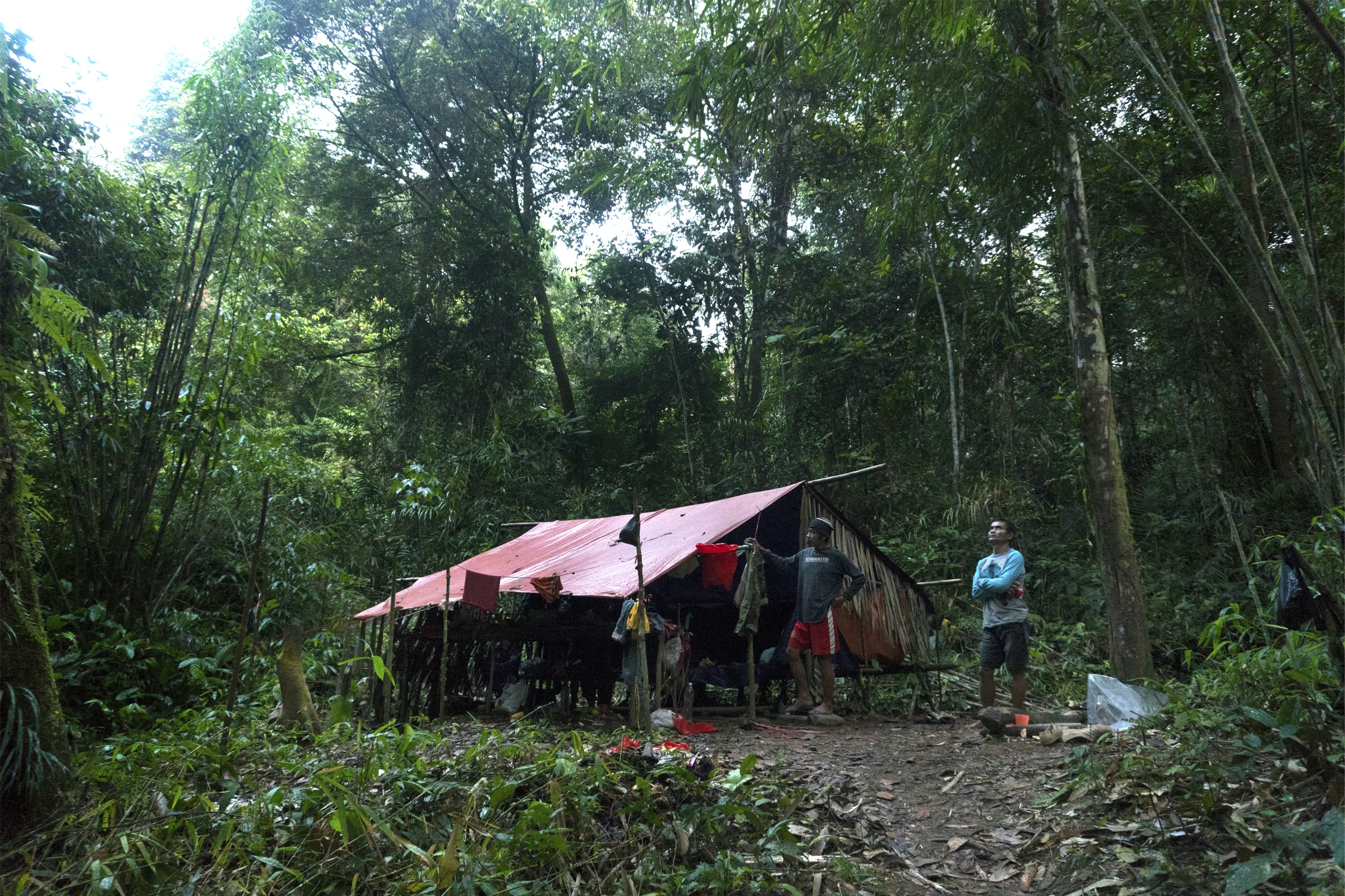

Click the image to the right so scroll.
At 4 a.m. the next day, we were off into the forest to listen for birds and record the sounds of the forest. I picked the "adventurous" path, as the researchers called it, to get the best footage of everyone hiking on ledges and ridges as well as climbing around some big trees. This route was real steep and wet, which did a number on my butt and my camera gear.
As soon as I was starting to feel frustrated with the conditions, one of the rangers waved me over to his position to quietly stare into a tree with him. I had no idea why, but I went with it, and looked into the tree. That is when I had my moment with the helmeted hornbill.
It was like being in the presence of childhood hero.
Following the encounter, I spent days hiking up and down mountains, frequenting trees where researchers said they saw a hornbill hanging out by before. Through my remaining time in the forest, I only heard that call two more times, and never saw another helmeted hornbill.
After my quick expedition with the research team, I traveled back to Pontianak, West Kalimantan’s capital, to attend a critical training session that will change the way enforcement is done in Gunung Niut — and eventually (fingers crossed) the entire country. It was SMART training time. SMART is the Spatial Monitoring and Reporting Tool used by rangers all over the world to track and assess poaching activity to prevent the loss of wildlife. This training was supported by the Education for Nature grant by the World Wildlife Fund and was written by our EWCL team. While I did quite a bit of filming during the training, I did step out to visit a bird shop in the city to see what I could find. These shops act as fronts for wildlife trafficking, and often, people can wander into them and walk out with native birds that are illegal to own. In Kalimantan, Borneo alone, more than 25,000 birds from nearly 150 different species were found for sale from 2015-2017 in shops just like the one I visited. While snooping through the store, I found a few native birds (a fairy blue bird pictured here, and the long tail shrike) as well as more popularly traded birds such as the cockatiel and the lovebird. Though not as destructive as the red ivory trade, the trading of live hornbills for the pet trade does occur, and leads to their decline.


When the training came to an end, it was time for me, yet again, to hike into the rainforest to film. This time, I was with the first SMART patrol unit in Gunung Niut, and our mission was to walk part of the reserve and record our findings. This was a new section of the reserve for me and required a lot of hiking to get to the first camp. It was also much thicker and harder to hike than the previous area we visited but had some incredible waterfalls and amazing views.
Walking through the narrow rainforest trails with the rangers, I witnessed an alarming amount of wildlife traps. It was an eerie sight. About every 20 minutes or so, the whole ranger party would have to stop and assess a new source of evidence for illegal activity in the forest. As we kept coming across traps, it became more and more evident why the forest was so still and void of large animals. Just a few decades ago, groups of orangutans lived in this forest. Now, they are considered absent, hunted for their meat. Once the trap was assessed, documented and logged into the GPS, the rangers would tear apart the stick pole wall or machete down the bent-over tree with glue to catch bird's feet. During one of the nights, shotgun blasts silenced the chirping insects as a poacher took yet another animal from the forest. All the evidence of poaching I witnessed made me realize just how much harder we need to work to protect this forest and the wildlife that call it home.


Everyone I met during my time in Borneo all shared one common feature: They were extremely energetic and had a positive outlook on the work ahead. Planet Indonesia is currently looking for more people to join their movement to protect forests like Gunung Niut, and the film that our EWCL team will create hopefully will play a critical role in engaging the community to join the cause. As for filming a hornbill, I feel like I have a hole in my being that I need to fulfill before it is too late. I plan to go back to Borneo soon and meet up with Planet Indonesia to get my fix of the helmeted hornbill — alive and free.
Written by Justin Grubb - @journeying_justin - justin.runningwild@gmail.com
Special Thanks:
Funding Partners - Education for Nature World Wildlife Fund - Sea World and Busch Gardens Conservation Fund
Partners - Emerging Wildlife and Conservation Leaders - Yayasan Planet Indonesia
Dive In! 360 video
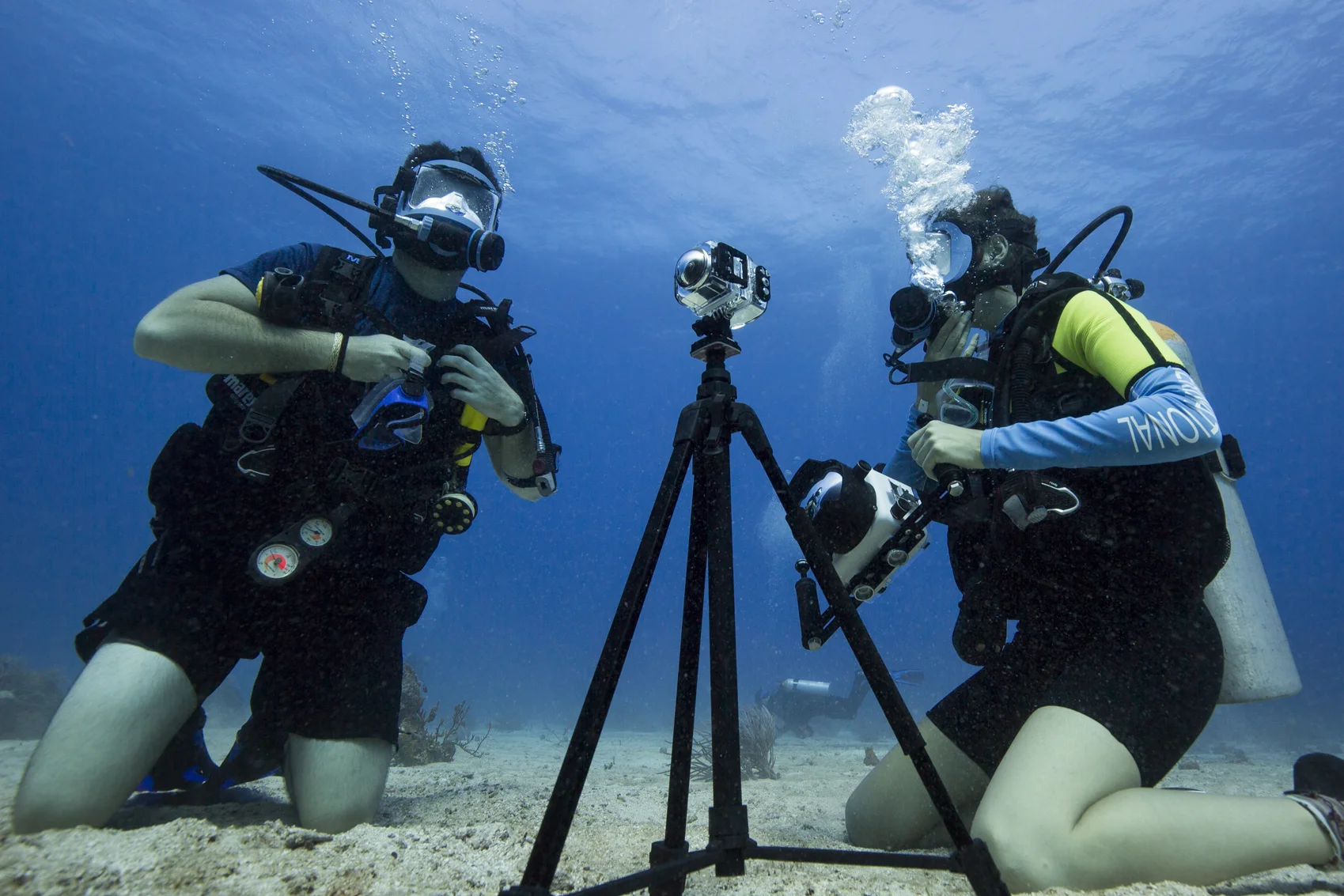
Running Wild Media and Kodak PixPro 360 Cameras are working together to create an incredible new dive series called "Dive In" to showcase the incredible ocean ecosystem and to immerse viewers into an otherwordly viewing experience.

The Ocean has always seemed to be such a strange and impossible place to visit. For most people, their experience with the Ocean begins and ends at the beach. For others, the freedom of SCUBA diving allows them to see the amazing and tranquil colors that lie below the ocean surface. To describe what is down there to people who have only ever been to the beach is difficult, of course, there are photos and videos of the underwater world but it is hard to do it justice.


With the emergence of 360 video technology, the world is one step closer to fully experiencing the vastness of the Oceans. Running Wild Media teamed up with Kodak PixPro 360 cameras to highlight some of the best the Ocean has to offer. We are creating a completely immersive show that will allow viewers to experience this unexplored world instead of just view it. Our co-founder Justin Grubb and Miss Scuba International 2018, Brittney Novick, host the series underwater to give the viewer immediate feedback on exciting animals behaviors.
For the first part of the series, the videos were shot on the coast of Honduras around the Bay Islands of Utila and Roatan. Both locations are havens for wildlife and coral reefs which are all becoming increasingly rare around the World. During the series, viewers or, experiencers, will expect to see lionfish hunting, amazing sections of coral reef and plenty of sea turtles.

Justin Grubb uses Kodak PixPro's 360 camera to film french angelfish off the coast of Utila.
Following the creation of this series, there will be an educational outreach campaign aimed towards the island of Roatan to engage young Hondurans in ocean conservation. Many of the children on the island surrounded by reef, don't often get to see the reef because of a variety of limitations. This series will break those limitations and bring the ocean to the classroom with the help of MarAlliance and the Roatan Marine Park.
Visit these sites to see what our project partners are up to.
kodakpixpro.com/Americas
www.roatanmarinepark.net
maralliance.org
www.ecodiversroatan.com
wsorc.org
www.dive-utila.com
ocean-connections.com
roatandivers.com


Manatee Conservation
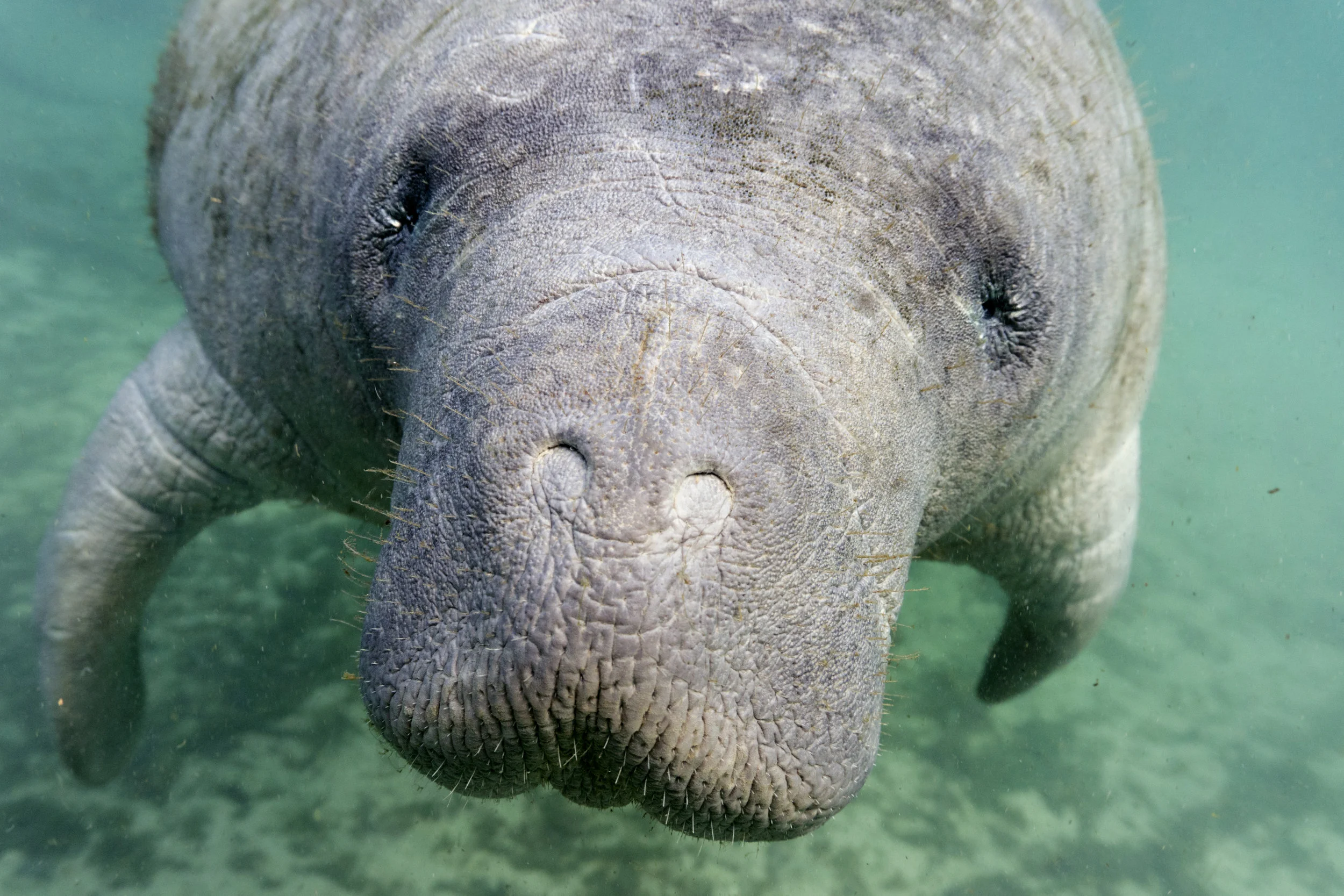
Running Wild Media traveled to Chrystal River in Western Florida to get up close and personal with the Florida Manatee. With the help of Kodak, the behavior of these manatees was captured in 360 degree video.
Quietly kayaking through dark tanic channels upon channels, squinting at dark cold water looking for the giant blobs that we have come so far to see. It was a cold December day and the morning sky was still young. The mangroves were eerily quiet.
About a half hour into the paddle on the way to Three Sisters Springs, it happened. The first clue to what we have come for was evident, a big round nose sticking out of the water followed by a quick breath and gone. Then a giant upwelling of water soon followed. We were here. Soon, the surface of the water was bubbling with the movement of manatees trying to mate. It was like a large focused ball of manatee energy, each one trying to swim over top the next. It was hard to see as the water was still dark and murky. We stuck around here awhile until the sex ball dissipated, enjoying the fact that a once critically endangered animal, is going at it and working hard to repopulate the once almost manatee-less waters of Florida.


Chrystal River serves as a sanctuary for manatees when the Gulf of Mexico temperatures drop into the 60's. Manatees do not have a lot of blubber to keep them warm so they must find warm water to stay healthy and not get hypothermia. The Three Sisters Springs serves as a perfect place for manatees to spend the winter because the water temperature stays around 72 degrees year round. The water also gets crystal clear as you get closer to the source of the spring.
The manatees here are protected, even though it is one of the only places in the US where one can legally swim with manatees. In order to do so, one must follow a set of rules established by the refuge and US Fish and Wildlife. Manatees gather by the hundreds, sleeping throughout the day and munching on vegetation in the springs. A single adult manatee can eat 150 pounds of plants per day and are vital to maintaining the manatee and turtle grass beds found off the coast of Florida.
Swimming with the manatees was an other-wordly experience. It was like entering a party where you are drastically different then everyone there and all the party goers want to get to know you at the exact same time. Manatees are highly social and love to be scratched although it is discouraged to do so. They will force you to do it by running into you and grabbing your arms to rub it on themselves. The calfs are also extremely curious and will swim up to people and nudge them with their noses. This behavior stems from the natural lack of predators the manatees have due to their large size. Occasionally they will get preyed upon by sharks or orcas, but it is extremely rare. Their main threat is getting hit by boats in areas where manatees congregate. The best way to protect these animals is to observe boating speed limits and no wake zones in areas where manatees are present.
Connecting with nature in this fashion is undoubtedly special and builds the connection between manatees and people. Running Wild Media traveled to capture this delicate relationship and to bring back the experience to viewers. With the help of Kodak and JK Imaging, Running Wild captured the manatees in Chrystal River with 360 degree camera technology to share with people across the US. These videos will be available soon so check back for updates regarding exciting and one of a kind 360 degree views of the natural world.


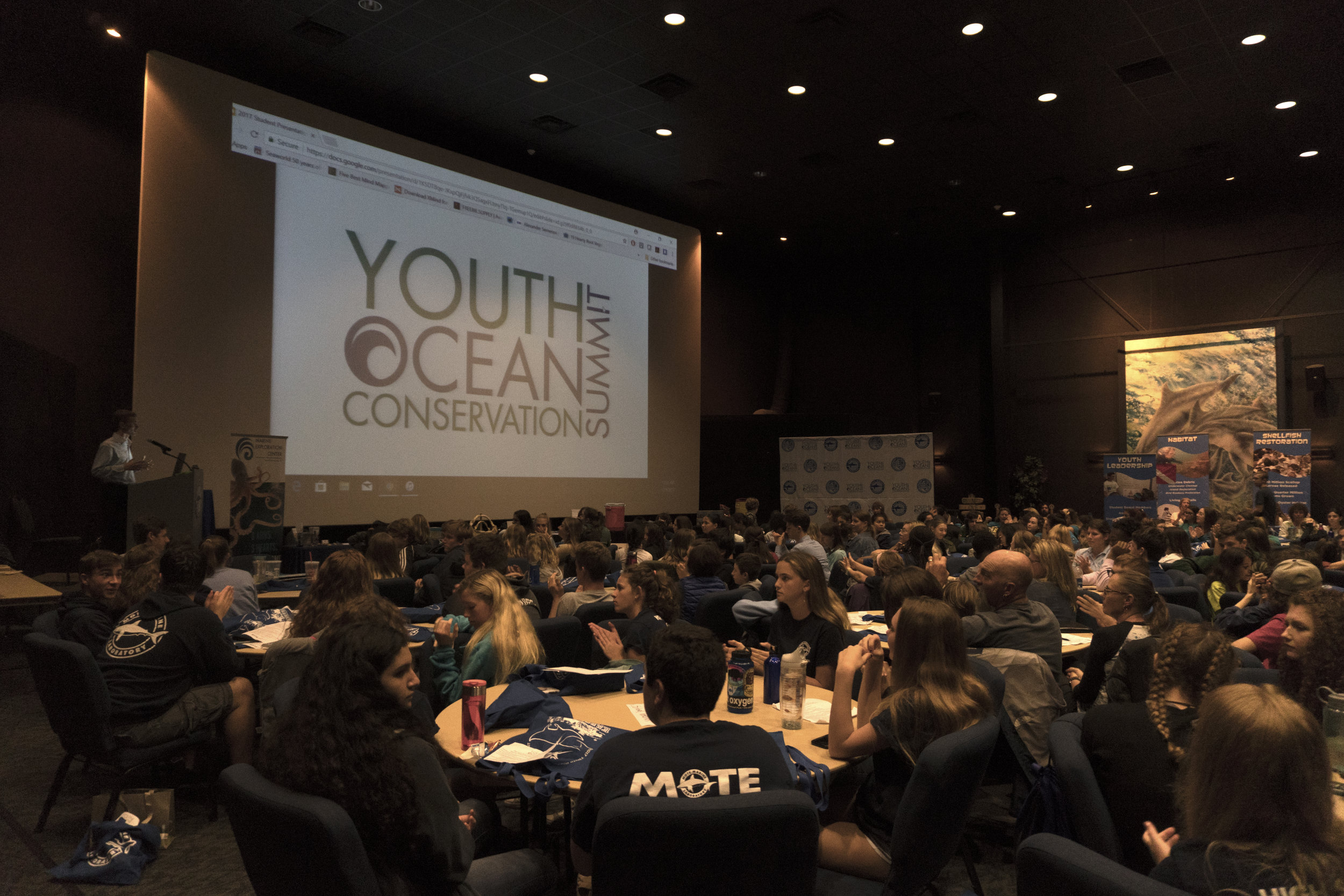
Youth Ocean Conservation Summit
Running Wild Supported the Youth Ocean Conservation Summit by running several workshops for students to learn how film can save wildlife. Each attendee walked away with their very own storyboard to prepare them to start working on their own film.
Running Wild Media visited the Youth Ocean Conservation Summit held at Mote Marine Laboratory and Aquarium on 12/9/17 to support the hundreds of students in attendance to create their very own conservation project. This summit, backed by dozens of oceanic foundations, empowers conservation minded youths to take action and implement a passion project while connecting students with mentors and funding.
Running Wild Media conducted several workshops on how to create a film to promote a project, how to create a film for an education camping and how to use film to persuade an audience to take action.
The workshop consisted of students coming up with 5-6 questions they think a general audience would ask while watching a film about their projects. Then, the students were to plop those questions on a timeline where they thought they would come up in a short film. Lastly, the students used the timeline to create their storyboard for the short film.

Co-founder Justin Grubb explains how to set up a timeline to help visualize the progression of the short film.
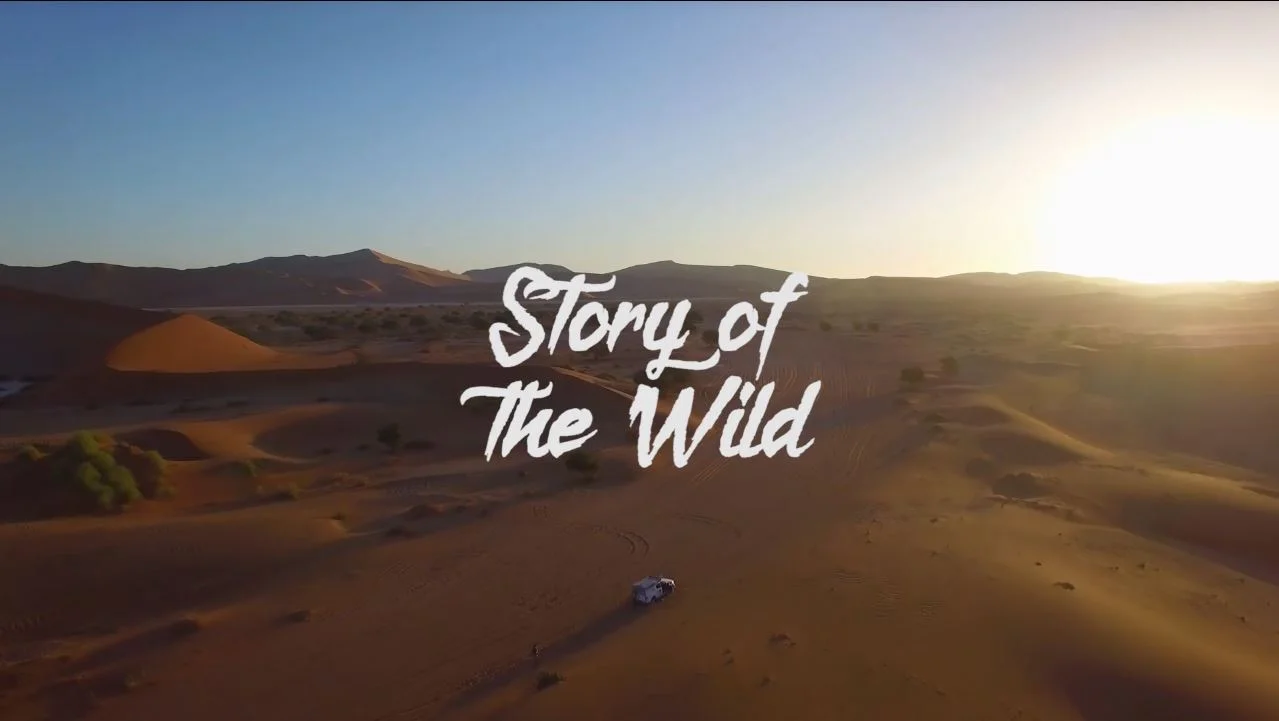
New film premiered at Sun Valley Film Fest
The new film "Story of the Wild" is a reflection on the changing landscape of Africa in the modern world. This film was shot while on assignment with Nat Geo Wild in Africa.
Running Wild Media created a new short film about the recent expedition to Africa to film with Safari Live and Nat Geo Wild. The film was composed of shots from all over the Southern portion of the continent including South Africa, Namibia, Botswana and Mozambique.
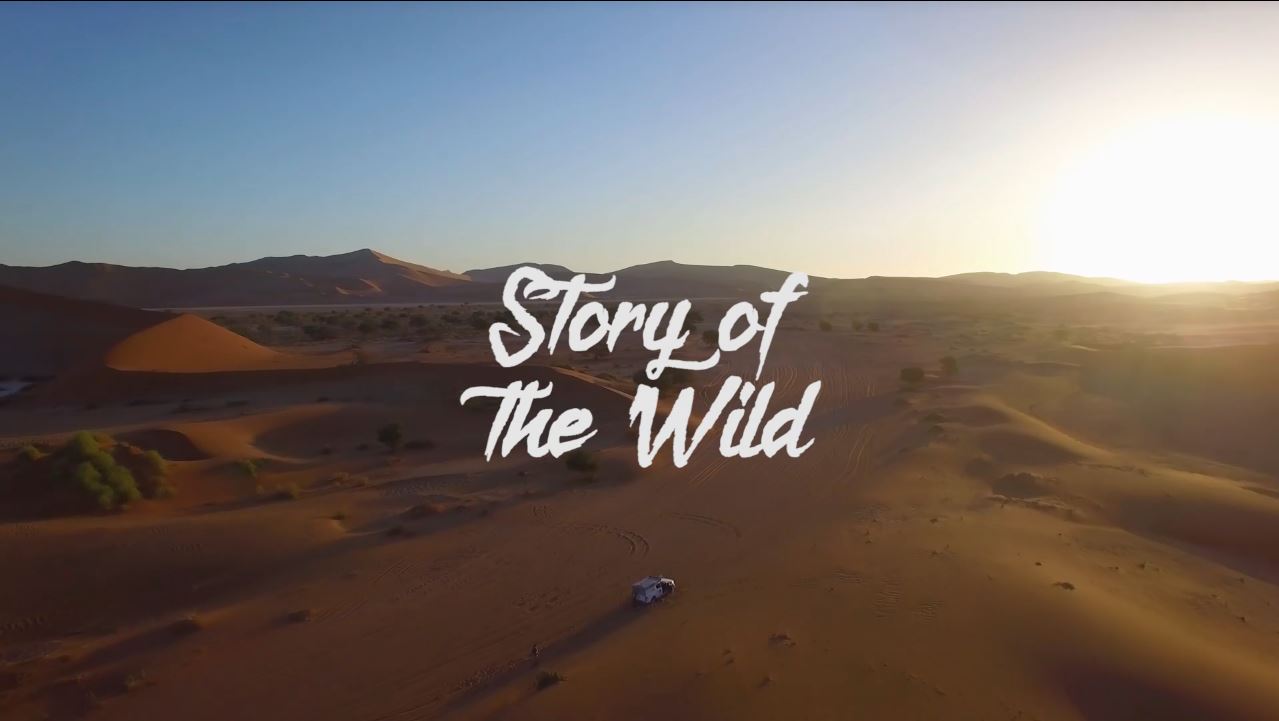
The film features footage of elephants, leopards, lions, zebra, dolphins and other iconic African species and is a reflection on the land that Africa has become as it relates to the modern world.
Sun Valley Film Festival presented by Nat Geo Wild.


Sun Valley, Idaho is nestled in the beautiful Rocky Mountains and is rich in wildlife and outdoor activities. This wild atmosphere is the perfect home for one of the wildest film festivals on earth. The Sun Valley Film Festival has a significant portion of films that belong to Nat Geo Wild and hosts an annual film competition called "Wild to Inspire." Each year, a winner is selected by Nat Geo Wild to go on a trip to Africa to film wildlife. This is the trip Co-founder to Running Wild Media, Alex Goetz and Justin Grubb embarked on last November.
Running Wild in the Virgin Islands
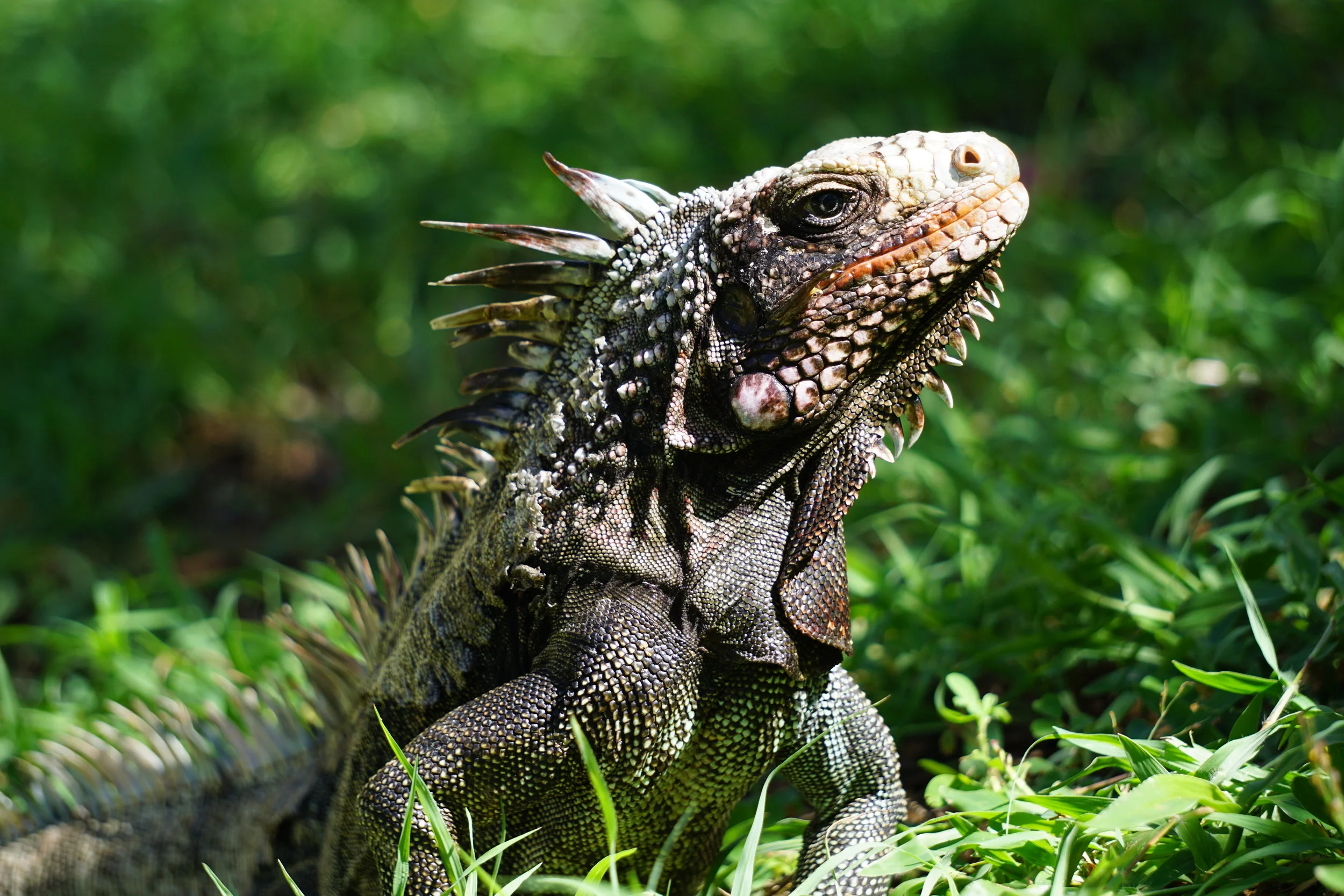
The U.S. Virgin Islands have a host of wildlife that call these land blips home. Running Wild photographer Nick ran amok to find as much wildlife and amazing scenery as possible. Click to see the gallery.
Contributor Nick Gordon traveled to the U.S. Virgin Islands to explore the amazing landscape and search for incredible wildlife. These islands sit in between the Atlantic Ocean and the Carribbean Sea and are home to one of the world's largest land lizards: the green iguana. Hundreds of species of tropical fauna call these islands home. The reefs around the U.S. Virgin islands are some of the most productive reefs in the world and colorful schools of fish can be observed swimming amongst amazing coral species.
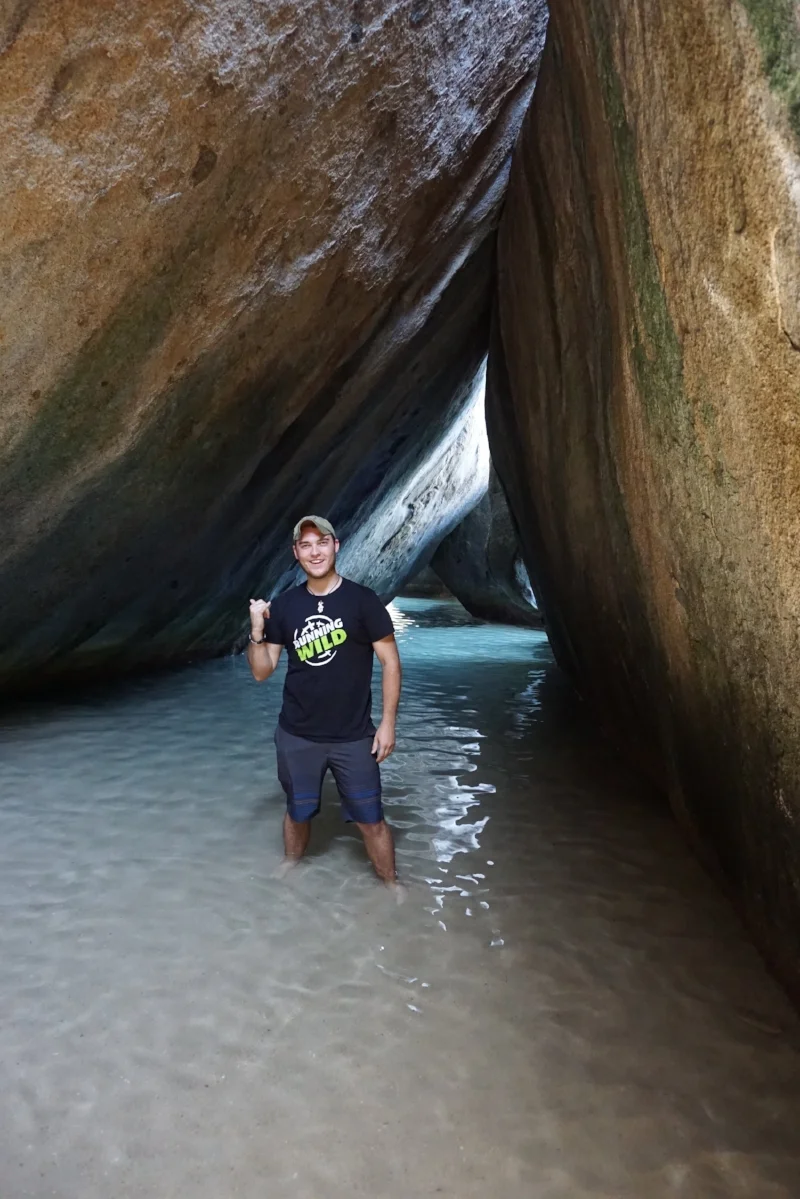
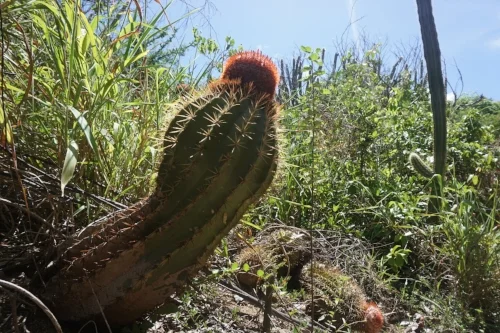
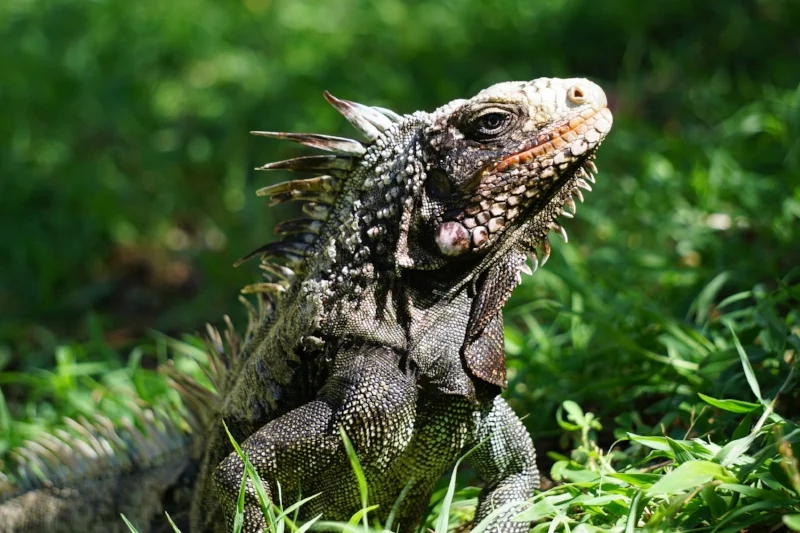
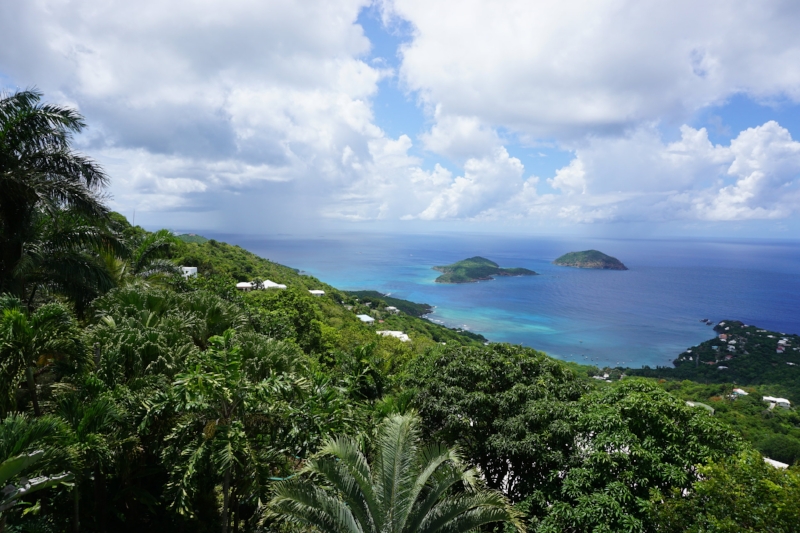
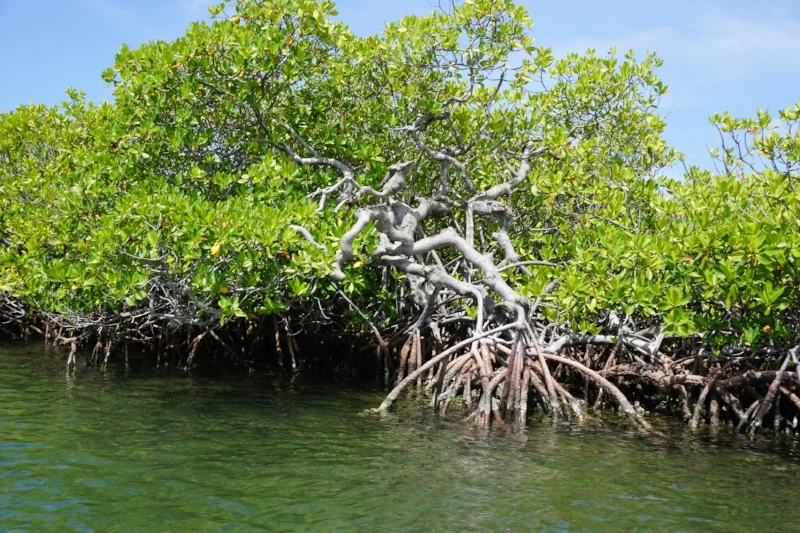
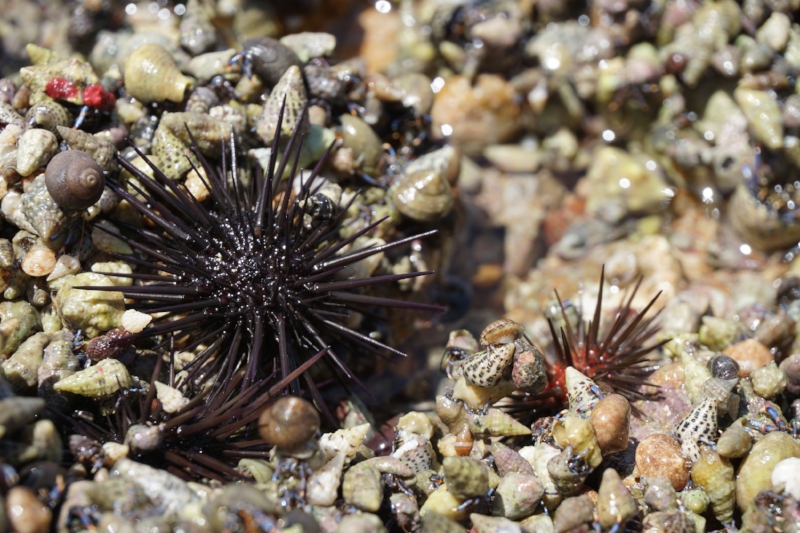

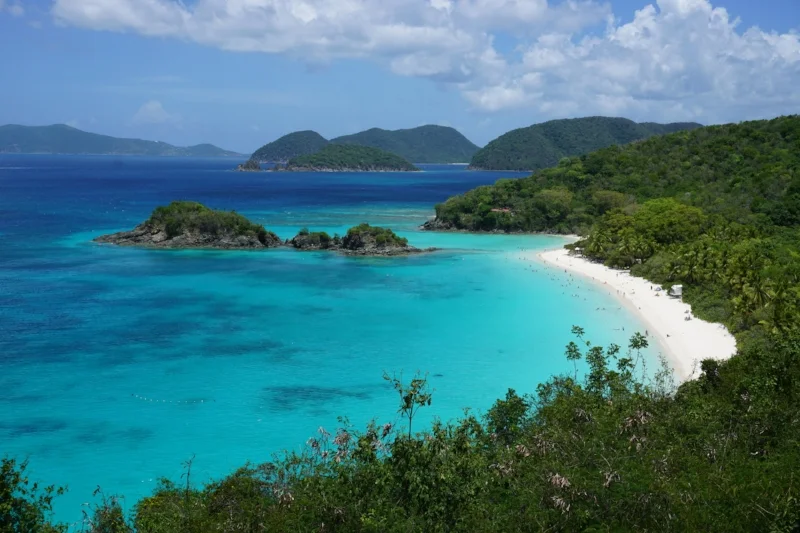
To view images, click on the picture and it will open up a larger image.
Eco-tourism and Dolphins
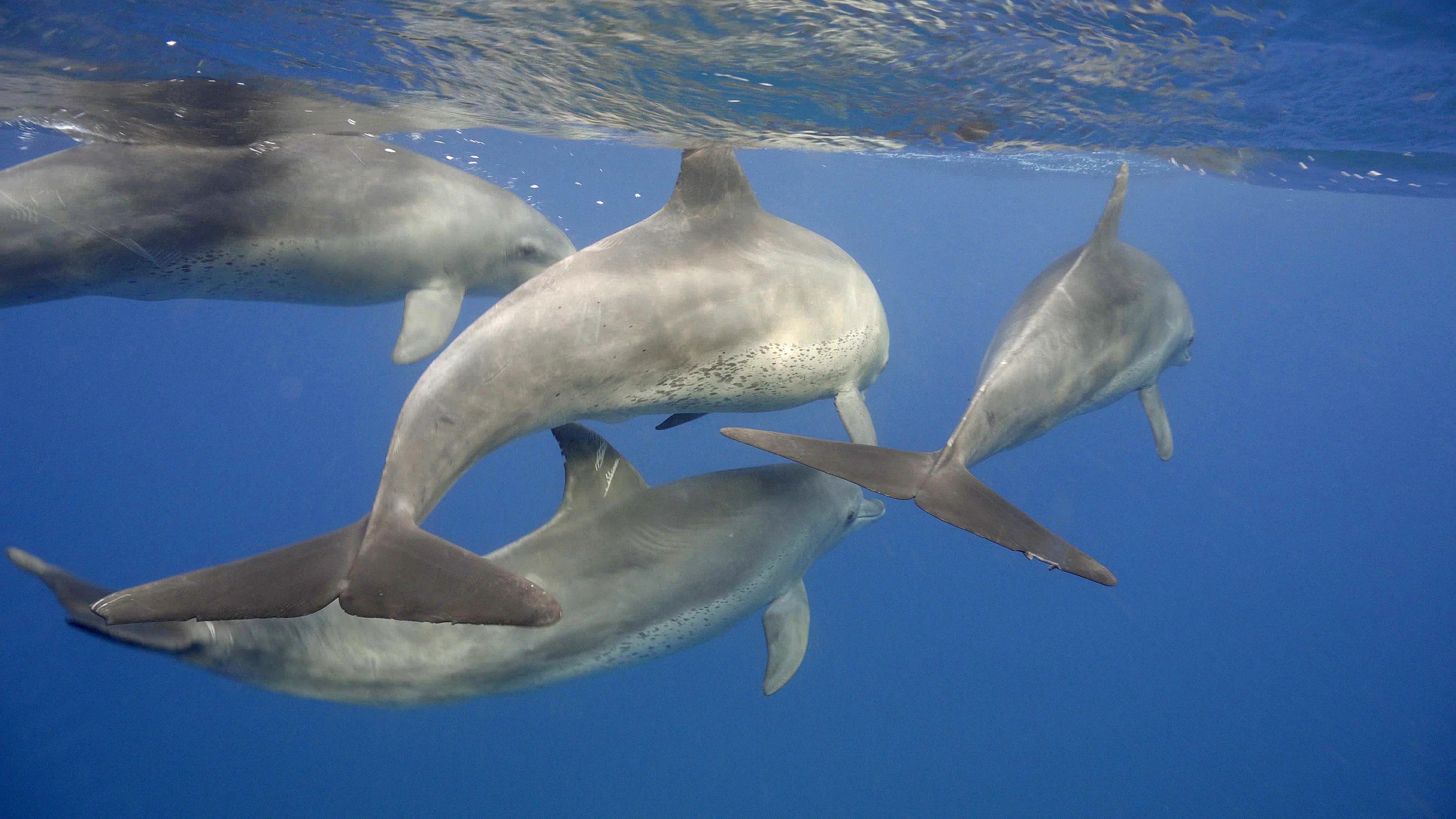
The Dolphin Research Center Mozambique blends conservation with tourism in a respectful way that supports the dolphins of Ponta Do Ouro. Strict rules have been established by the center and is the only one of its kind allowed in the area.
While filming in the African wilderness, the Running Wild crew cooled off in the ocean off the coast of Mozambique. On the border of South Africa and Mozambique lies a small city with zero docks called Ponta Do Ouro. In this town is a place called the Dolphin Research Center Mozambique where tourists are allowed to swim with the wild dolphins of Ponta Do Ouro, but under strict supervision of founder Angie Gullan.
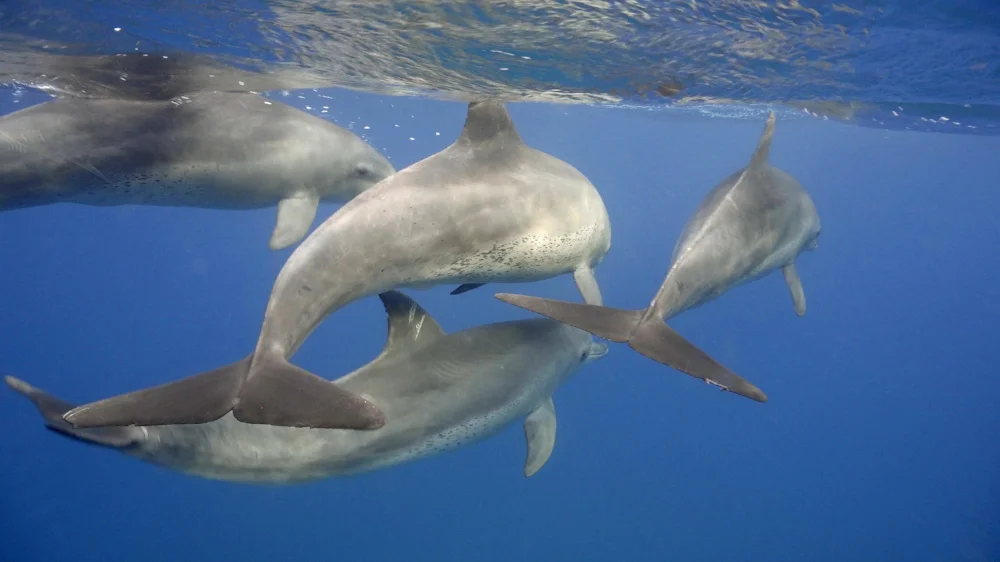
When tourists arrive at the dolphin hut in the town of Ponta Do Ouro, the morning is early and the sun is just barely breaking out from below the horizon. This is when the briefing occurs and visitors learn about the importance of dolphins in the ecosystem, dolphin facts and the natural history of the dolphins that live off the coast and, more importantly, visitors are taught how to respect these animals and the rules of engagement for successful interactions.
Unlike most dolphin interactions, the Dolphin Research Center Mozambique has no fences, visitors are not allowed to touch the dolphins, the dolphins are free to come and go as they please and dolphins are not rewarded with food for their encounters. The time spent with dolphins is decided by the dolphins and when they have had enough, they simply swim out into the ocean. "Every time we take our boat out there, every-time we try and swim with them we do create a certain level of stress! Our job is to limit that stress and this we do through DolphinCare's Code of conduct. No feeding, touching, chasing or diving down is our philosophy as is respecting a one boat & two drop policy." - Angie
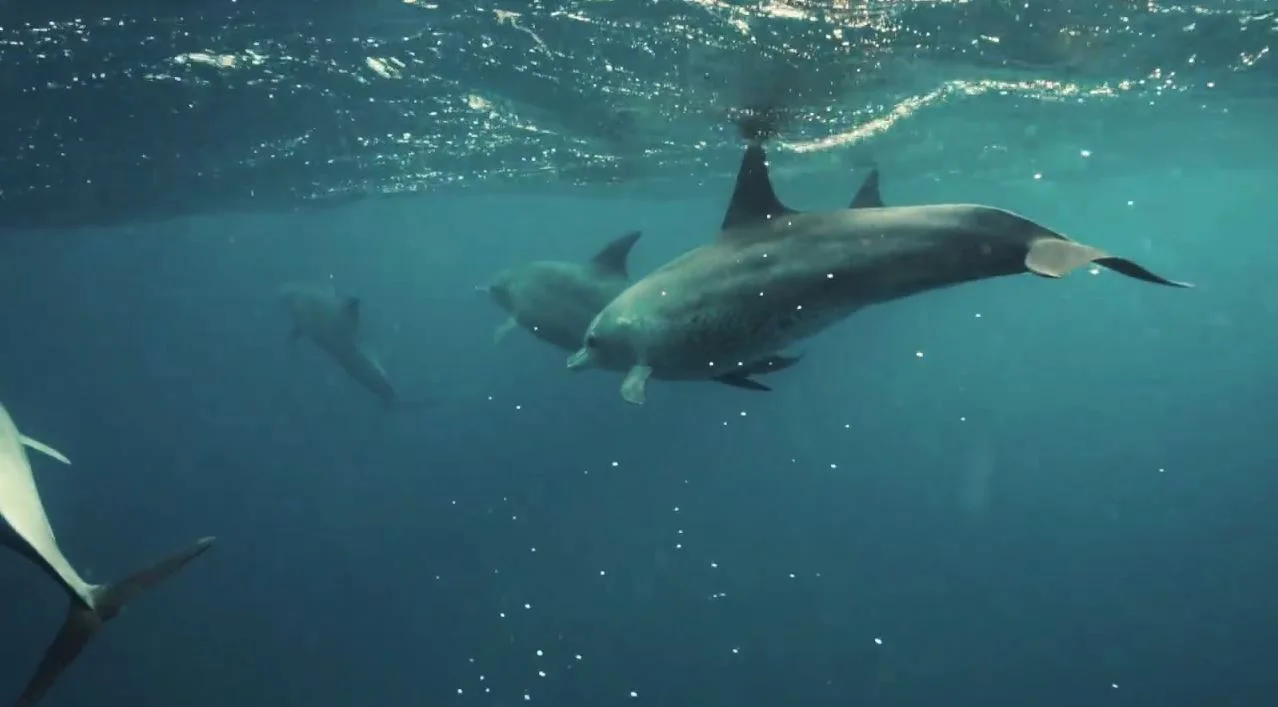
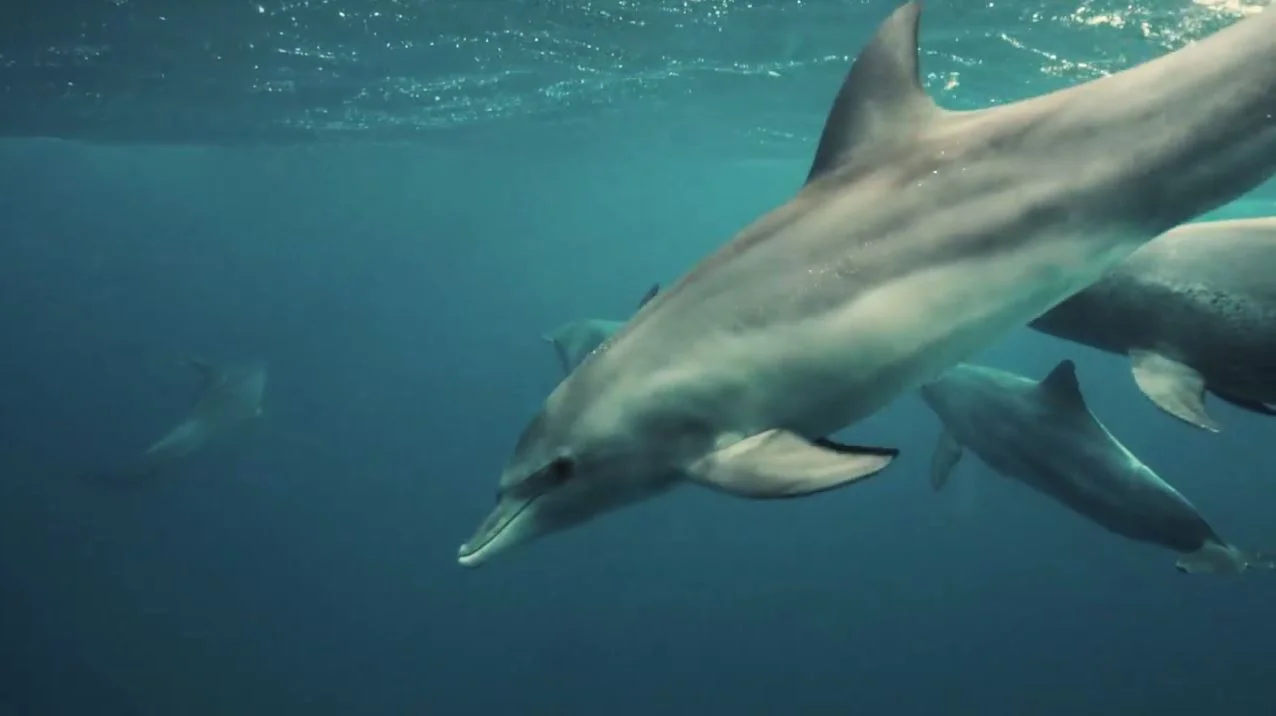
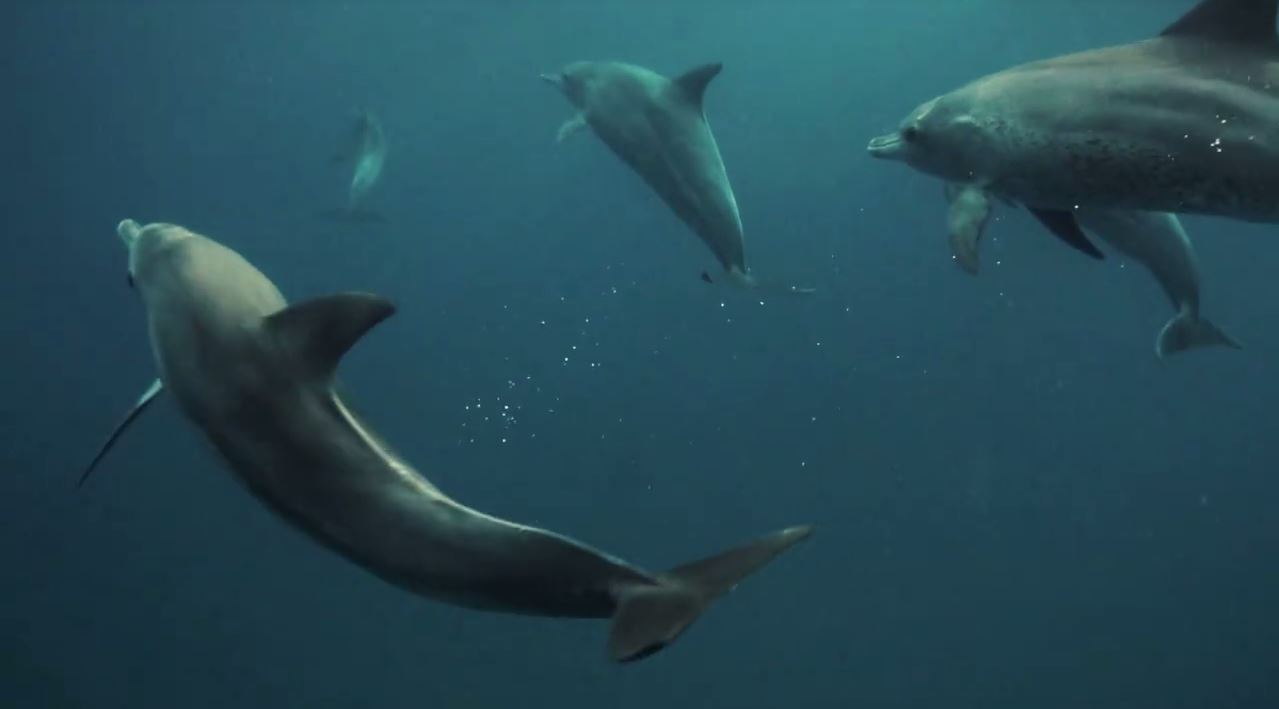
Angie has been instrumental in developing the appropriate code of conduct when interacting with the dolphins and her center is the only one of its kind allowed to operate in the area. In addition to partnering with local conservation organizations, the Dolphin Research Center Mozambique also works with the World Cetacean Alliance and has its very own dolphin identification database created by collected images of dorsal fins. They have one of the largest datasets in Africa regarding these incredible marine mammals.
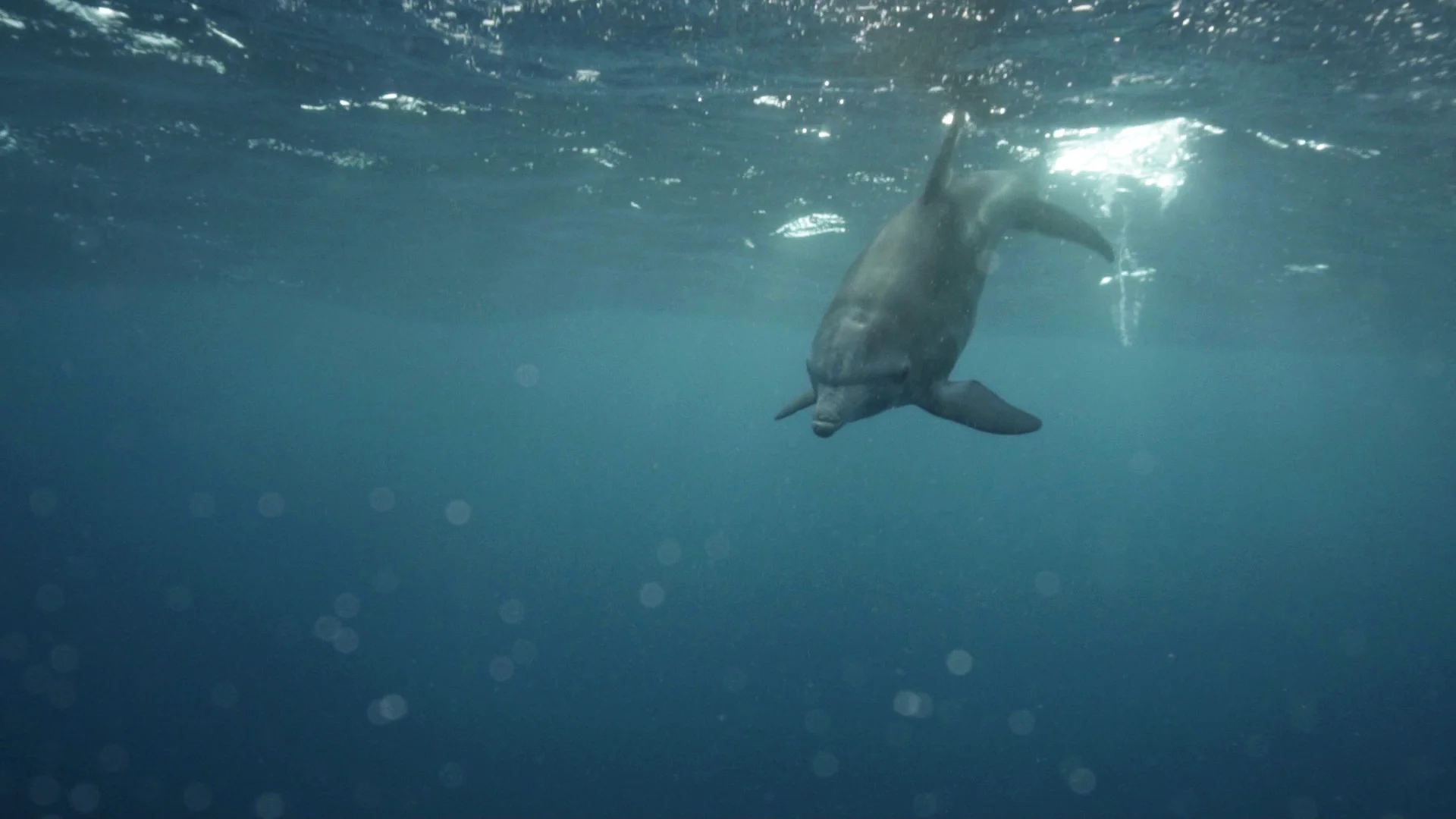
To learn more about the center and to arrange a visit, go to http://www.dolphincenter.org/about
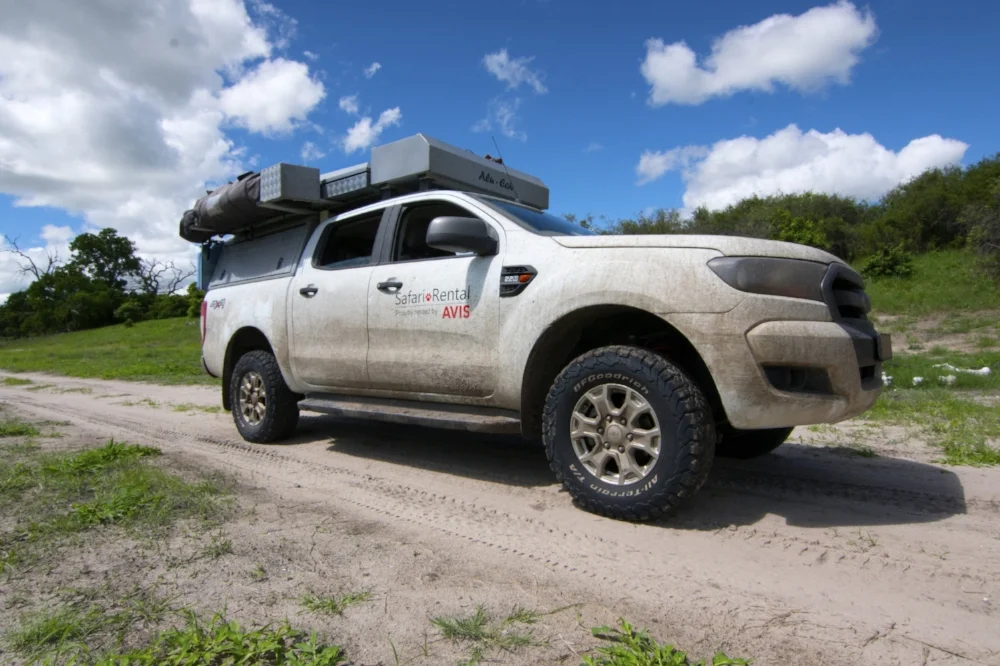
Safaris don't need to be expensive, grab your own truck and go!
The secret to an incredible safari on the cheap is out, the answer? Rent your own Avis Safari Vehicle and take off into the wilderness. These vehicles are equipped with everything you need from days to weeks in the bush.
The Avis Safari Rentals offer several vehicles built for your custom safari. Each vehicle generally has a personal refrigerator, freezer, water tank, rooftop tent, backup battery and solar panels. These vehicles can be rented in just about any major city in the Southern countries of Africa including Botswana, South Africa, Namibia, Zambia and Mozambique. To see a full up to date list, check the Avis website.
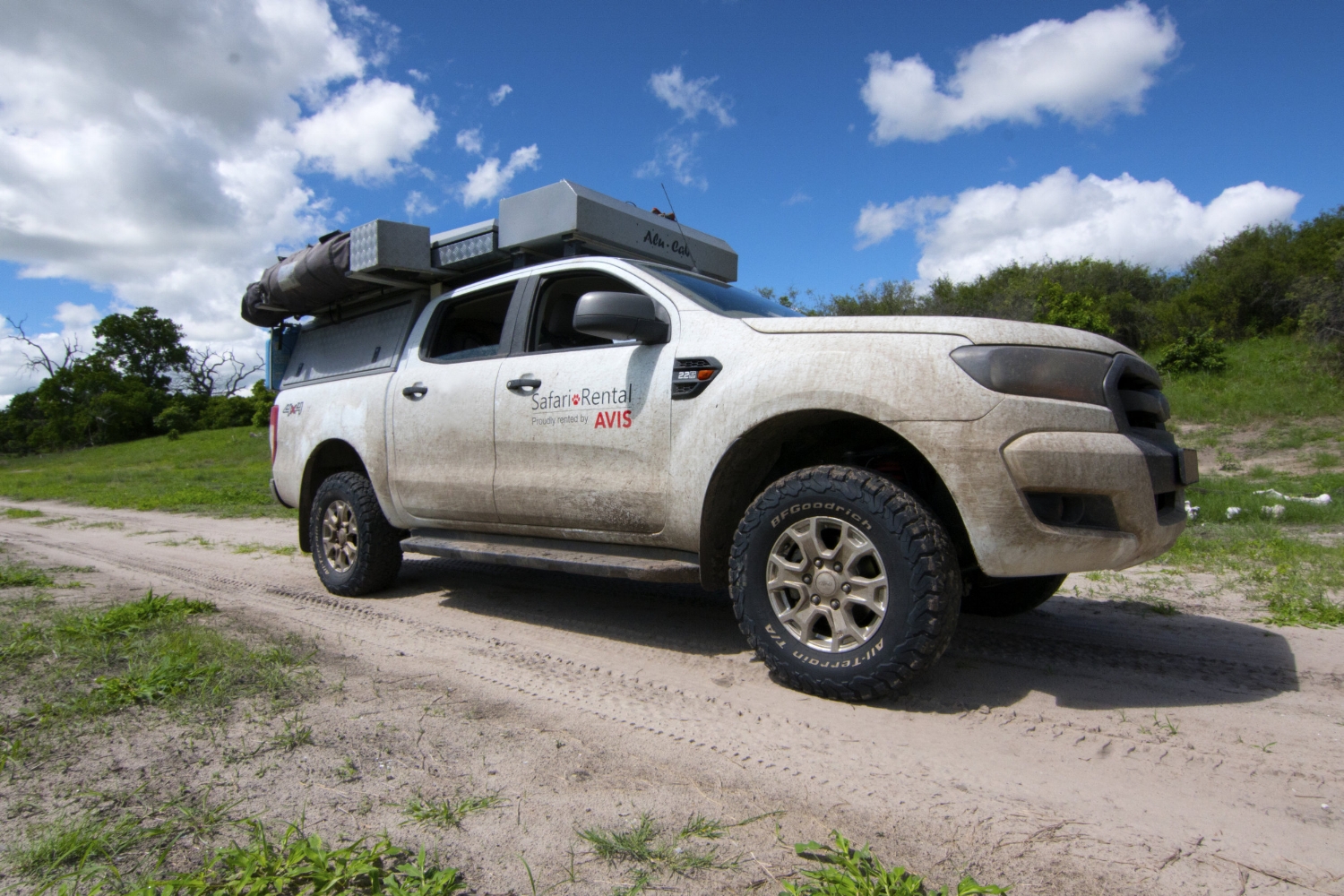
The Running Wild Media team picked up a Ford Ranger from Avis Safari Rental in Windhoek for the four week trek across Africa's greatest wilderness. This ranger was equipped with a two person rooftop tent that "popped" up for easy set up and break down. Another tent attached to the side of the vehicle and is easily removed for ground set up. This tent holds two more people and two cots, which are provided with the rental. The roof top rig come with an awning that is super convenient for blocking out the hot African sun while having lunch or keeping the rain off when setting up for dinner. In terms of dinning, the vehicle includes a folding table, fold out chairs that match the number of people in the party, a side table that attaches to the vehicle (perfect for preparing food) a 90 liter twin refrigerator and freezer and a burner that is connected to the tailgate with it's own propane tank, conveniently hanging on the back of the truck.


When we got ahold of the vehicle, the first thing we did was drive it to the supermarket and load up on beer and ice cream... and maybe some real food, but the freezer was plenty cold enough to keep our ice cream from melting and the fridge was cool enough to keep the milk from spoiling, even in the Namib Desert. The main objective of having the vehicle was to give us the freedom and mobility to film wildlife. We needed to drive great distances between the National Parks and with the big fuel tank included, we could get 800 km's or so between fill ups. In order to get the animal shots we needed, we rigged up a platform on the door of the vehicle and mounted a tripod head, lens, camera and HD monitor to see the shots that we were collecting. While out in the parks, the vehicle handled itself beautifully. We only got it stuck twice, the first time being our fault by not releasing enough air out the tires before tackling the deep sand of the Namib Desert. The other time was when we tried taking on a giant puddle of water that had feet of mud around the water. This one was easy to get out by rocking the car back and forth till the front tire caught some ground and pulled us right out.

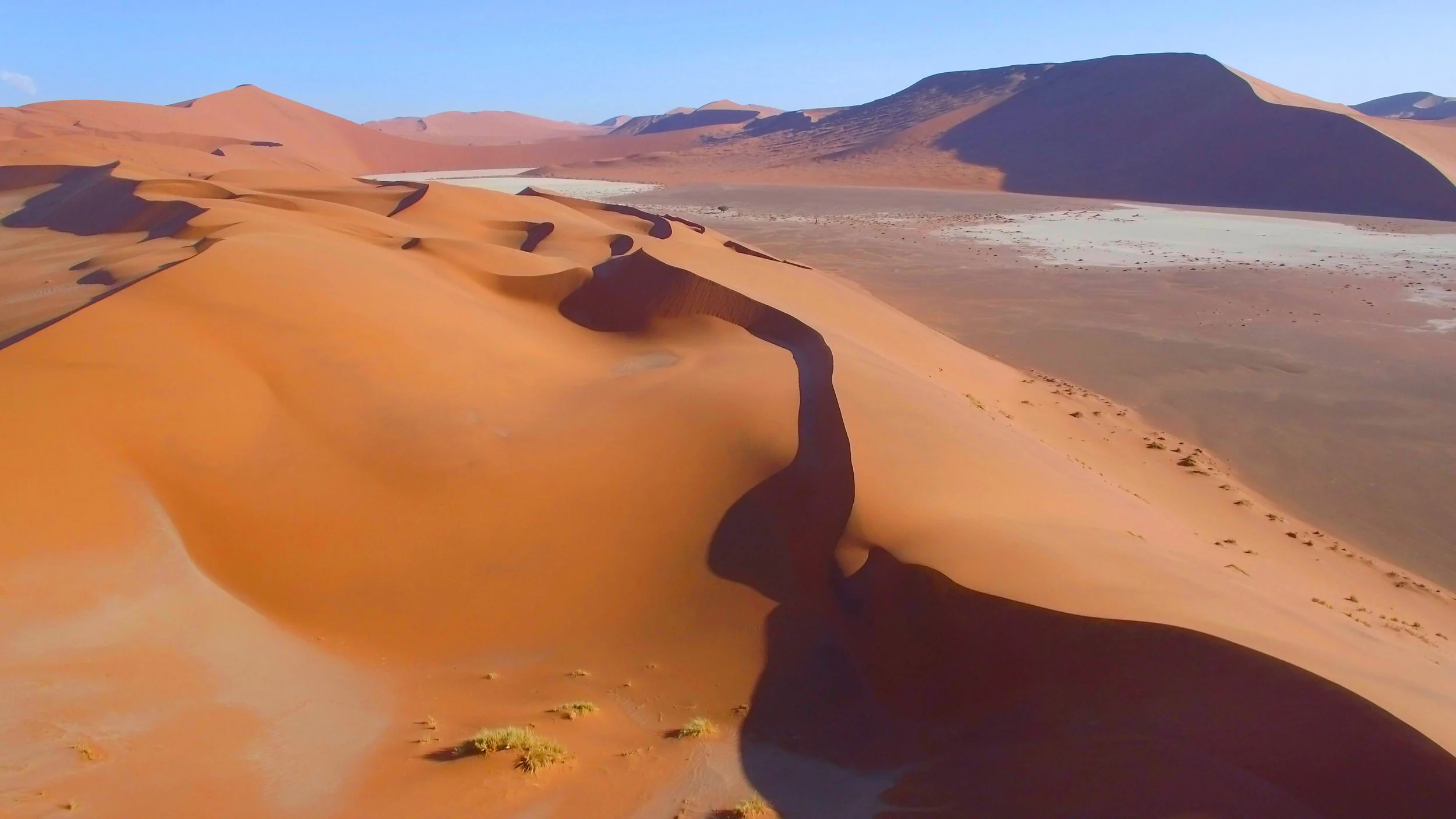
Filming in the Oldest Desert in the World
The Running Wild Media crew made the desert trek across the Namib to film the elusive desert gemsbok. They found gemsbok, spoiler alert, but also found other weird things.
The Namib desert, meaning "vast place," is approximately 1,200 miles long and stretches along the Atlantic Ocean in the country of Namibia. This is thought to be the oldest desert in the world and has some of the largest sand dunes. These dunes regularly change shape, size and location because of the ever blowing winds and can engulf an entire ecosystem in a matter of, well... years. The Running Wild Media crew made the great trek to visit the Namib desert to visit with a fascinating gazelle that calls this arid and hostile environment home.

The sand is so red because of rust and is a characteristic feature of the Namib desert. While filming, temperatures rose to 112 degrees Fahrenheit and the wind blew sand at 30 miles per hour. This made filming extremely difficult, especially when the camera gear was exposed to blowing dust and sand. Despite the major desert obstacles, Co-founder Justin Grubb still managed to have a nice hardy glass of milk and a sleeve or two of Oreo cookies. "Was the best damn cookies and milk I've ever had." - Justin.


This desert was silent, and the immense openness was intimidating. Scattered sparsely throughout the landscape were dead trees and small tufts of grass. The air was the driest air we had ever experienced and sweat would dry up in a matter of seconds. It was crazy to think that a large mammal has adapted to this type of ecosystem. We had our doubts, but the evidence was apparent, every once in a while we would see gemsbok scat or an actual gemsbok roaming around off in the distance. Our goal was to get close to one to take photos and film such an incredible desert dweller.


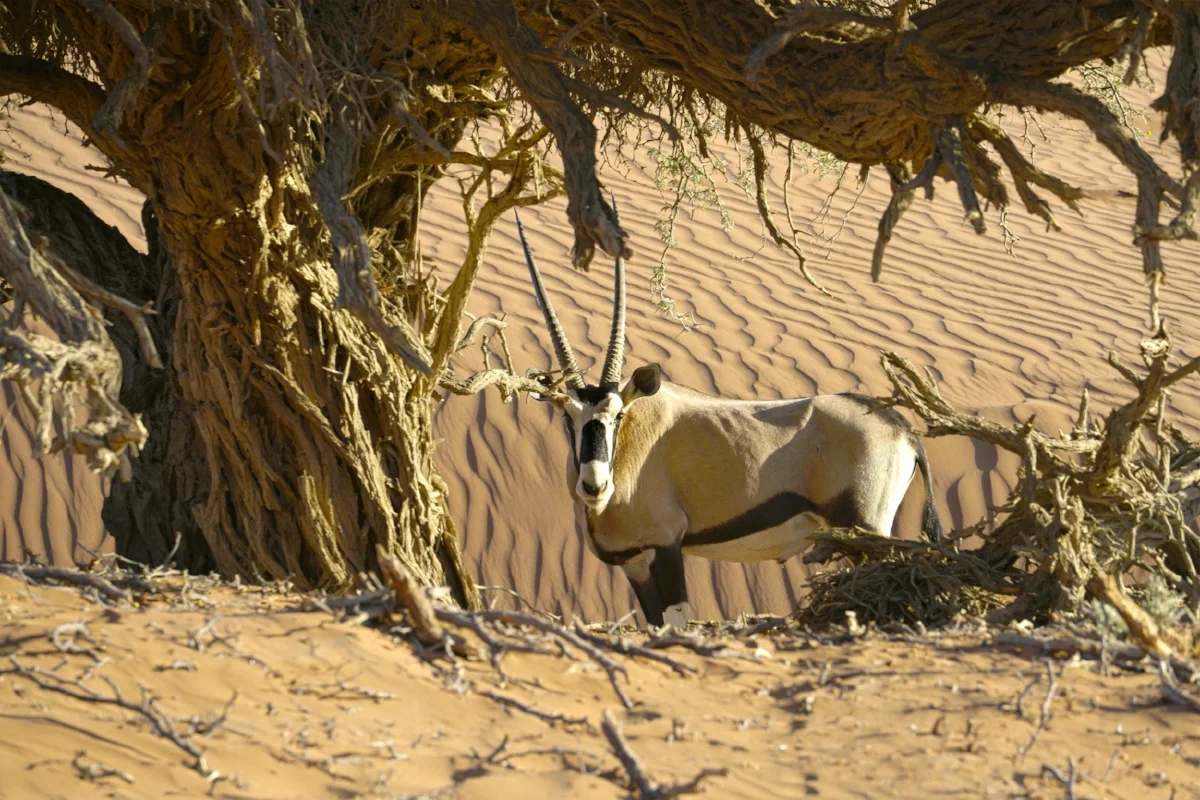
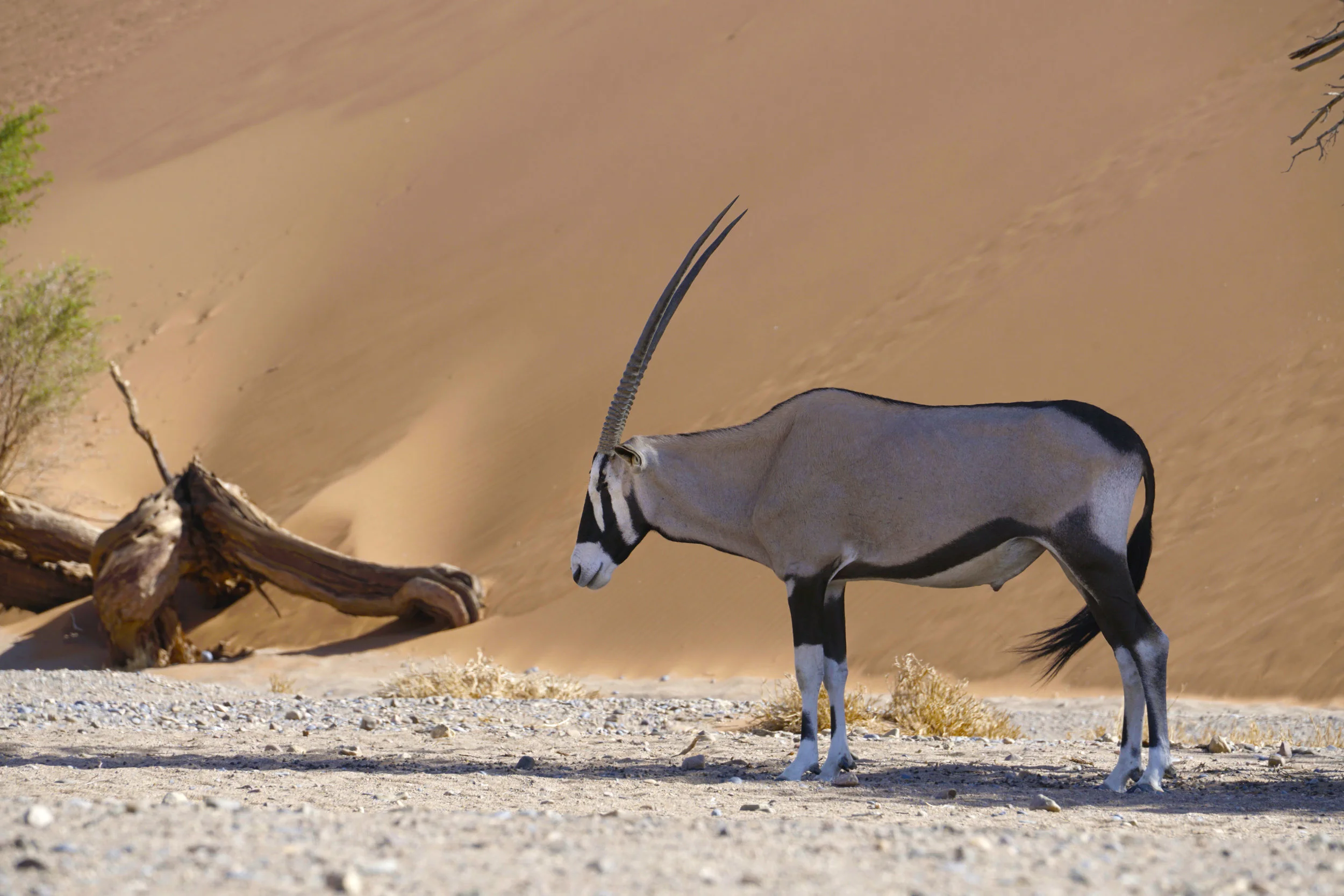
Once we trekked deeper into the desert with our Avis Safari Vehicle, we came across an area with a few trees and grasses. Here we had found the gemsbok haven, everywhere we looked there were gemsbok moving in pairs and seeking shelter from the sun. In fact, during the day, almost all of our gemsbok encounters were in shade under trees. We were cautious when approaching them for photos because we knew they would defend their shade ferociously. While heading to the final destination of the Namib, our vehicle got severely stuck and wouldn't make it across some of the dunes. We kept pushing our vehicle in an attempt to reach the most famous dune Big Daddy. As we were trying to dig ourselves out, we could hear the gemsbok laugihng at us.
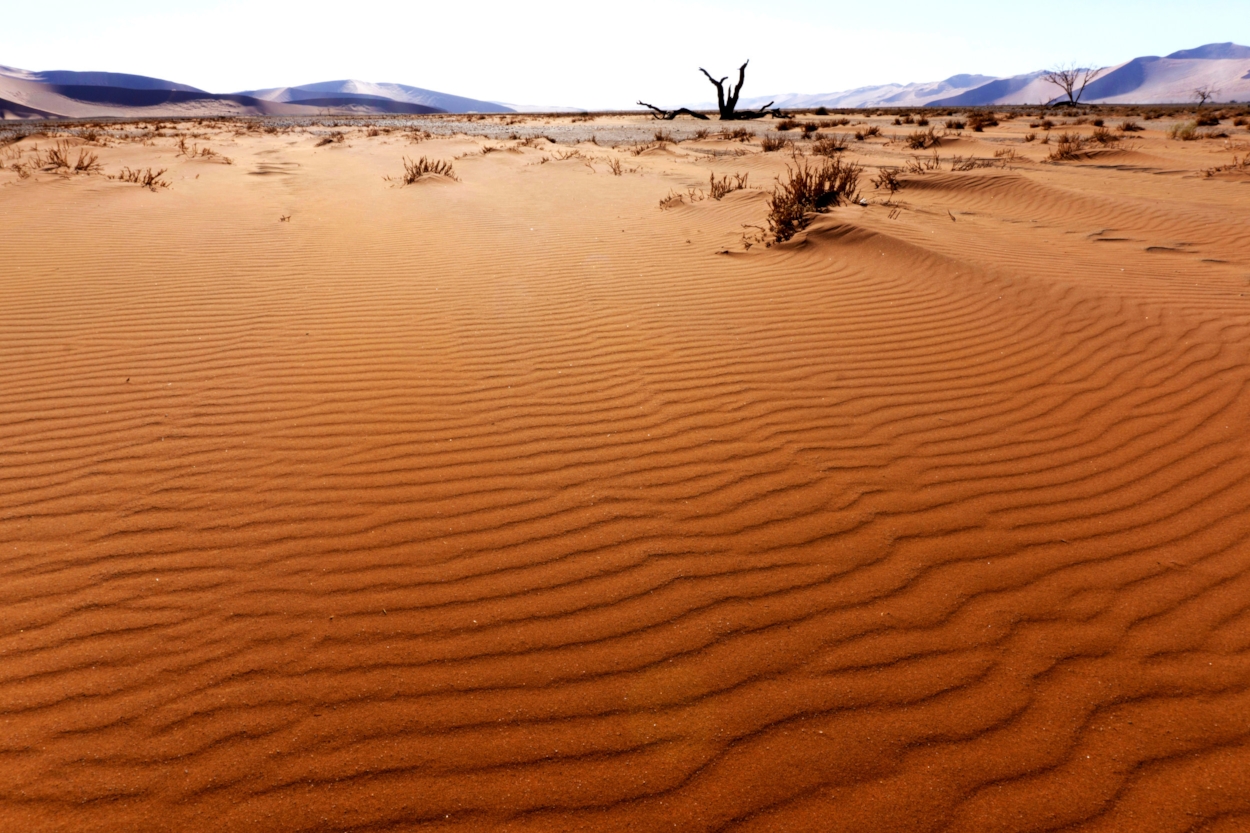
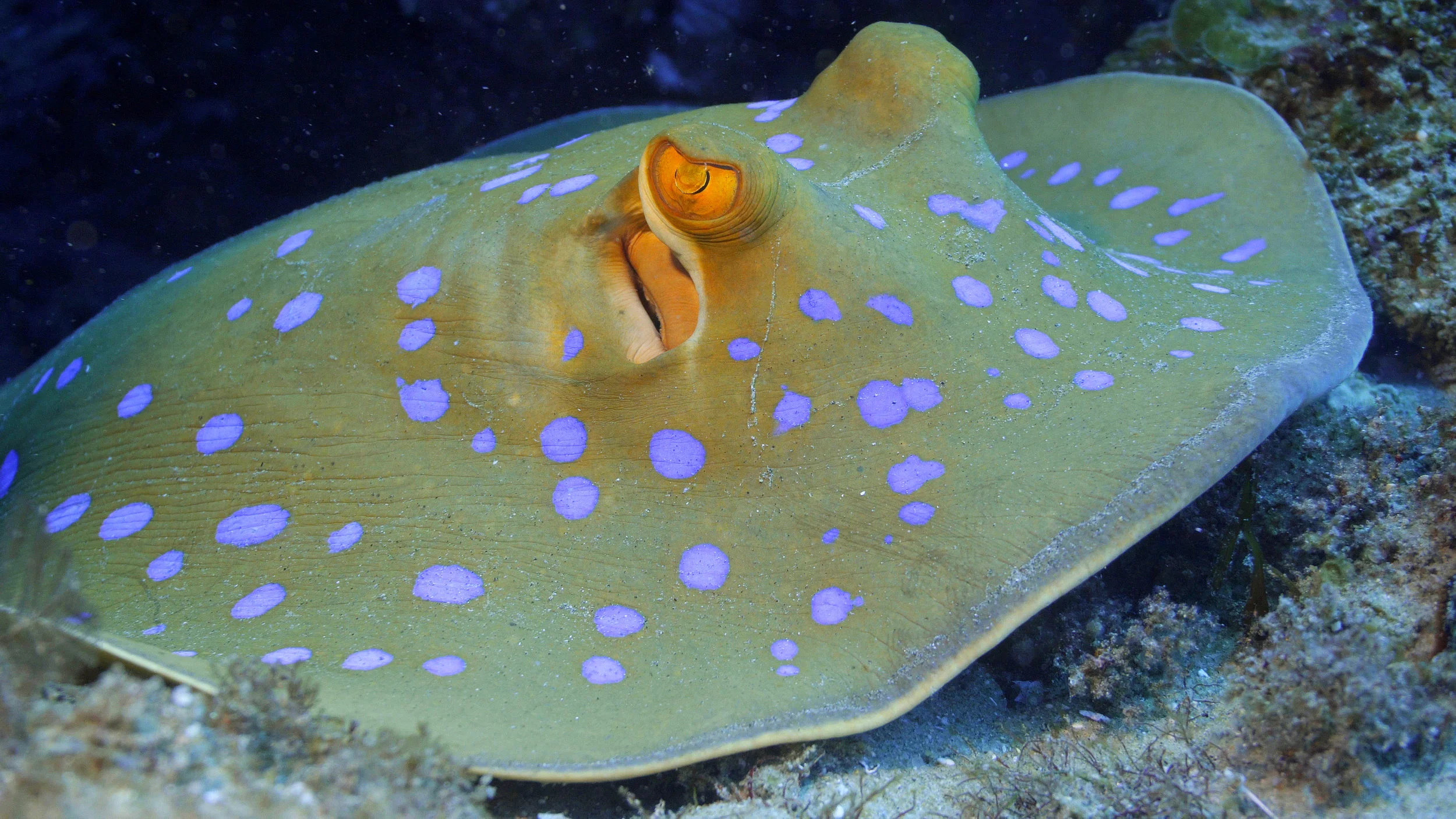
Diving Wild Media in Mozambique
Running Wild Media spent several days scuba diving off the coast of Mozambique to capture the beauty of the coral reefs in the Indian Ocean and to continue the journey through Africa.
Where the hot dry African land meets the cool blue sea of the Indian Ocean, lies a little town called Ponta Do Ouro. This place exists in Mozambique but sits right on the border of South Africa. Getting here is not for the faint at heart and requires a lengthy border crossing process and a long off-road drive through sand dunes. Once there, visitors are rewarded with a bunch of restaurants and souvenir shops. The Running Wild Crew visited for something else entirely, diving the coral reefs.


One of the most prevalent organisms, perhaps more prevalent then on other Running Wild trips, were the green sea turtles that continuously approached us as we were diving around the reefs. Other organisms were common as well such as stingrays, big grouper, schools of fish and dolphins. The deepest dive, which was completed by co-founder Justin Grubb, was 135 feet on the reef wall and had about 15 minutes of bottom time. On this dive, Justin encountered a hammerhead, which was the first time he has ever seen one in the wild.


Perhaps wilder then the reefs around Ponta Do Ouro, was the way the divers got to them. There were no docks in Ponta Do Ouro, so boats had to be pulled to the beach by tractors, the pushed into the water by the team of divers. In most cases, the boats were huge rubber zodiacs that held around 20 divers and had twin engines so pushing them in was no easy feat. Once the boat was pushed around to face the water, all 20 divers had to cooperate to push it into the surf as waves pushed the boat back to shore. Once overcoming the tide, the divers had to jump in, one by one and clamor around until they found their seat. Putting gear on while on these boats seemed even more difficult, with 20 people all moving around trying to get their gear on, finding any space to do so was nearly impossible. Once the dive was completed and the divers pulled themselves up nearly 4 feet out of the water back onto the boat, the next stage of the adventure just began. Once again, since there are no docks along the beach, the only way to get the boat were it needs to go, is to ride a wave coming in, then gun the engine to ramp off the wave and on to the beach with a boat full of people and divers. Instructions were clear, hold onto something, you didn't want to be the one flying off the boat as it was midair hurdling towards sand.


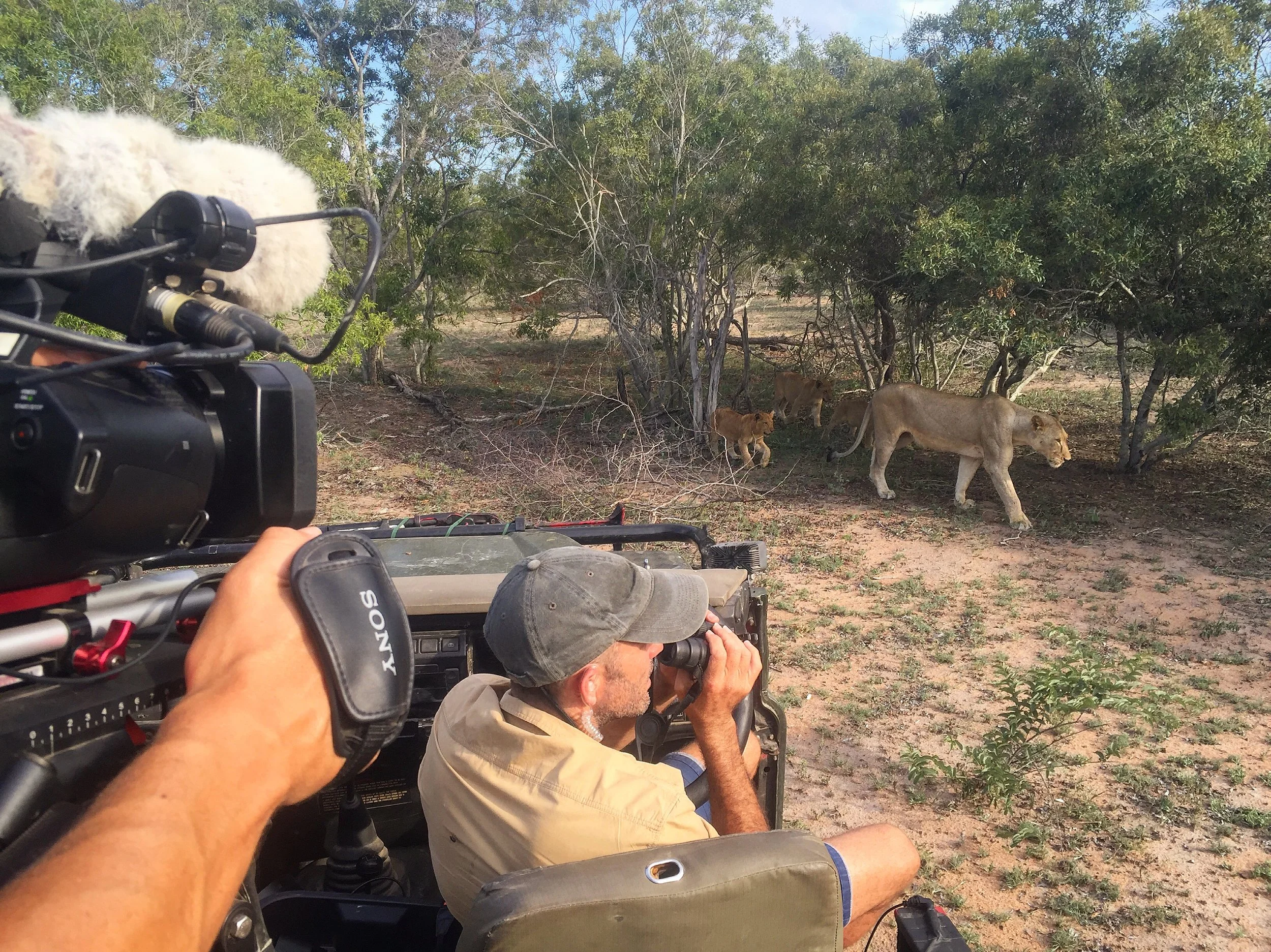
On assignment with Nat Geo Wild
Running Wild Media's Co-founders Alex Goetz and Justin Grubb went to South Africa for an assignment with Nat Geo Wild and spent a week with Safari Live.
11/30/2016 - Running Wild's Co-Founders Alex Goetz and Justin Grubb Traveled to the Djuma Game Reserve in South Africa to film promotional material and behind the scenes of WildEarth's brainchild "Safari Live.' This show takes viewers on a live safari twice a day for four hours and is filmed entirely in the bush. Safari Live has a small group of wildlife presenters, cameramen and a whole team that runs the "mission control" center which allows the live broadcast of the show. While on assignment, Running Wild Media went on constant game drives looking for wildlife and spent eight days with the amazing WildEarth team.

"This ain't your average everyday safari." Justin Grubb joined Nat Geo Wild presenter James Hendry on a live broadcast and found himself surrounded by a pride of lions.
The time spent in Djuma was full of excitement and unforgettable memories. On the first day of arrival, Alex and Justin got to see elephants and white rhinos for their first time ever in the wild. "As we were driving through the bush, our guide thought he heard the squeak of a rhino baby, but as we turned the corner, there were two full grown males fighting with each other." While observing this rare behavior and noticing the battle scars left on the rhinos, Alex commented, "Stop don't you guys know you're endangered?" The trip had more heart stopping moments, like when a young bull elephant started sizing up the safari truck the crew was in and got too close for comfort for some people. The crew also got to witness a mother leopard named Karula drag a baby impala across the bush to her cub and watched as the cub pounced on and played with the body of the impala as if it were a giant furry cat toy. One of Justin's favorite moments is when, on a safari drive, there was a giant pile of fresh rhino dung on the ground covered in dung beetles. Justin wanted to film the beetles and asked to get out with the camera. The guide gave him permission and as Justin was about to leave the vehicle, two large white rhinos came out of the treeline just feet from the vehicle. "It is a damn good thing I wasn't out of the vehicle at the point, who knows how they would have reacted." Animals in popular safari spots are habituated to vehicles, but once a person leaves the vehicle, the animals typically react as if there is a predator on the loose.


Safari Live in an important show because it gives viewers the opportunity to experience a true safari from the African bush miles away in the comfort of their home. Not everyone can go on safari, but with the current benefits of technology, one can go on the next best thing, a virtual one. This generates an interest in the lives of the animals portrayed on the show by thousands of viewers and spreads awareness of the conservation issues facing this region. When people have a love for an animal or a species, they are more willing to act to protect it, even if it is half a world away. Another important lesson for viewers of Safari Live is that these animals are wild and are not taken care of by anybody. If a lion cub is dying, it does so with no intervention by humans, assuming the death is not caused by human intervention in the first place. Presenters admit, it is difficult to watch nature take its course, but it is a vital part of the evolution of life and what has made the Djuma Game Reserve such an amazing place.
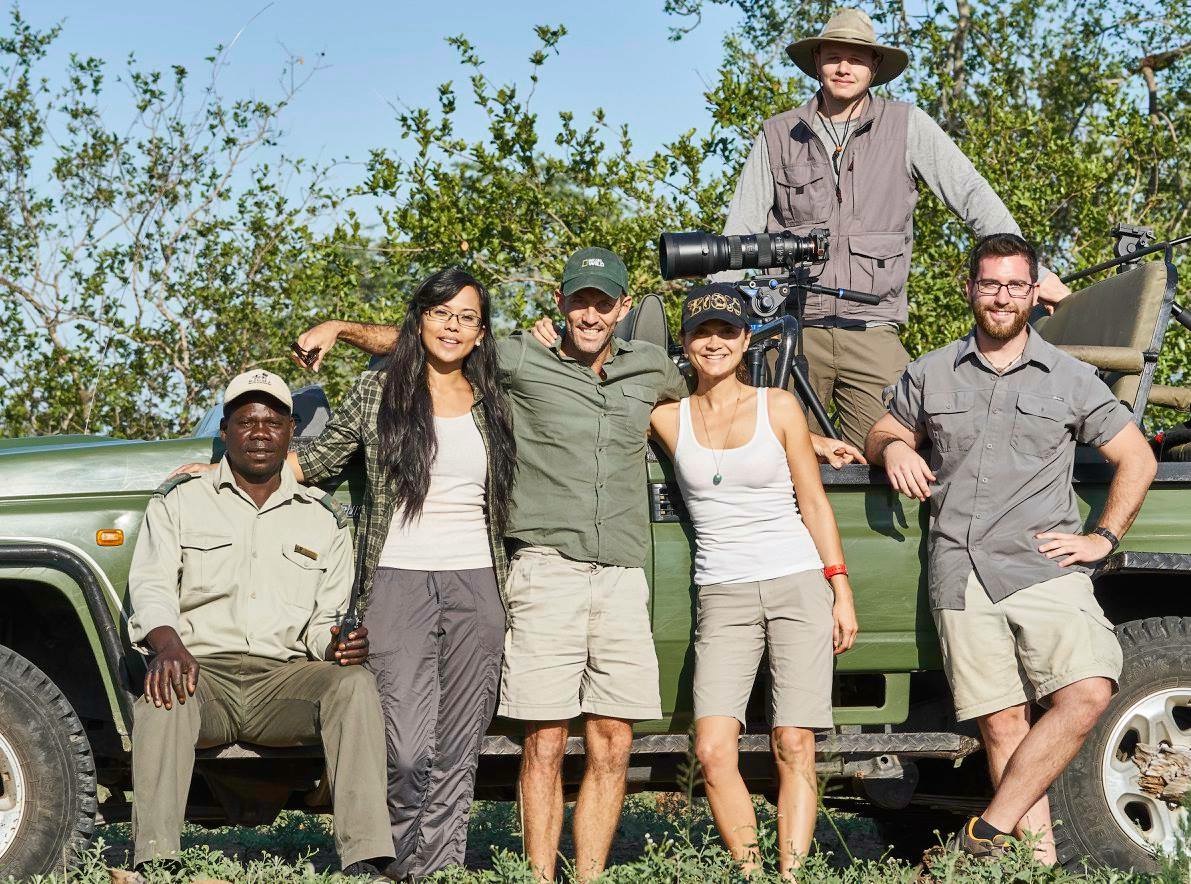
Photo by Niki Nilchian
With the conclusion of their assignment in South Africa, Goetz and Grubb will continue their journey in Africa and will head to Mozambique, Namibia and Botswana to continue filming wildlife.