
On Assignment: Into the Arctic
ARCTIC NATIONAL WILDLIFE REFUGE
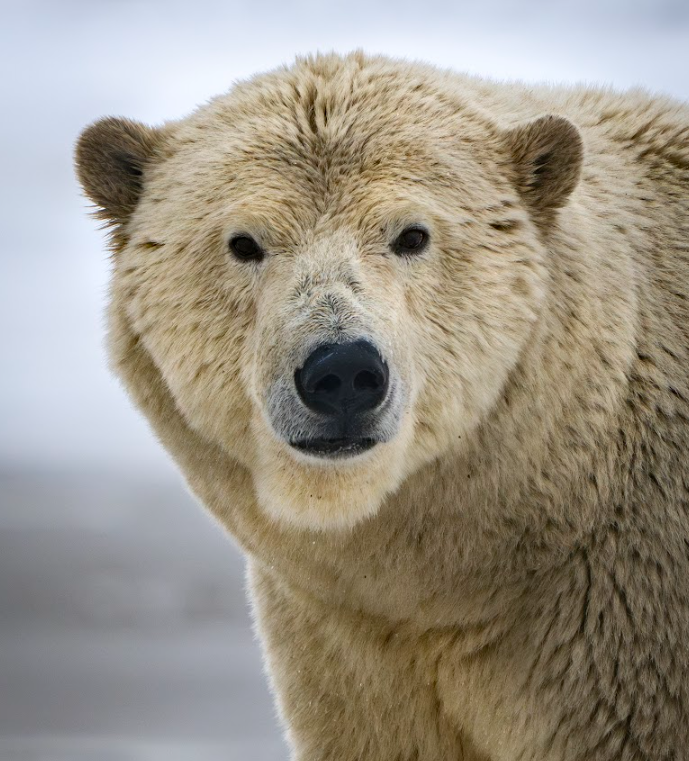
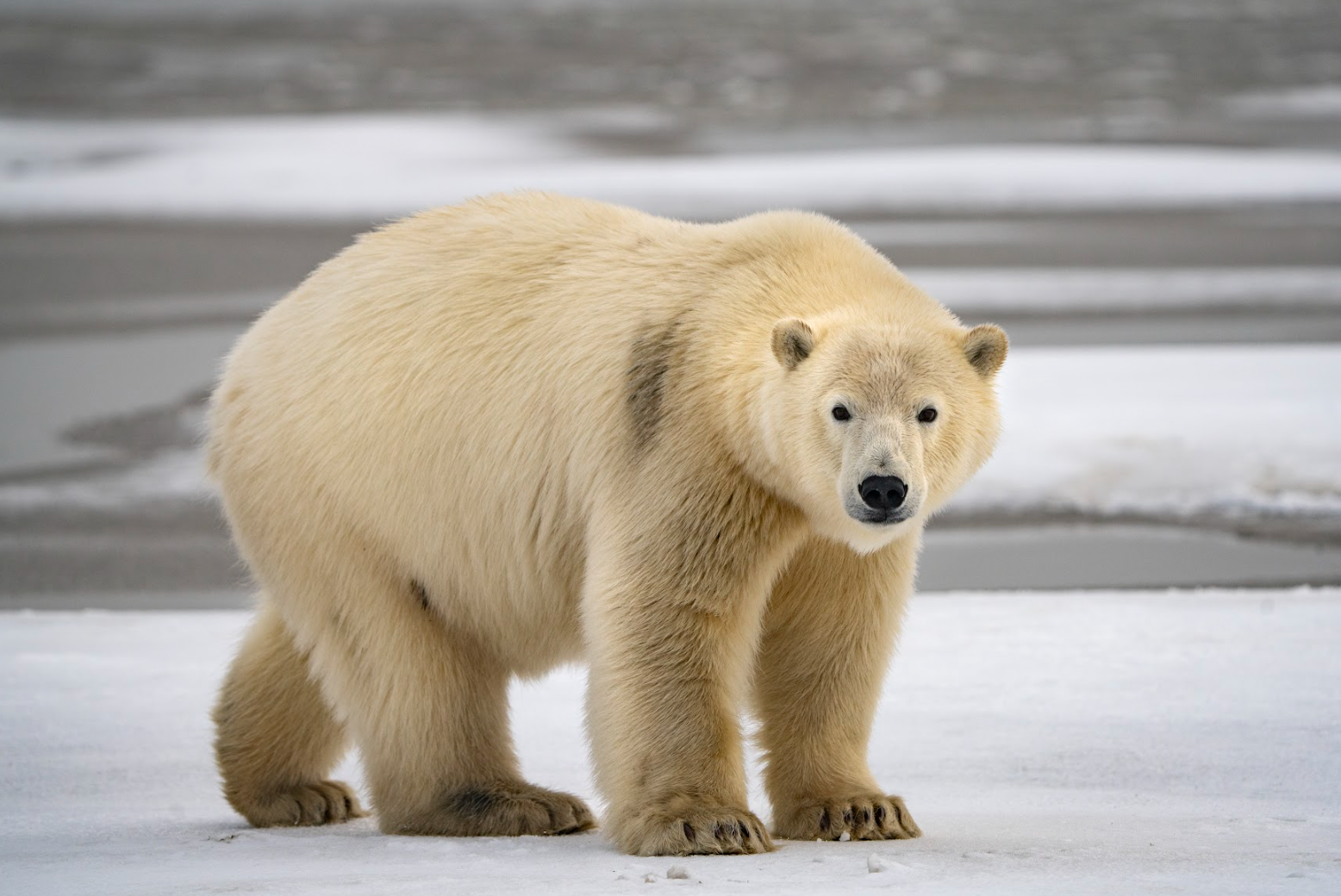
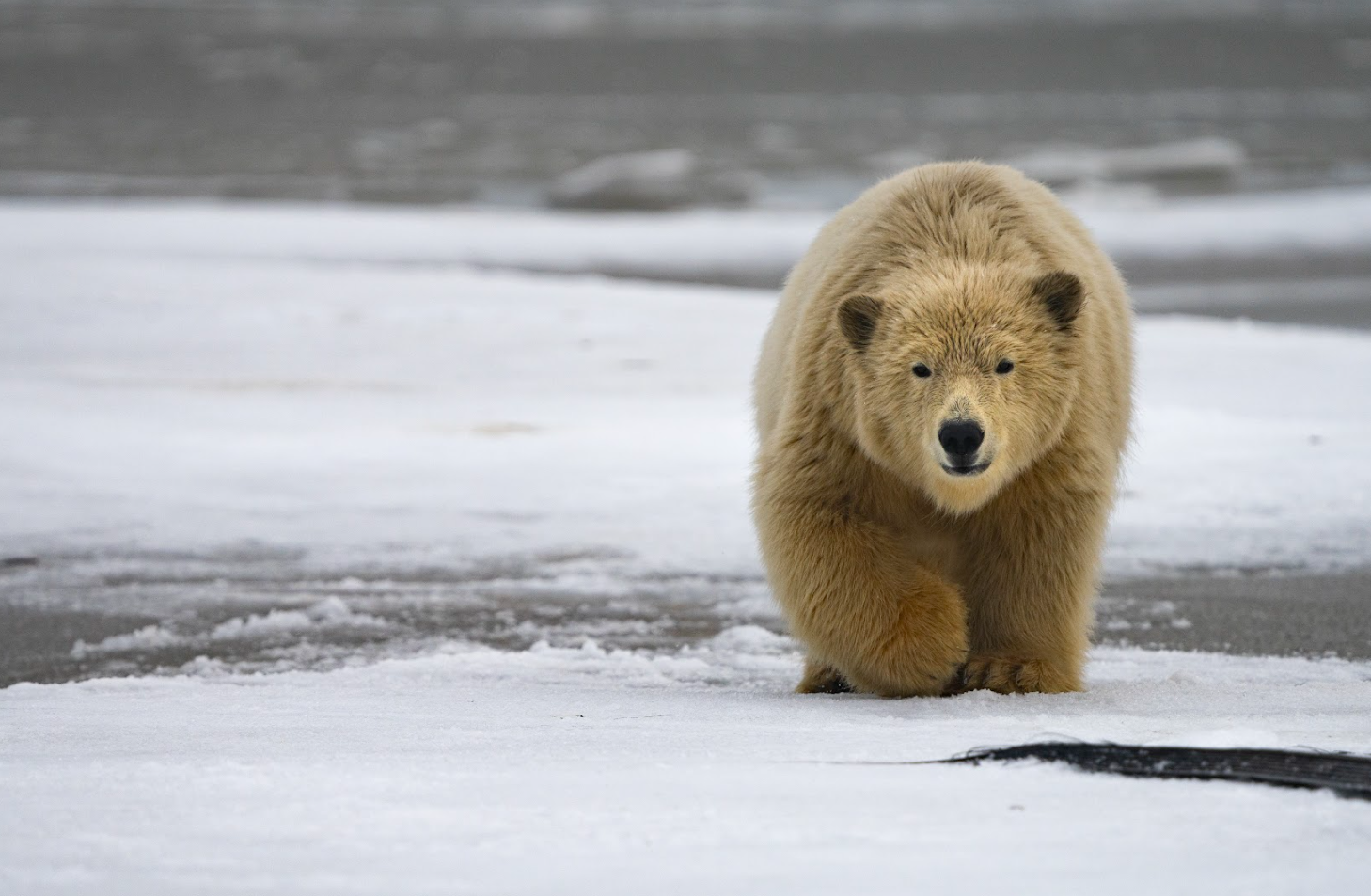
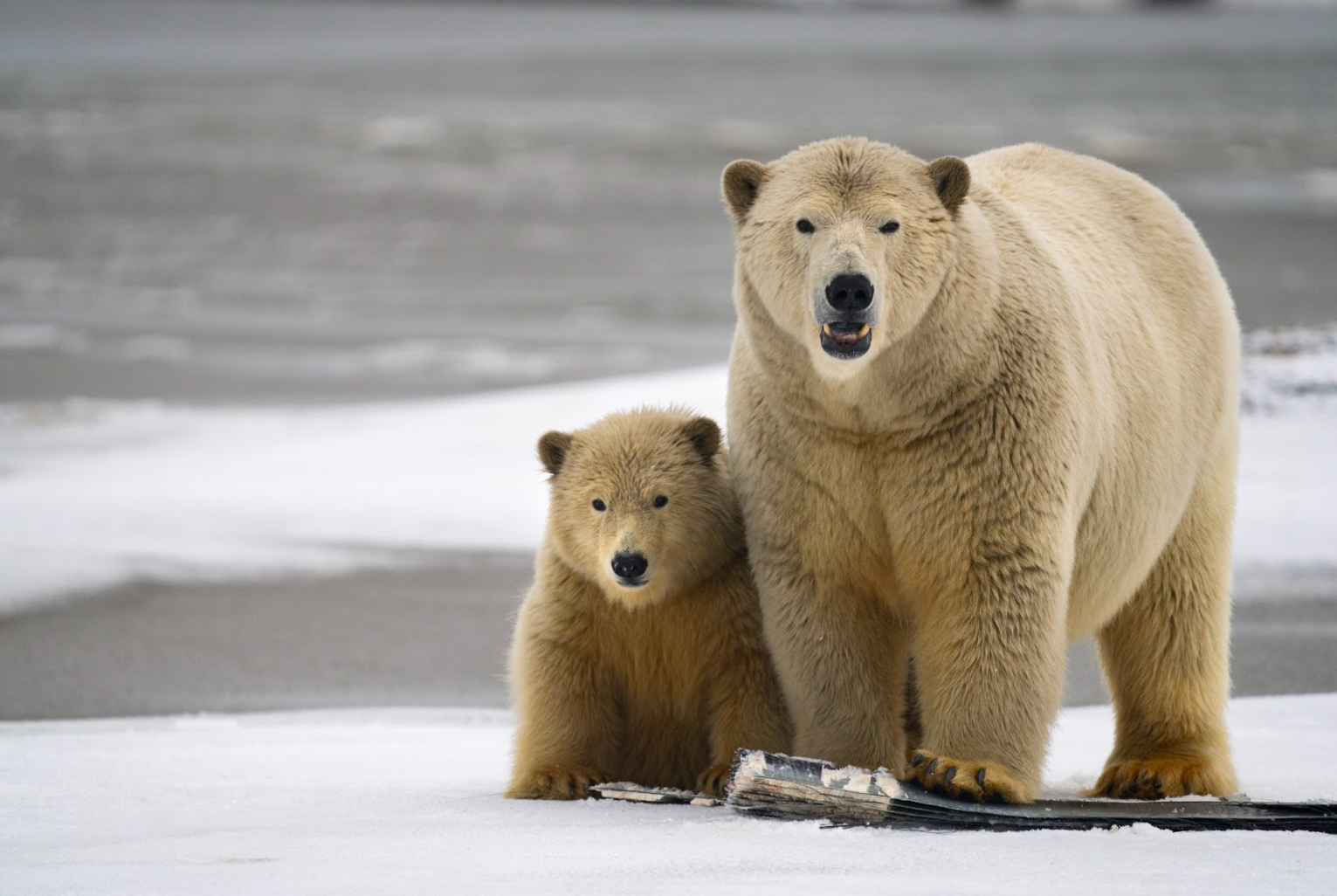
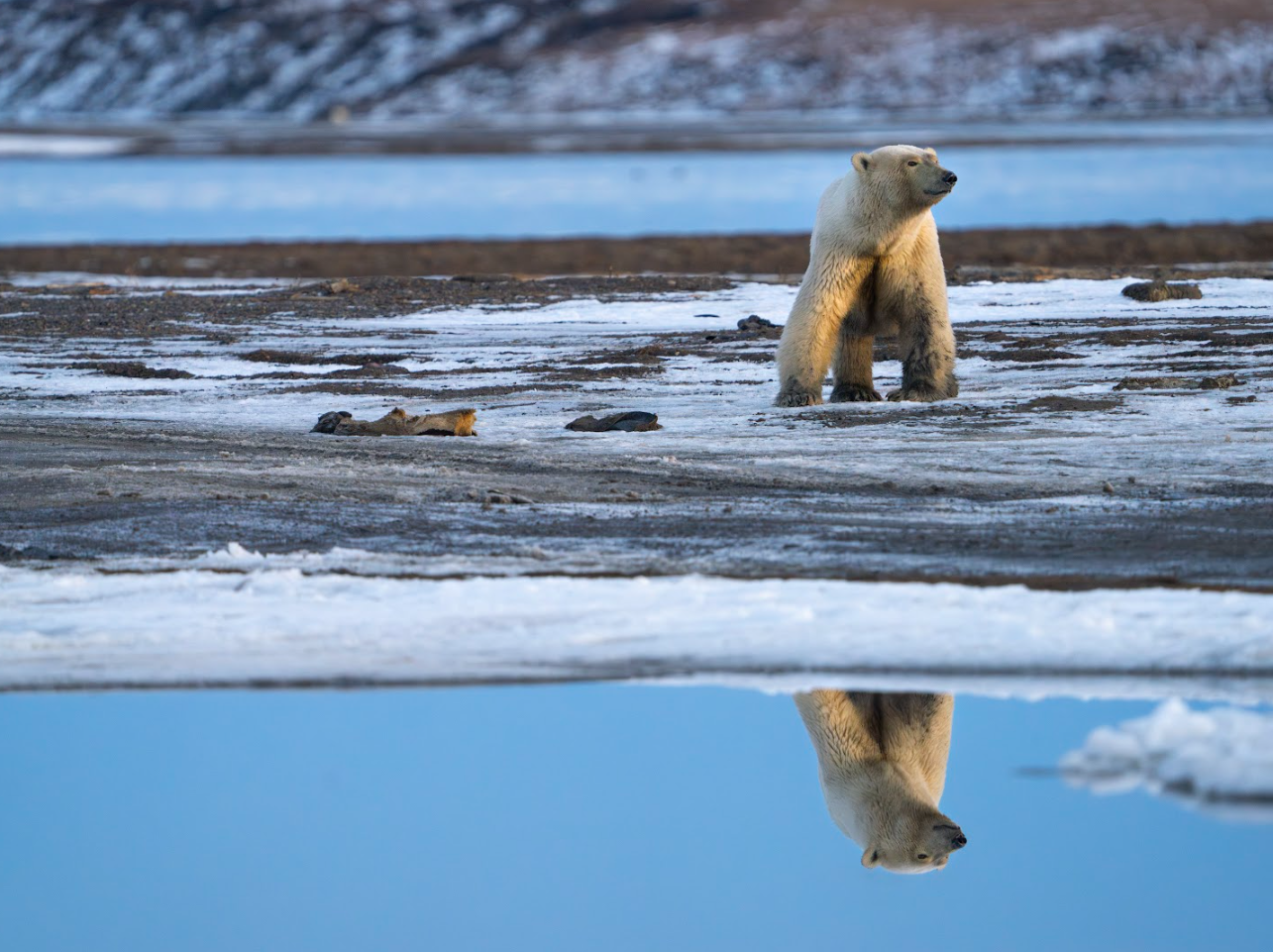
In an effort to help protect the Arctic National Wildlife Refuge and the polar bears that depend on it, the Running Wild Media team traveled to Alaska’s North Slope to support a noninvasive polar bear population survey. Working alongside scientists, the team assisted with efforts to identify individual bears using high-resolution photography and emerging AI-based facial recognition tools. This approach allows researchers to monitor population size, movement, and health without physically capturing or marking bears, methods that have historically been stressful, costly, and logistically complex. By relying on visual identification, scientists can gather critical data while minimizing disturbance to one of the Arctic’s most iconic species.
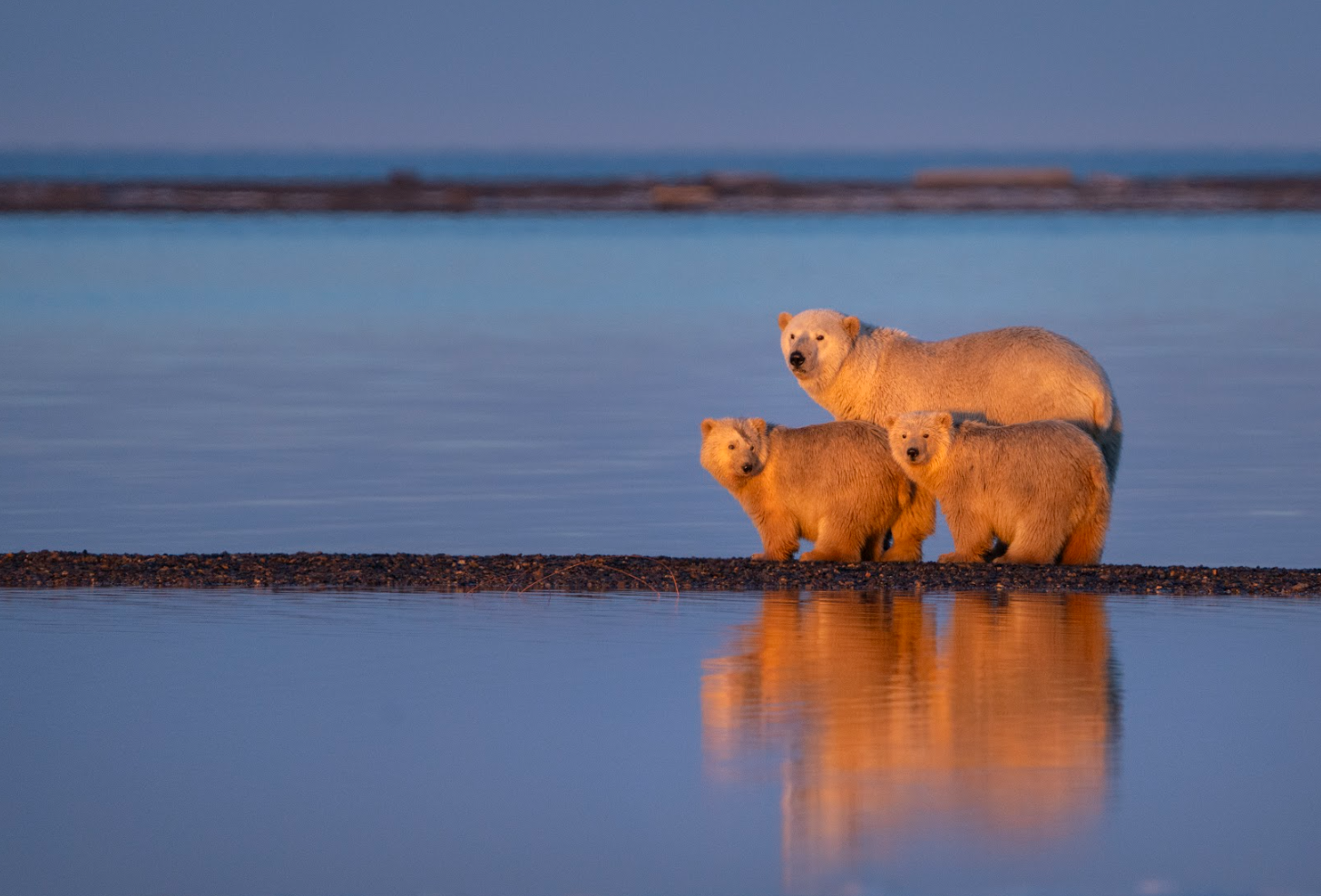
The team also documented the Southern Beaufort Sea polar bear population, widely regarded as one of the most imperiled polar bear populations in the world. Rapid sea-ice loss has forced bears to swim longer distances between land and ice, increasing the risk of exhaustion, reduced hunting success, and mortality—especially for cubs. In addition to supporting research, Running Wild Media gathered visual assets to highlight the growing threats posed by oil and gas development on the North Slope, where industrial expansion places additional pressure on an ecosystem already stressed by climate change. These images and stories are intended to inform the public and support efforts to prevent drilling in sensitive Arctic habitats.
To capture these moments responsibly, the team worked closely with members of the local community and field experts, relying on their deep knowledge of the landscape and wildlife behavior. Together, they positioned themselves safely and ethically to witness the world’s largest terrestrial carnivore navigating the ice and frigid waters—offering a rare and powerful look at both the resilience of polar bears and the mounting challenges they face in a rapidly changing Arctic.
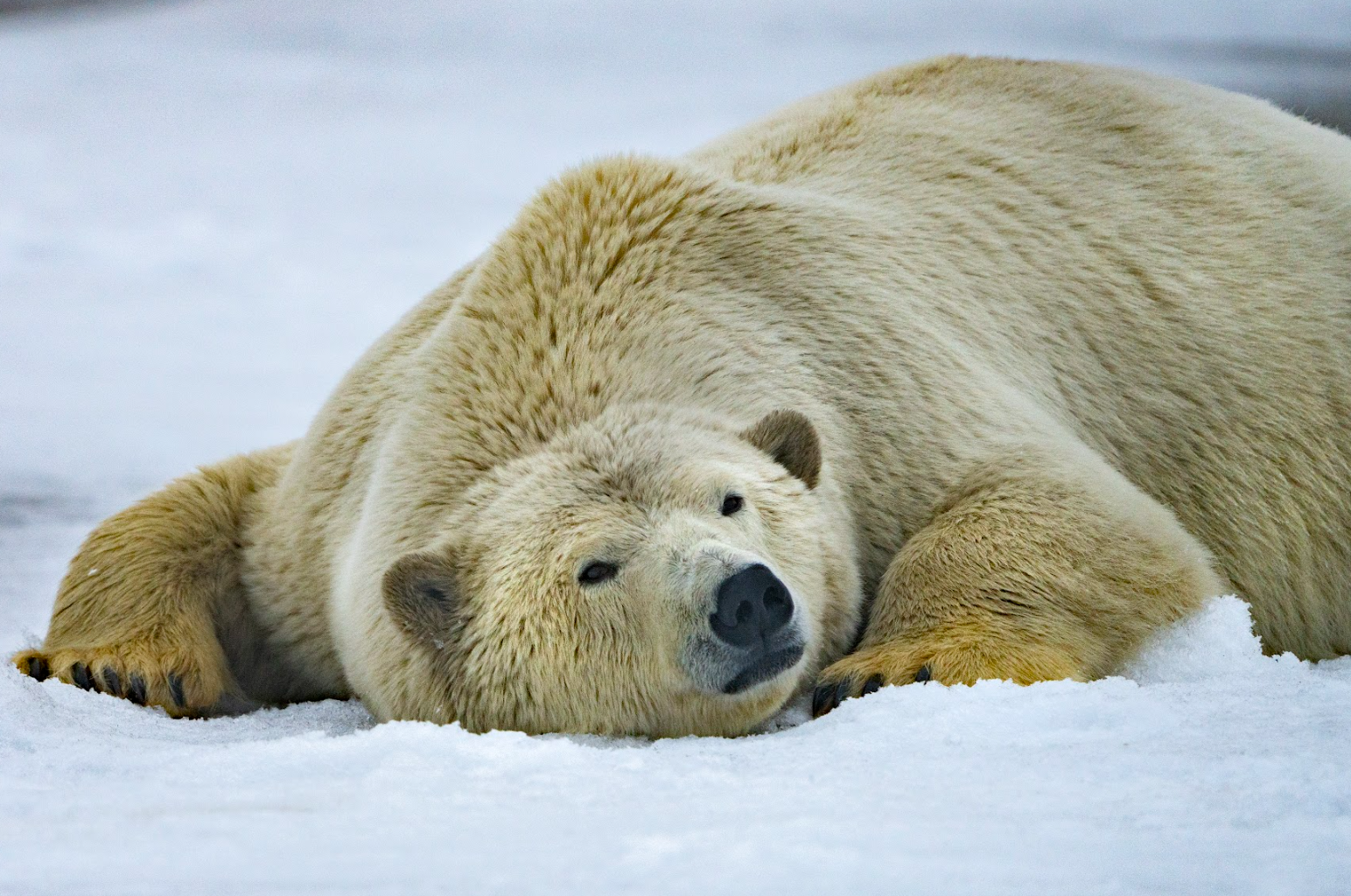
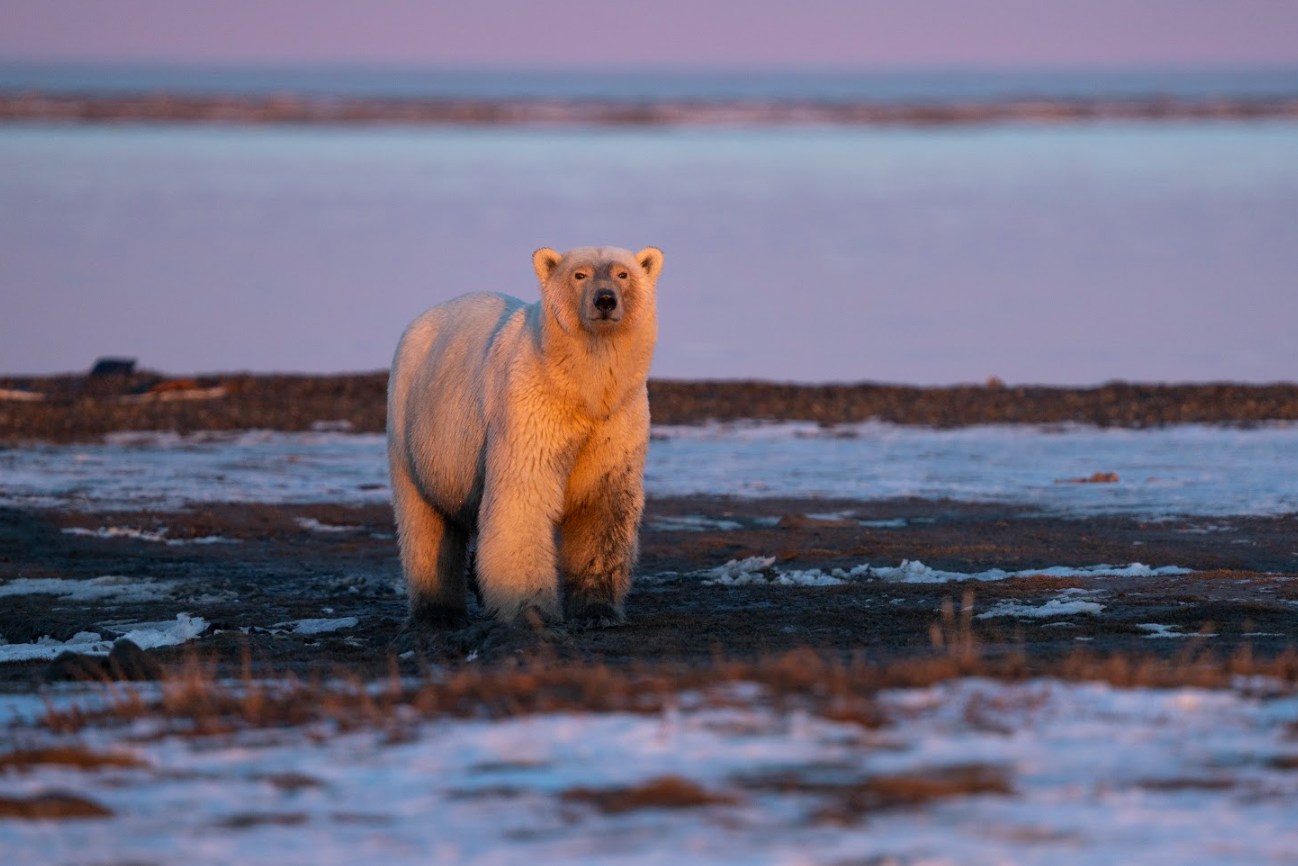
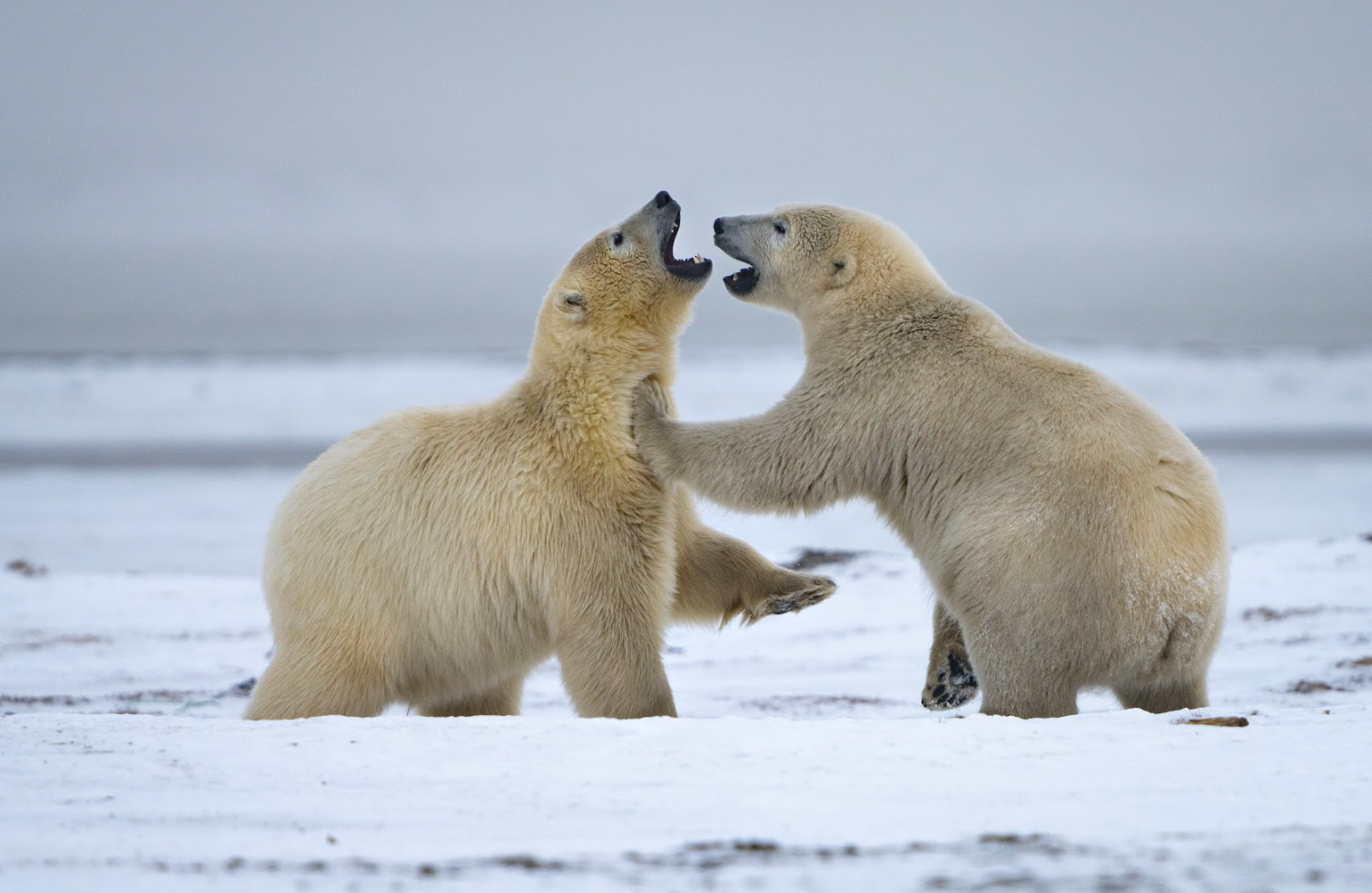
Polar bears in Alaska are the largest land carnivores on Earth, with adult males typically weighing 900–1,400 pounds and standing up to 10 feet tall on their hind legs, while females are smaller, usually 600–700 pounds. They are highly specialized marine mammals, relying primarily on ringed and bearded seals for food, which they hunt from sea ice using patience, stealth, and an exceptional sense of smell. Polar bears are strong swimmers, capable of traveling long distances between ice floes or from ice to land when sea ice retreats. In Alaska, they spend much of their lives on the sea ice of the Beaufort and Chukchi Seas, using it as a platform for hunting, resting, and traveling. Solitary by nature, polar bears typically come together only to mate or when mothers are raising cubs, which are born in snow dens during winter. Their survival is closely tied to the presence of sea ice, making them especially vulnerable to climate-driven changes in the Arctic.
ABOUT DEFENDERS OF WILDLIFE
This work conducted on assignment for Defenders of Wildlife, a national nonprofit organization dedicated to protecting imperiled species and the habitats they depend on. Their work spans policy advocacy, on-the-ground conservation projects, and community engagement, with a focus on balancing the needs of people and wildlife. From safeguarding corridors for species like wolves, panthers, and grizzly bears, to addressing climate change and habitat fragmentation, Defenders partners with local communities, scientists, and policymakers to ensure wildlife can thrive across North America.
