
On Assignment: Protecting Alaska’s Wilderness In Izembek NWR
IZEMBEK NATIONAL WILDLIFE REFUGE
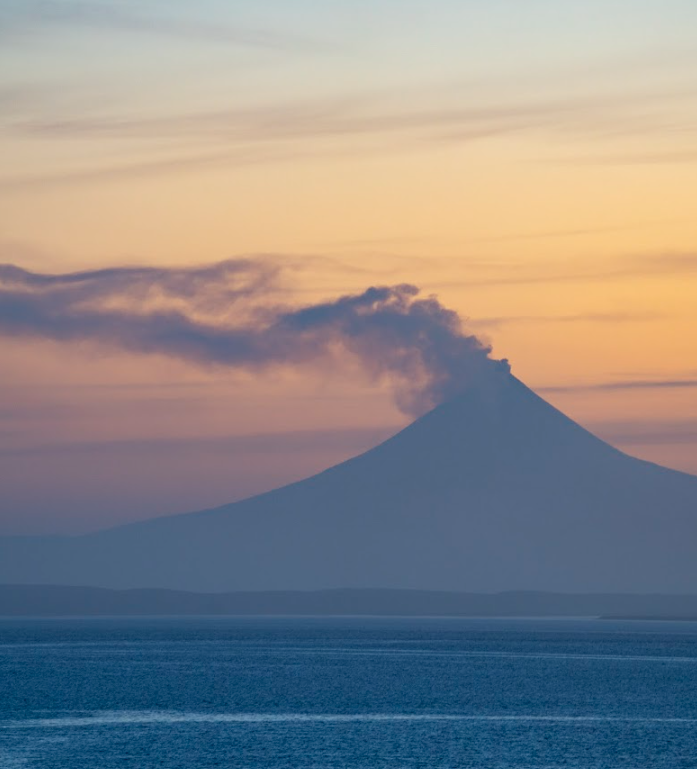
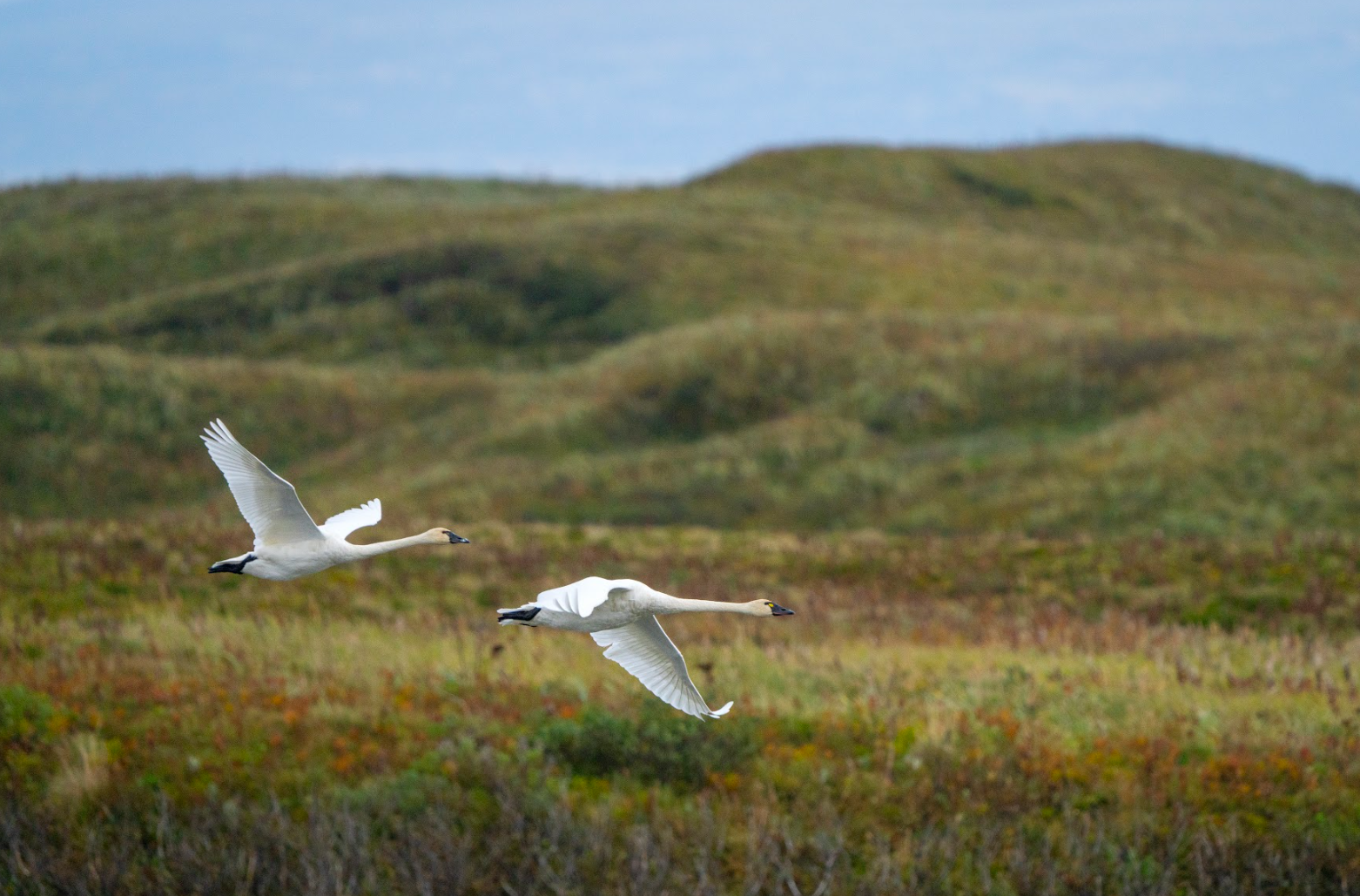
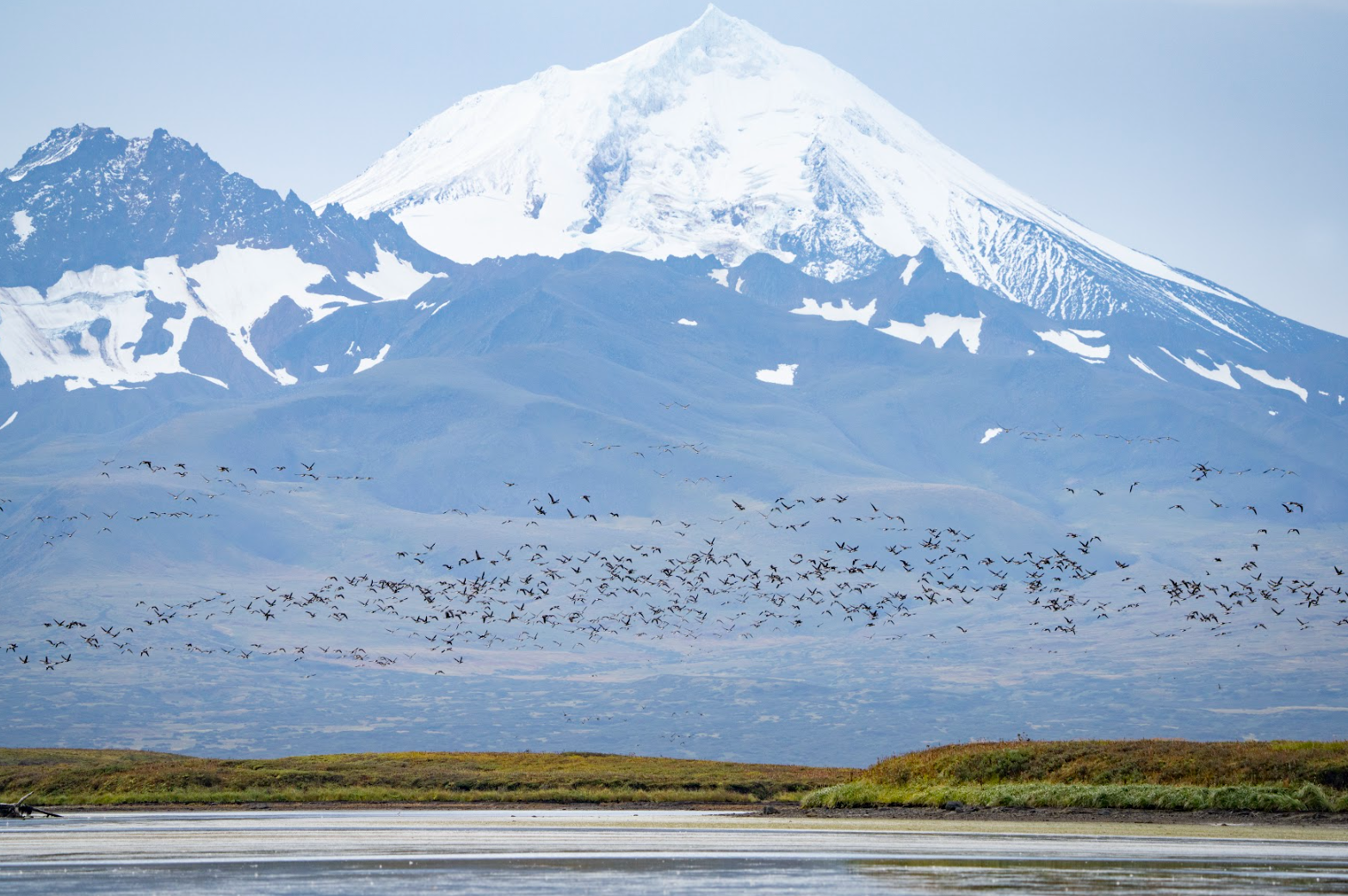
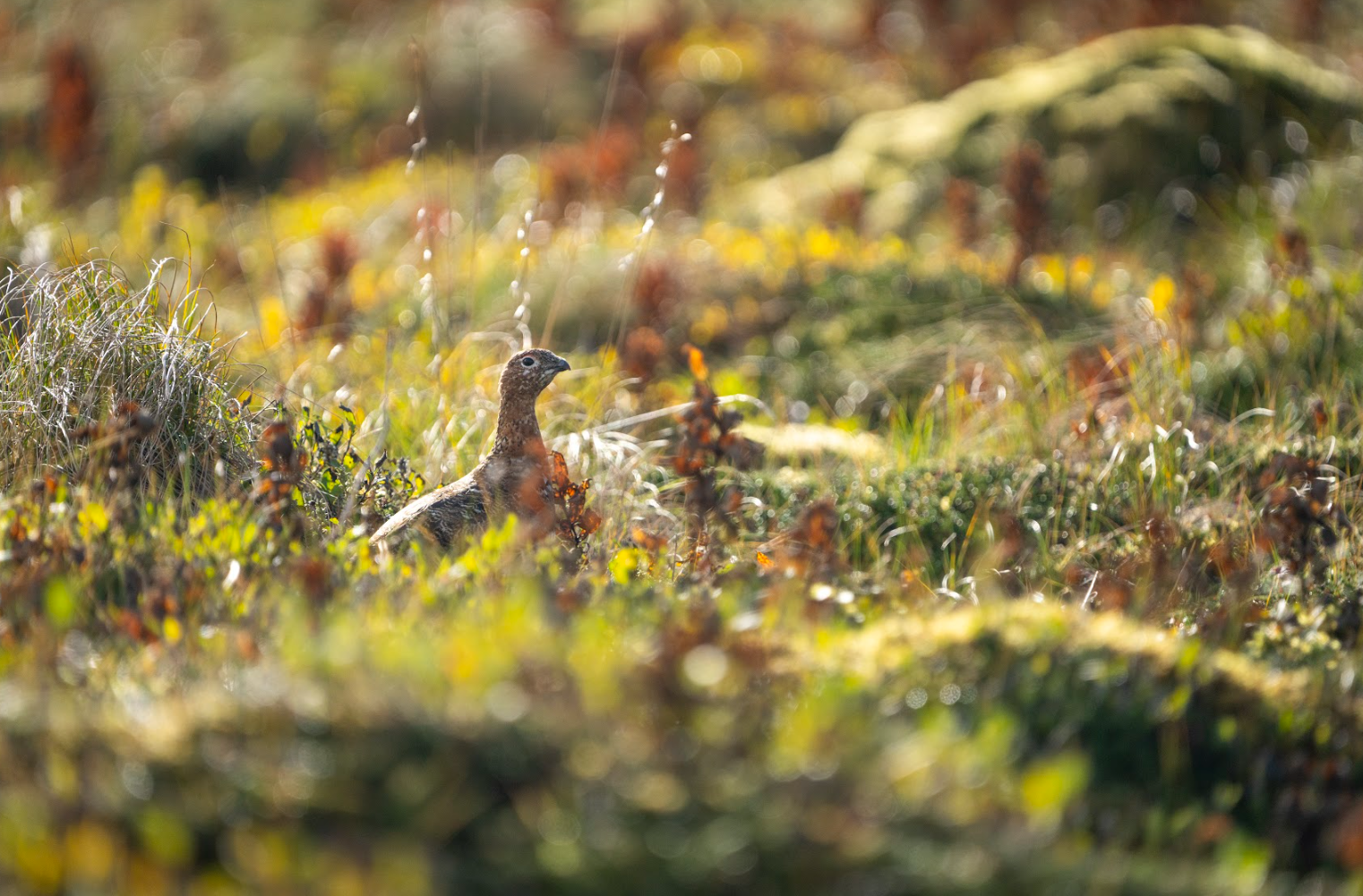
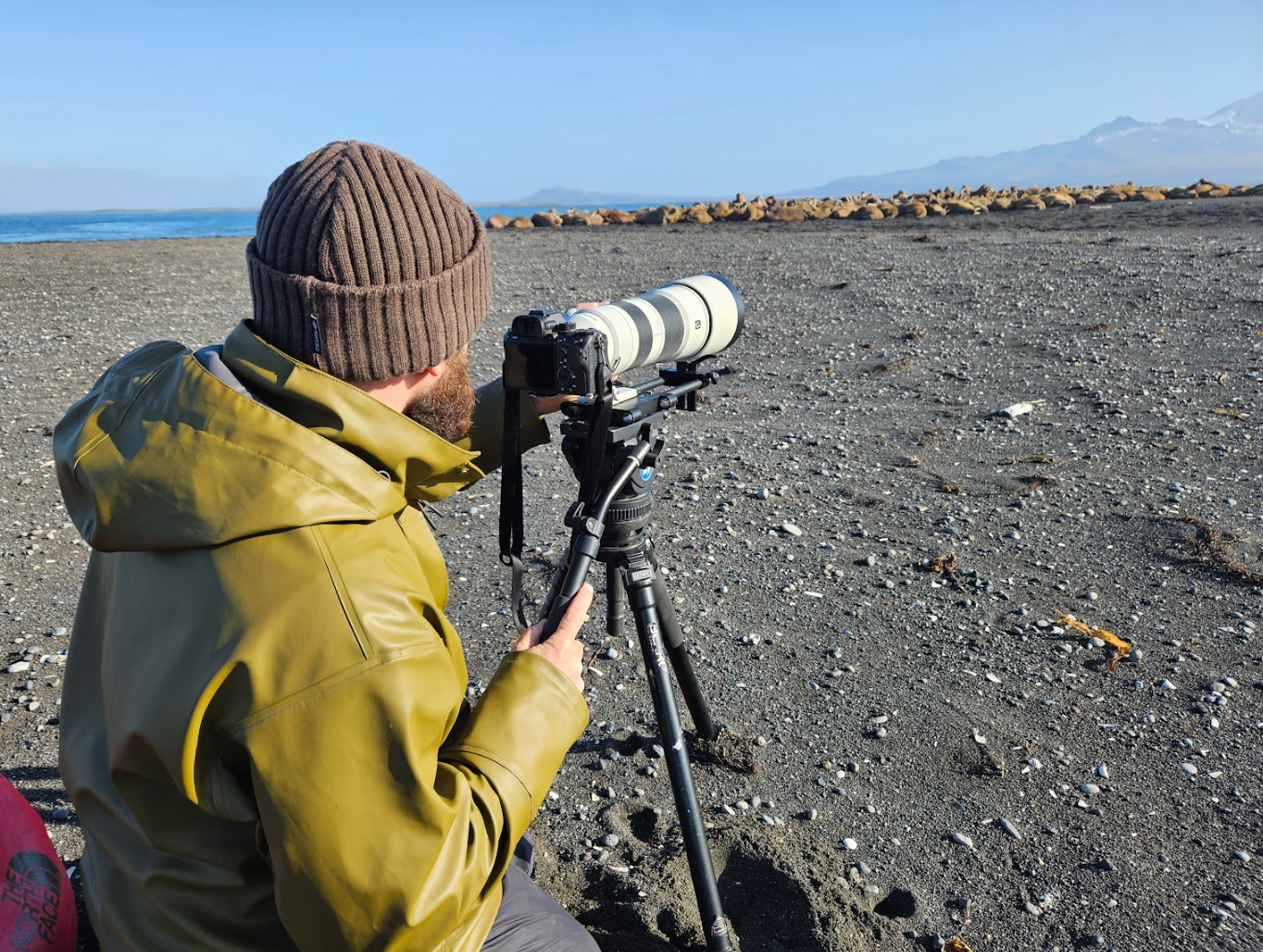
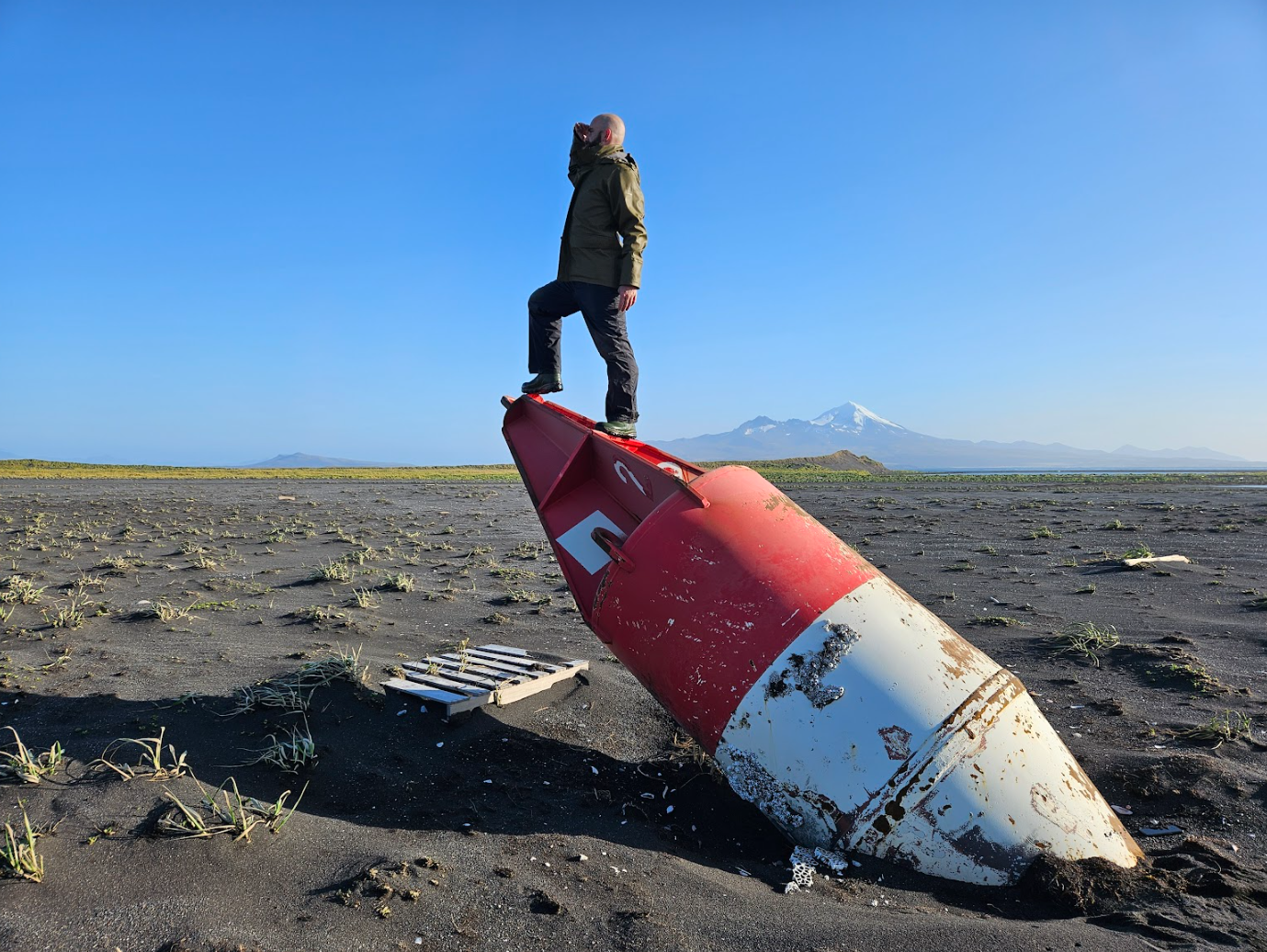
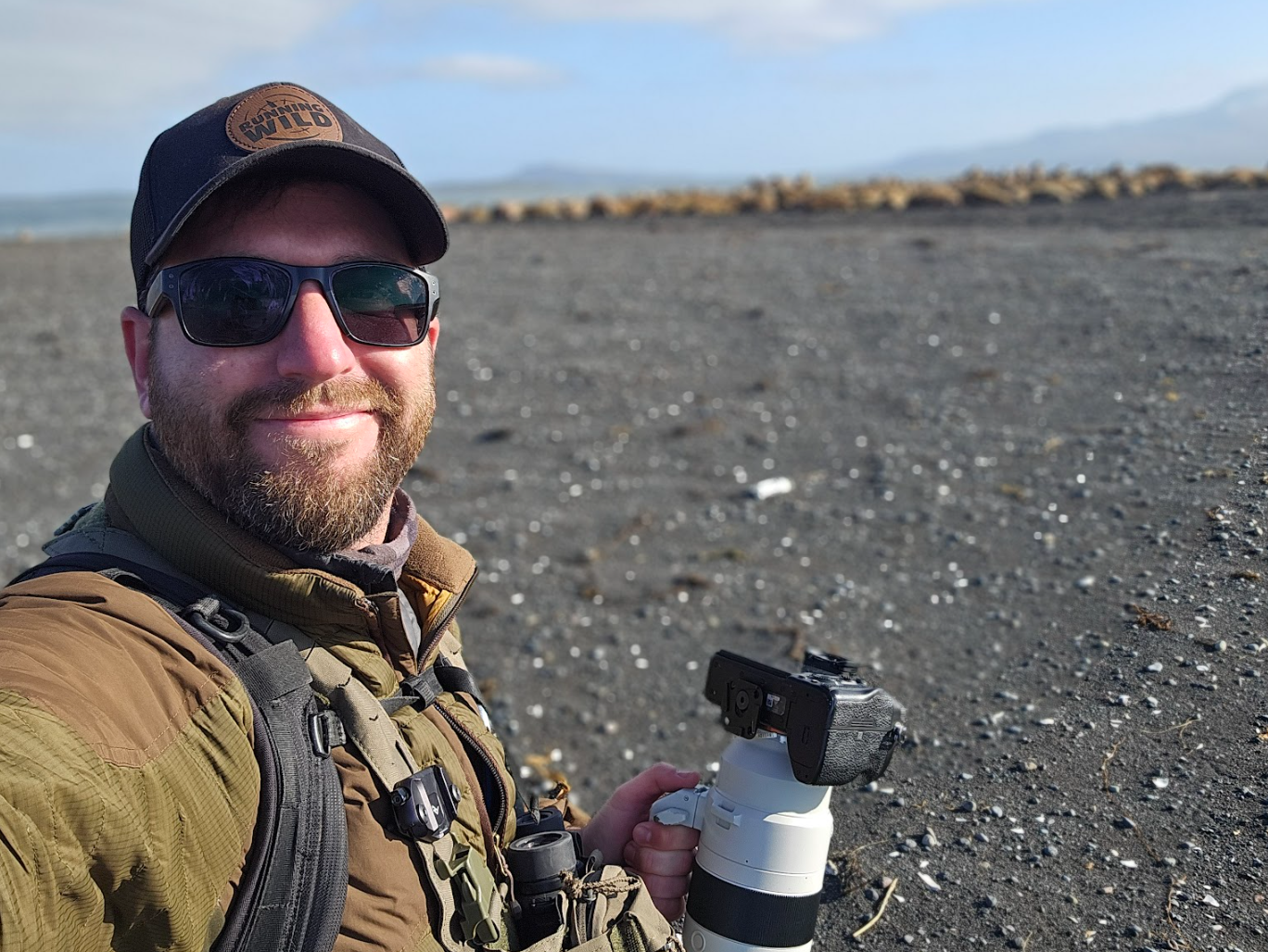
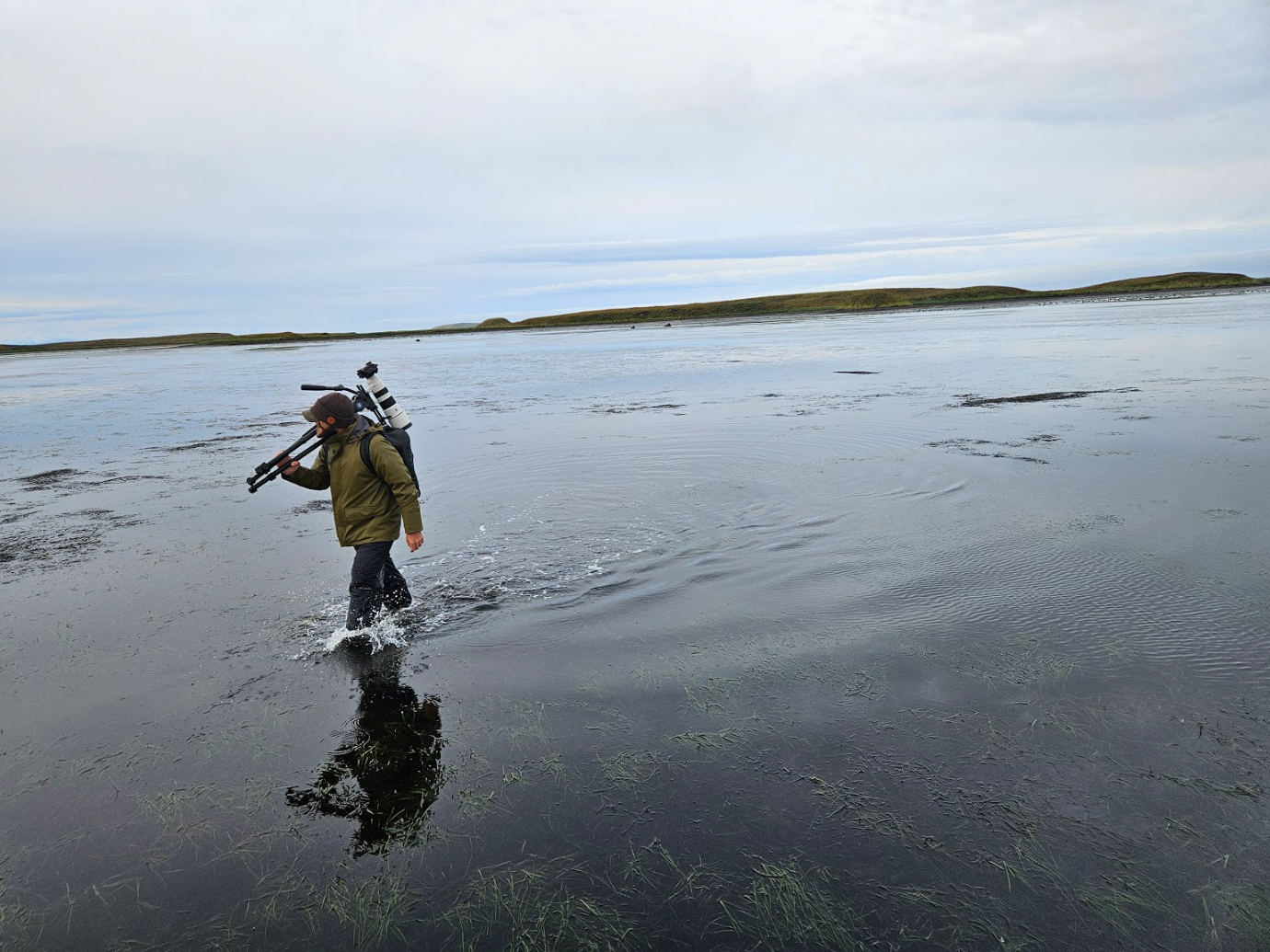
Once again, the team at Running Wild Media traveled to the remote Alaskan wilderness on assignment with Defenders of Wildlife to document efforts to protect public lands and wildlife in Izembek National Wildlife Refuge.
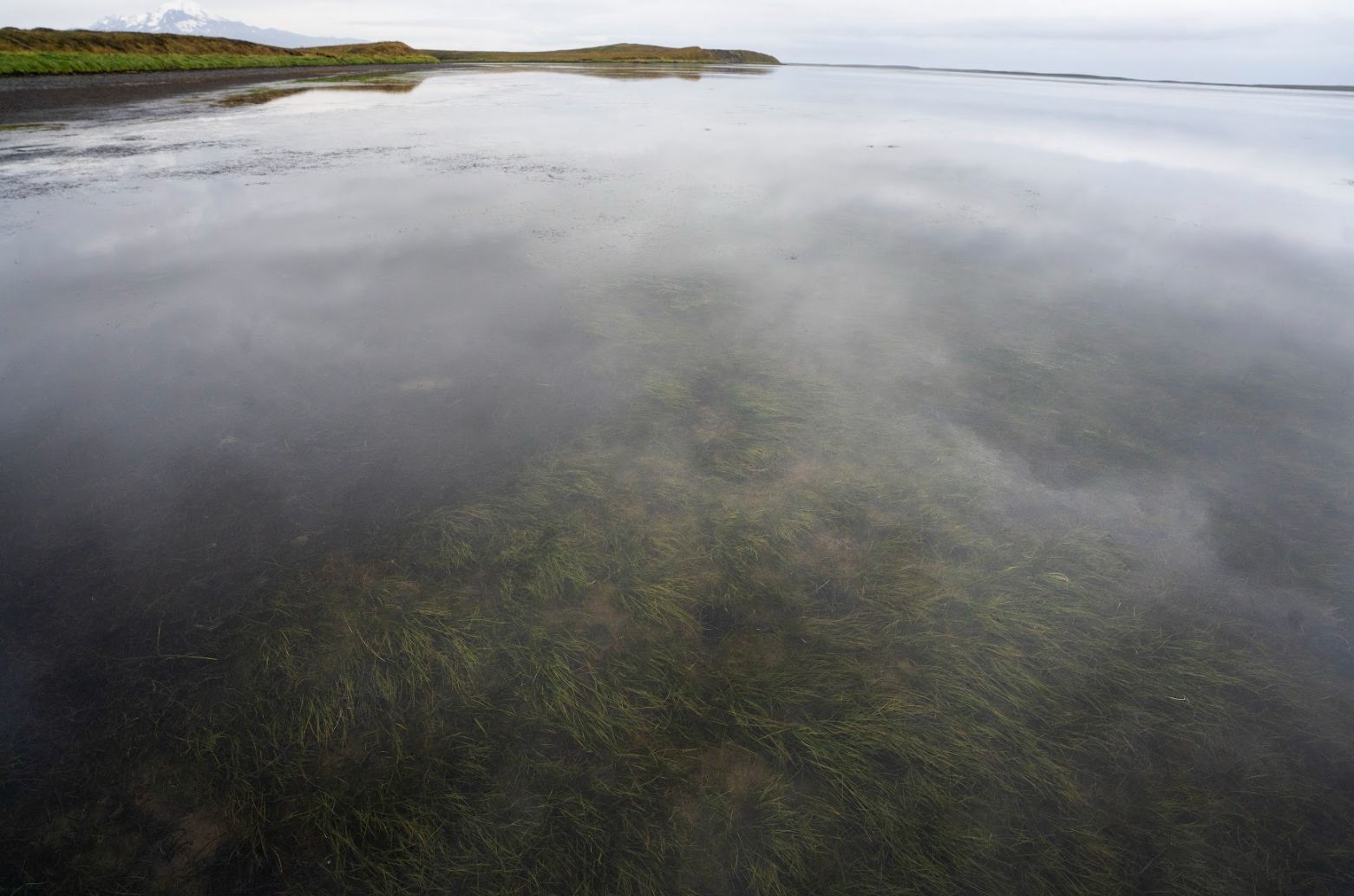
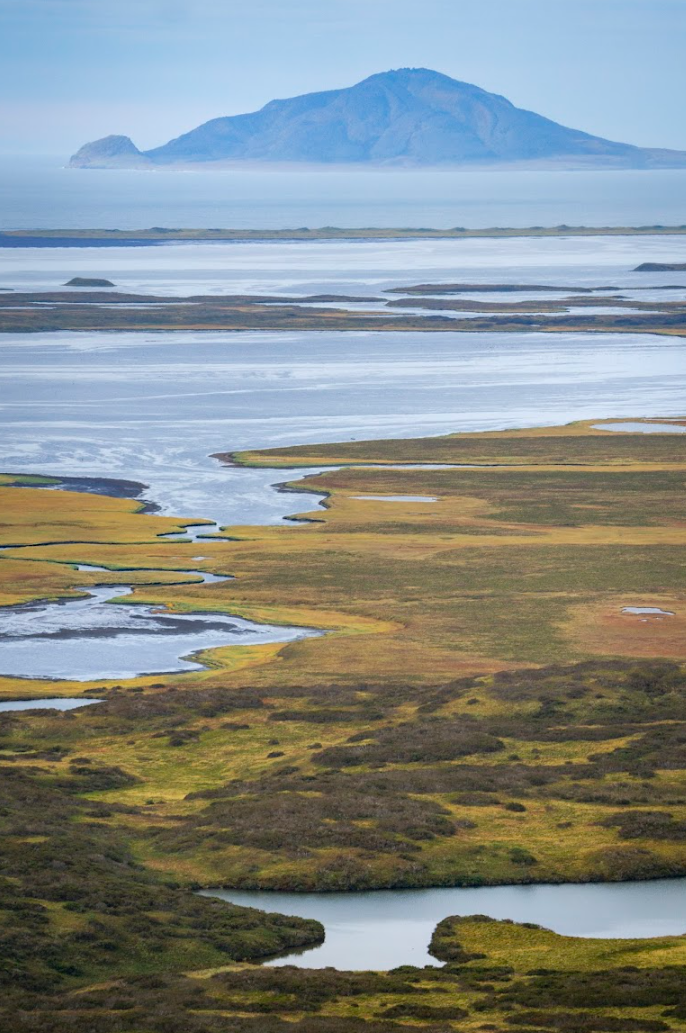
Our journey began at Izembek National Wildlife Refuge, one of the world’s most important and intact wetland ecosystems. Located on the Alaska Peninsula near Cold Bay, Izembek contains one of the largest continuous eelgrass beds on Earth. Each fall, nearly the entire world population of Pacific Black Brant stops here during migration to feed on abundant eelgrass, an essential energy source for long-distance migrants. The refuge also supports millions of other waterfowl and shorebirds, including the Emperor Goose, Tundra Swan, and numerous species of ducks, making it a globally significant staging and feeding area along the Pacific Flyway.
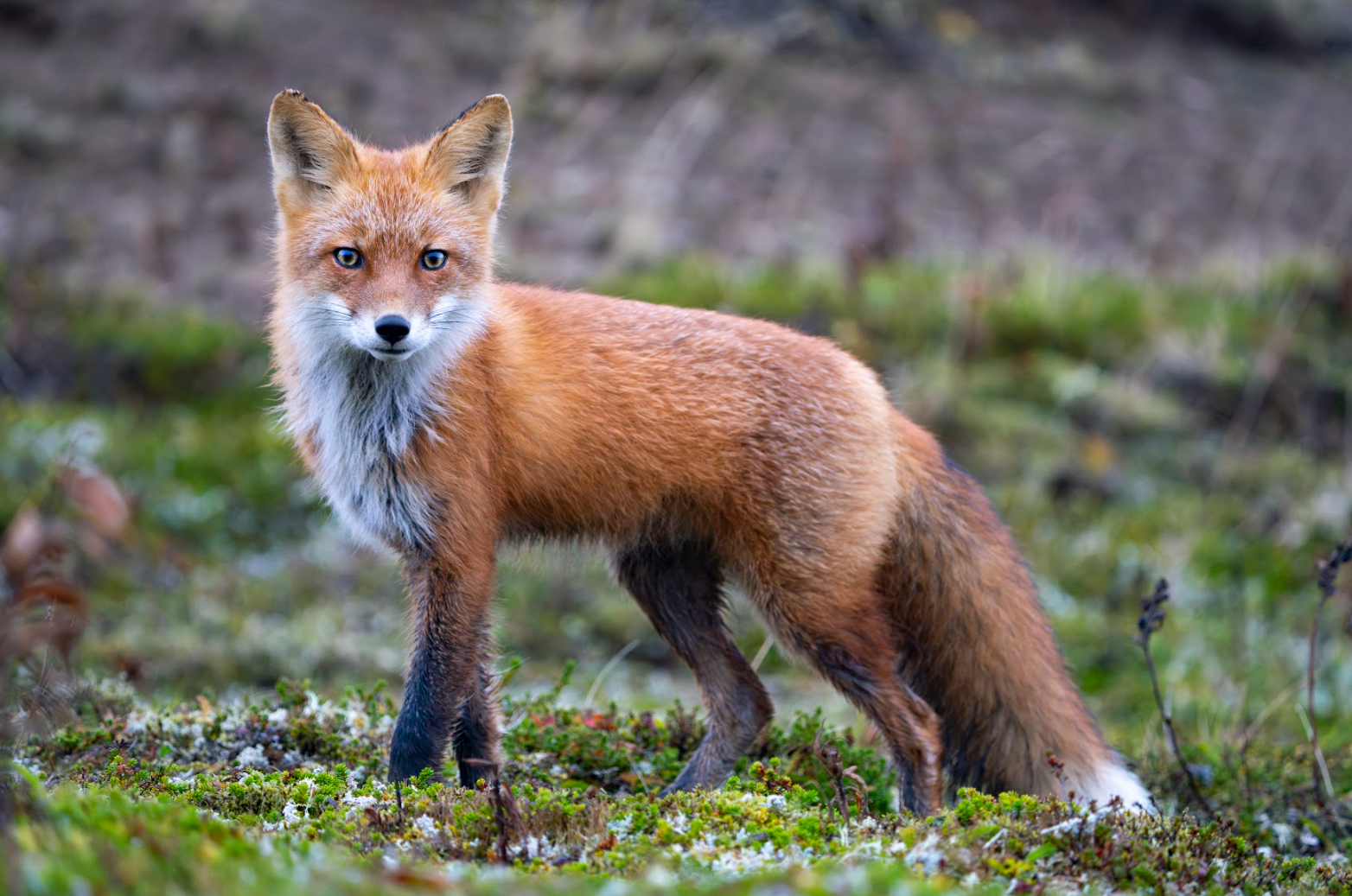
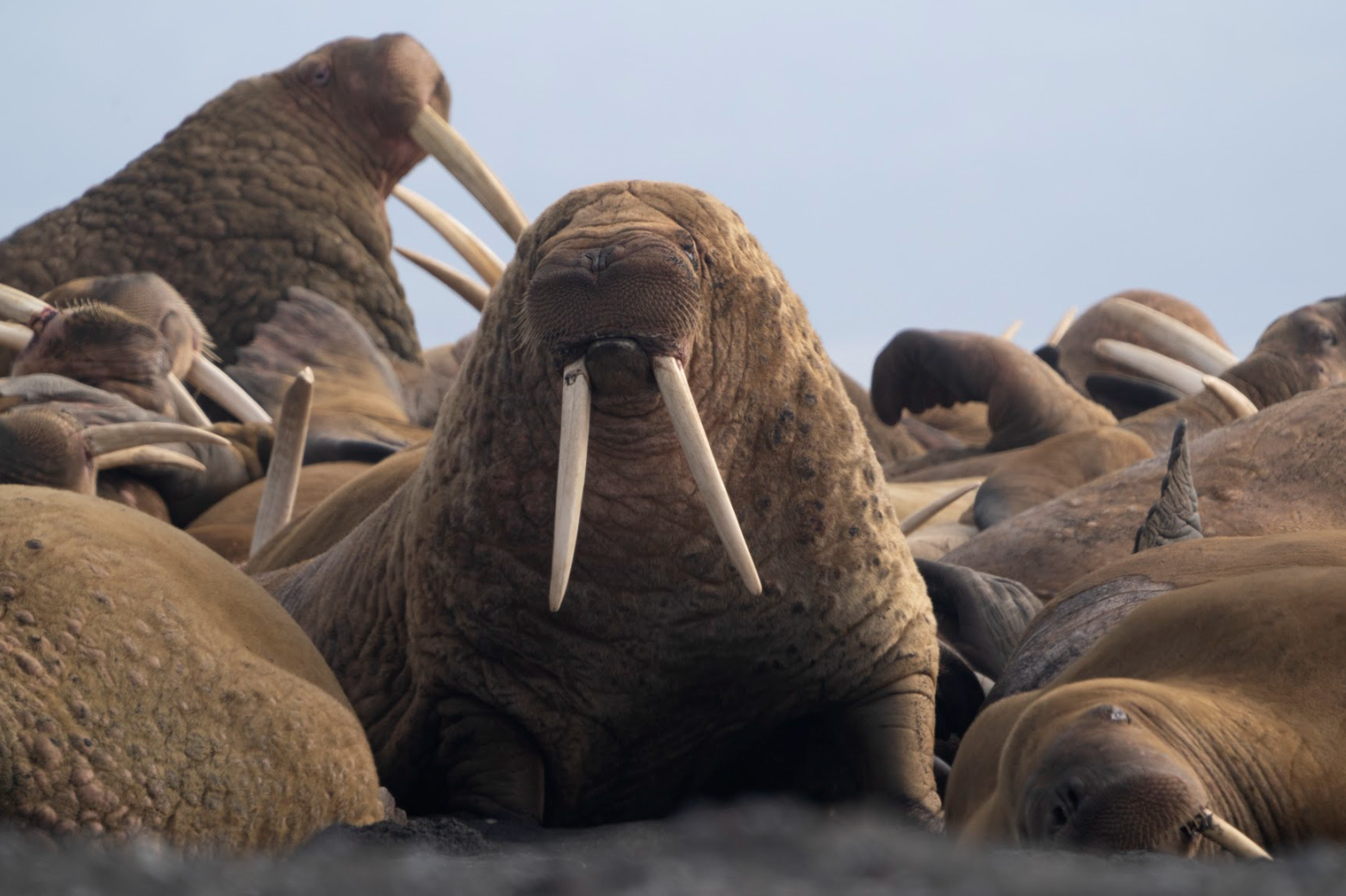
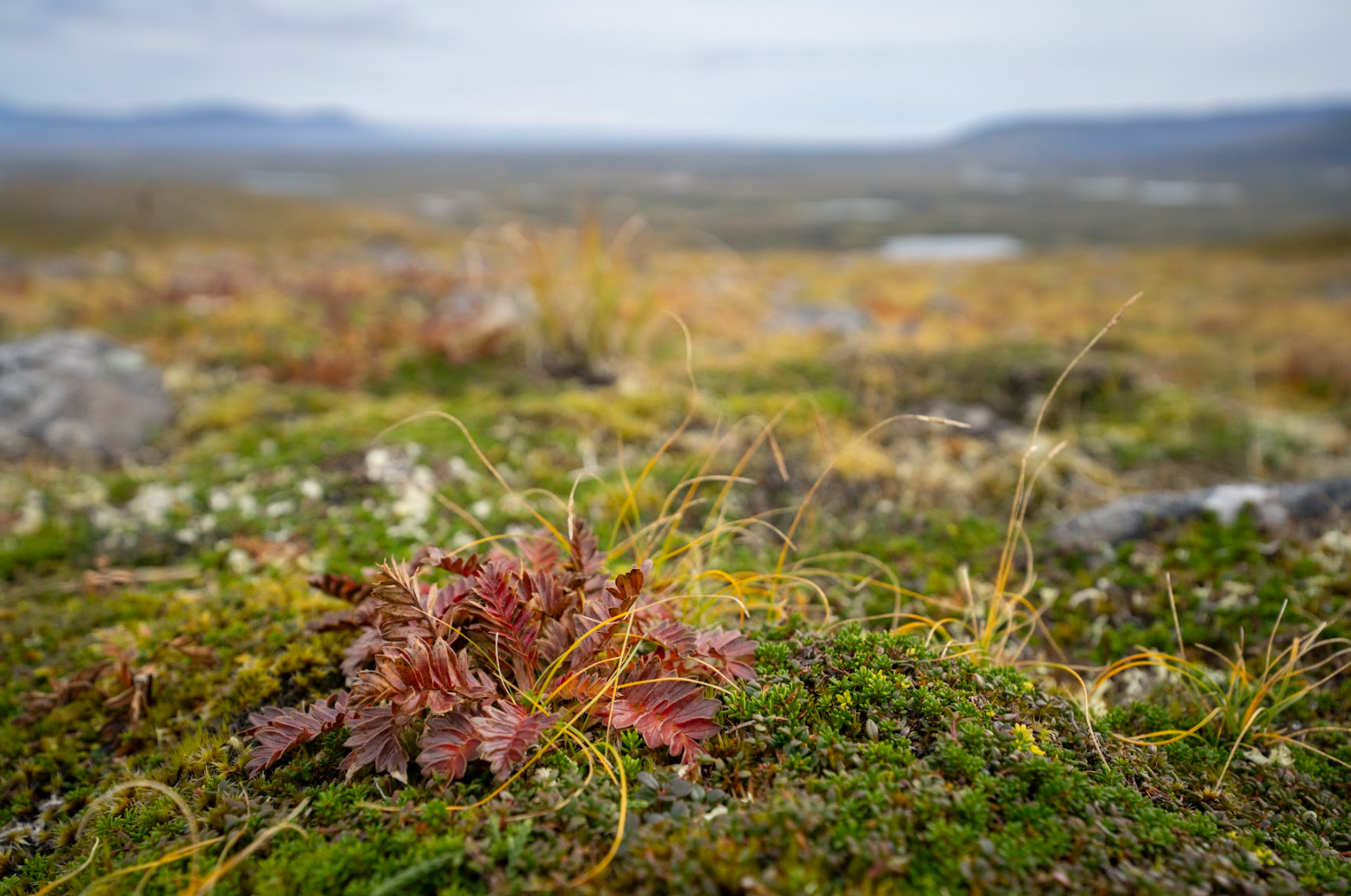
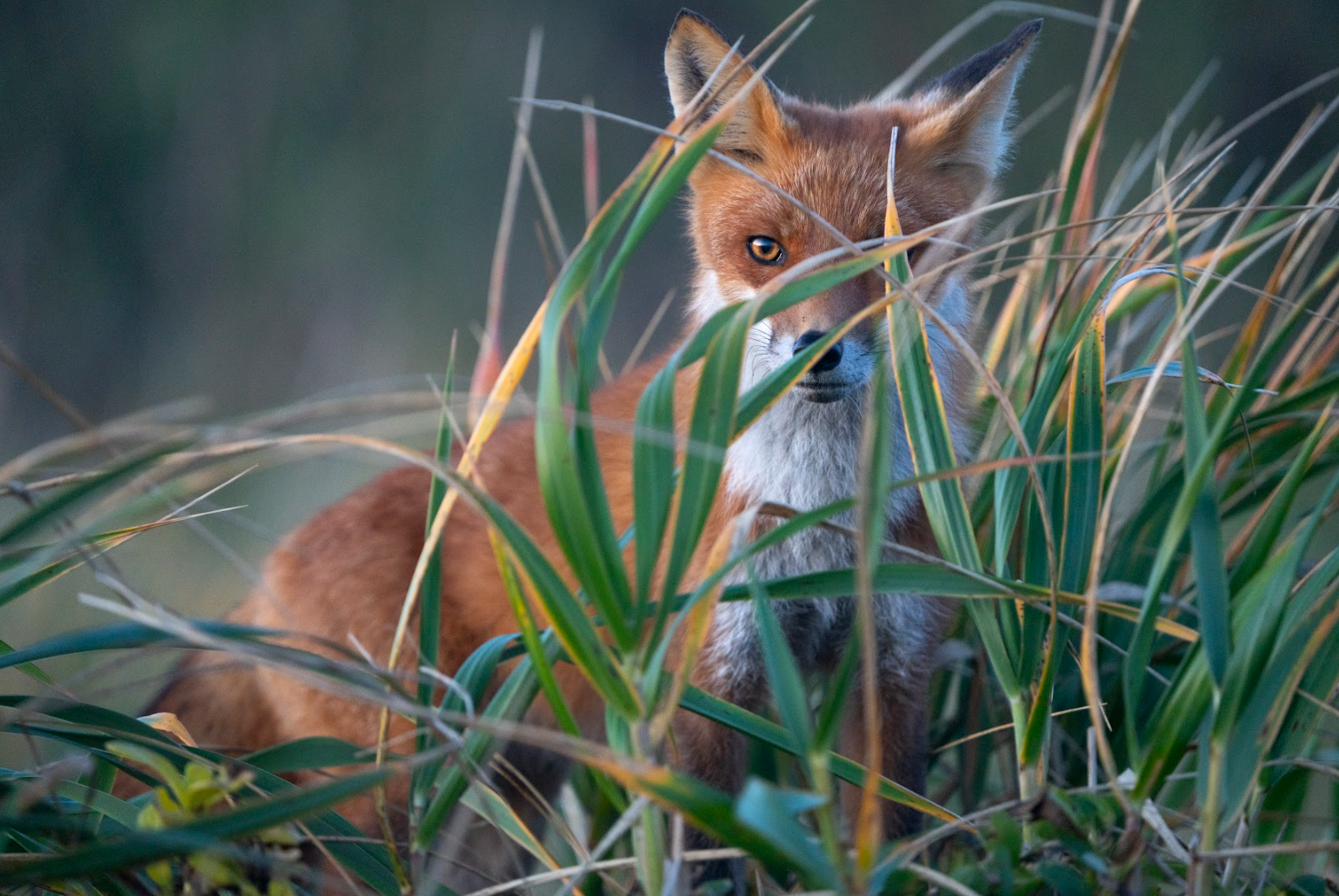
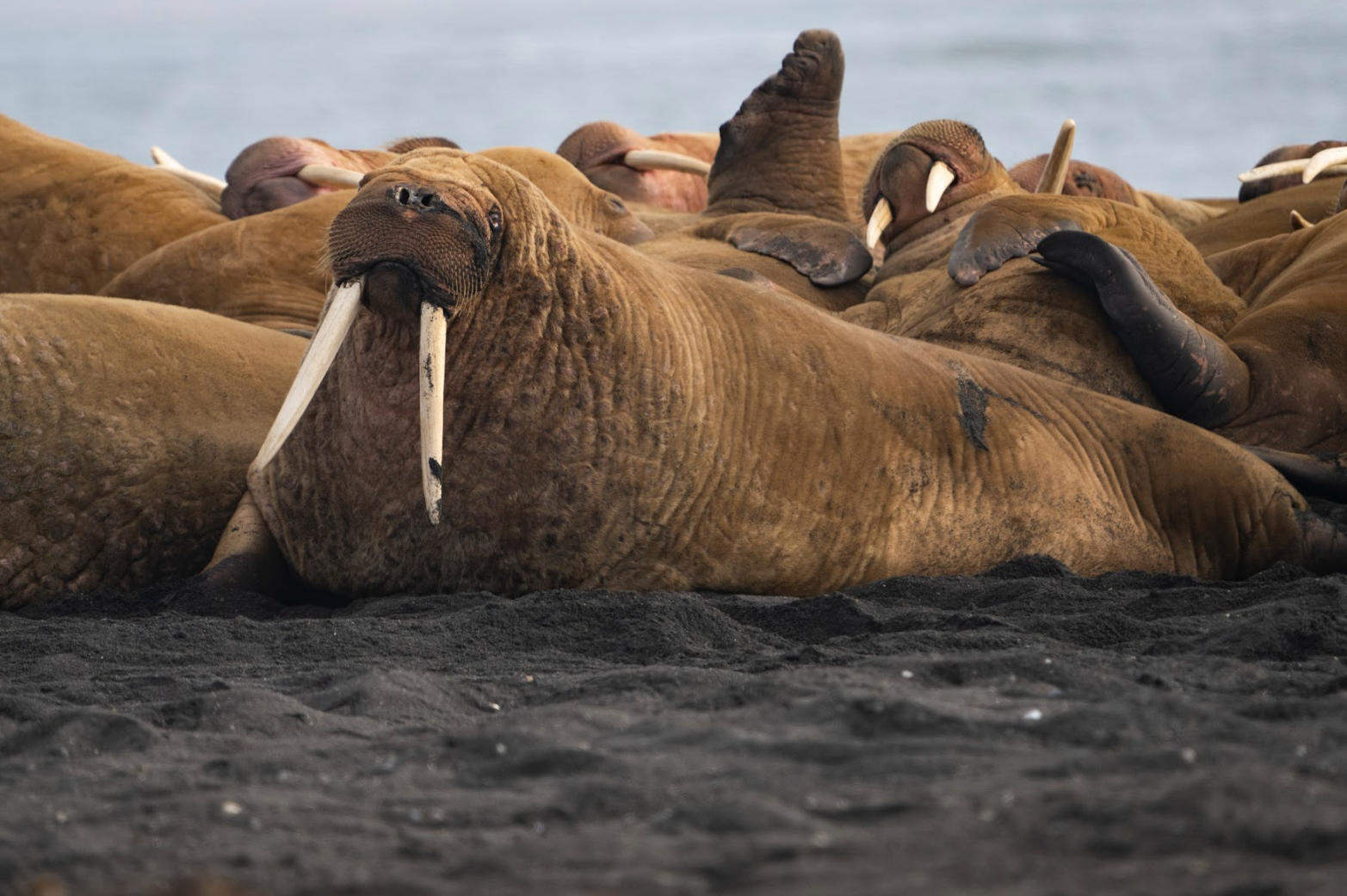
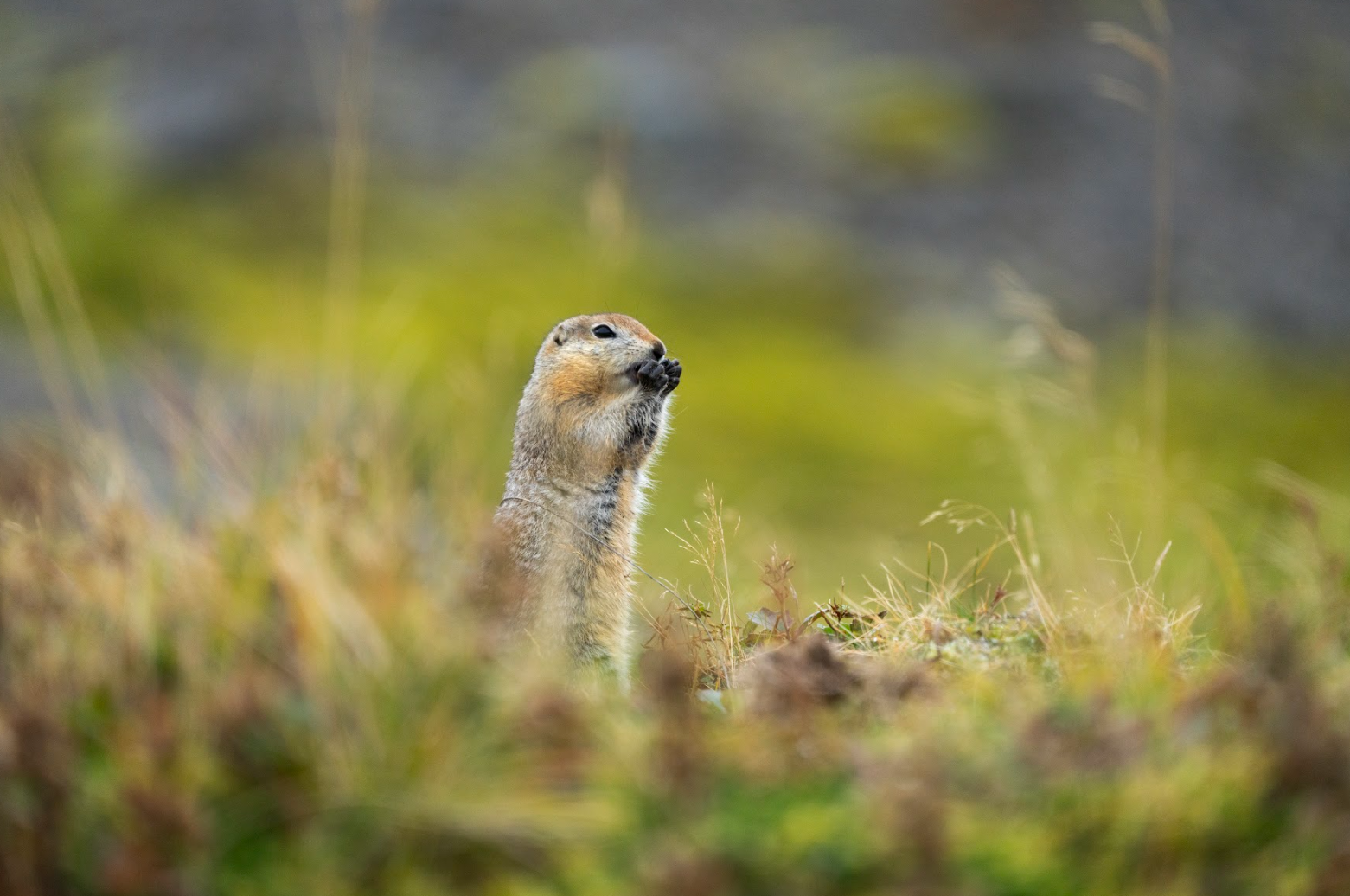
Beyond waterfowl, Izembek’s rich mosaic of wetlands, lagoons, and tundra supports a diversity of wildlife. Large walrus haul-outs occur nearby, where Pacific walruses congregate when sea ice is reduced. The surrounding landscape is home to species such as red fox, brown bear, arctic ground squirrel, and numerous other tundra inhabitants. Rolling tundra plains meet dramatic volcanic peaks on the horizon, some of which are active, creating a stunning and dynamic natural backdrop.
The purpose of our assignment was to document this extraordinary biodiversity and the threats it faces. Currently, there is a proposal to construct a road between King Cove and Cold Bay, two Aleutian communities separated by rugged terrain. Proponents argue the road would provide emergency medical access to a dwindling town, but the proposed route would cross patented lands and traverse critical habitat within and adjacent to Izembek Refuge, fragmenting wetlands that are protected for migratory birds and other wildlife.
This potential development has drawn intense national scrutiny because it would require the use or transfer of federal conservation lands for private benefit, a precedent many conservation organizations argue would weaken long-standing protections for public lands. Izembek National Wildlife Refuge was designated specifically to conserve habitat for migratory birds and other wildlife, and any alteration of its boundaries or the integrity of its wetlands raises concerns about impacts on globally significant ecosystems.
Defenders of Wildlife, along with allied groups, has filed a lawsuit challenging federal decisions that would enable construction of this road through refuge lands. These conservation advocates contend that the administrative process failed to fully consider ecological impacts and did not sufficiently explore alternative emergency access options that would avoid damaging critical habitat. As of this writing, legal and administrative actions are ongoing.
Our film team’s work in Izembek aims to elevate the voices of scientists, local residents, tribal leaders, and conservationists who understand that what happens here matters far beyond Alaska’s remote shores. Protecting critical public lands like Izembek is not just about preserving spectacular scenery, it’s about safeguarding the ecological foundations of bird migrations, healthy oceans, and resilient ecosystems at a time when such places are increasingly vulnerable.
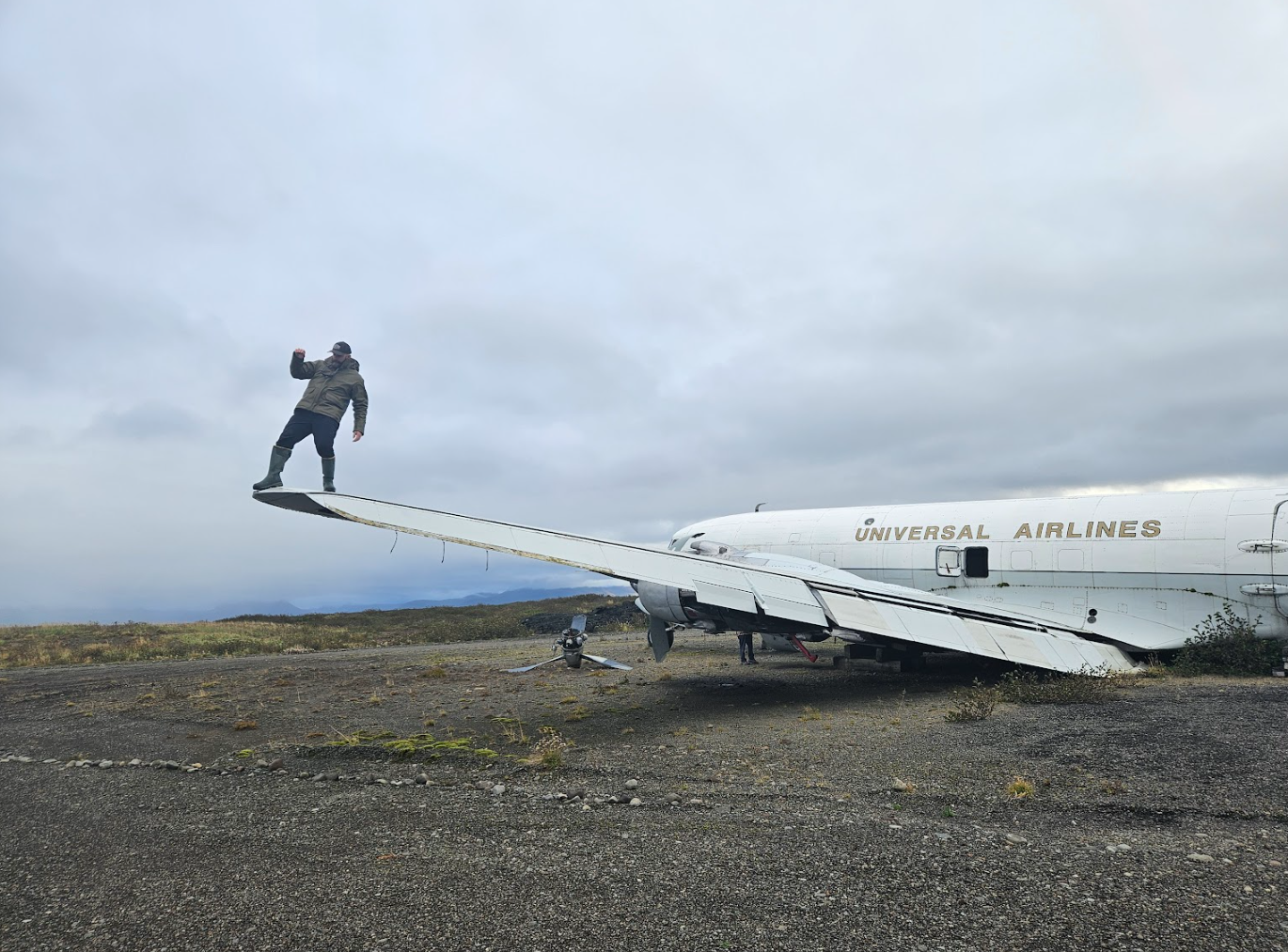
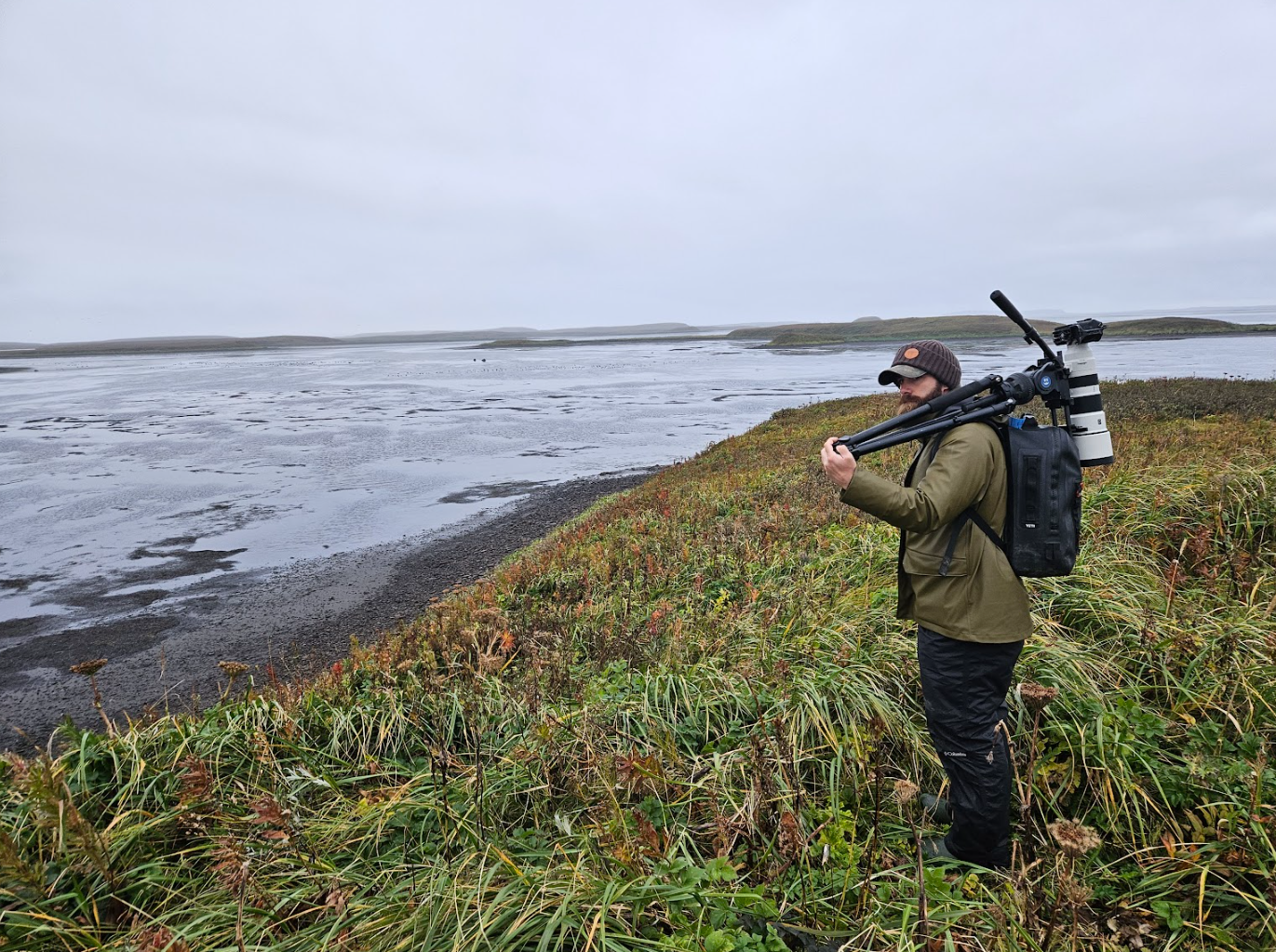
BEHIND THE SCENES
ABOUT DEFENDERS OF WILDLIFE
This work conducted on assignment for Defenders of Wildlife, a national nonprofit organization dedicated to protecting imperiled species and the habitats they depend on. Their work spans policy advocacy, on-the-ground conservation projects, and community engagement, with a focus on balancing the needs of people and wildlife. From safeguarding corridors for species like wolves, panthers, and grizzly bears, to addressing climate change and habitat fragmentation, Defenders partners with local communities, scientists, and policymakers to ensure wildlife can thrive across North America.
