
Filming Wolf Conservation for PBS
We worked with the Endangered Wolf Center, a conservation facility in Missouri dedicated to the preservation of canids, to help tell their conservation story for PBS “This American Land.”
Filming with wolves
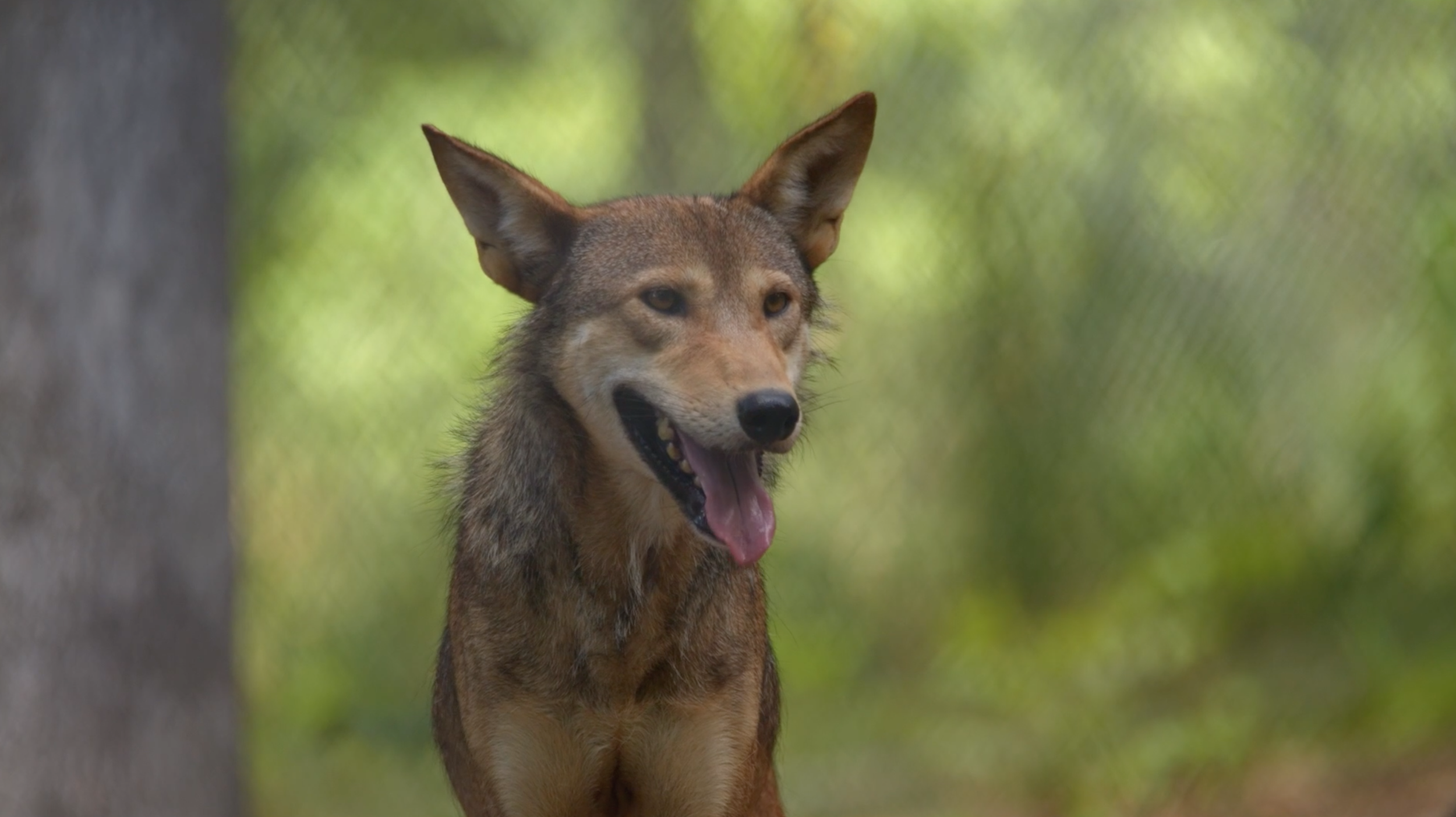
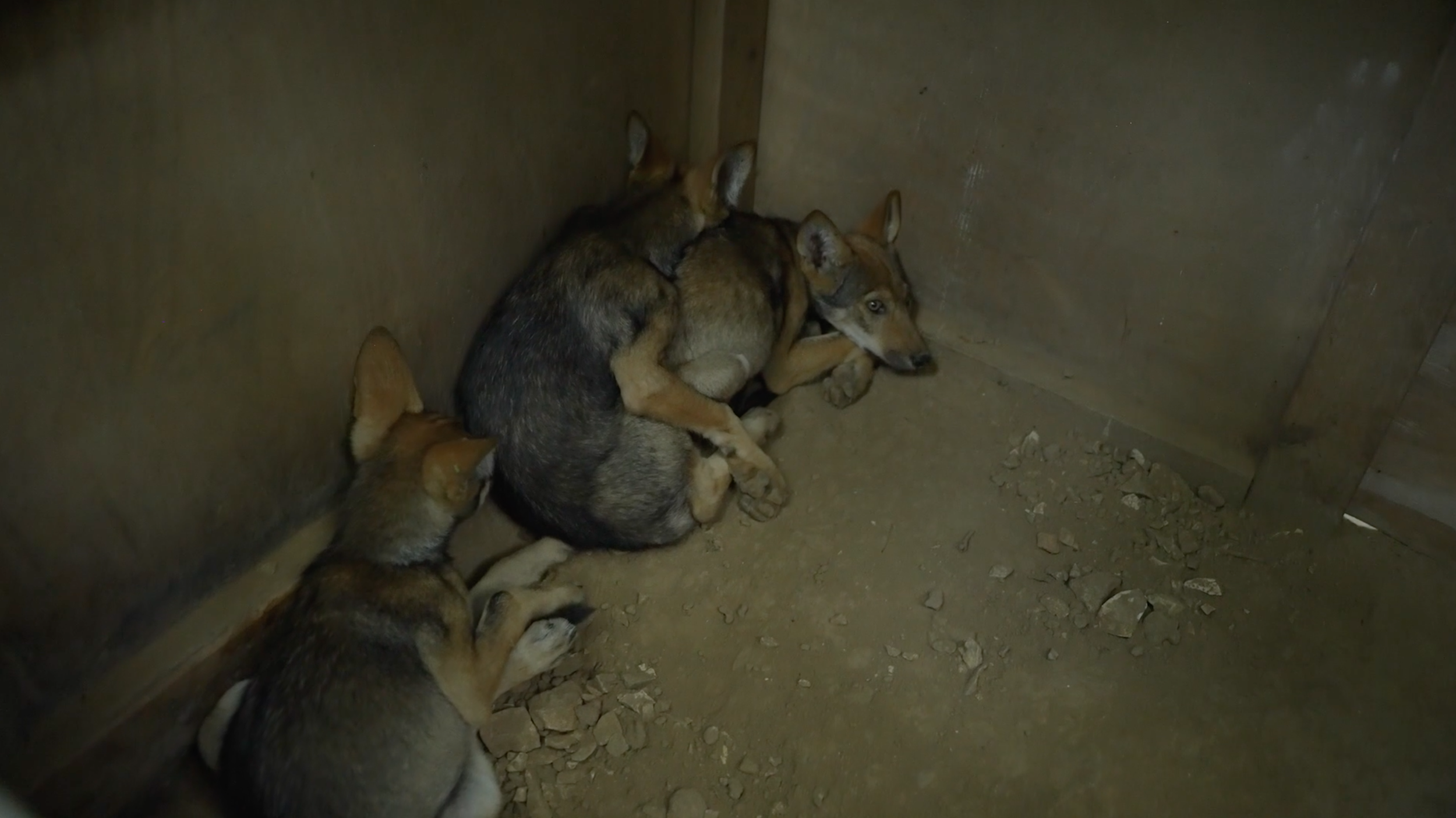
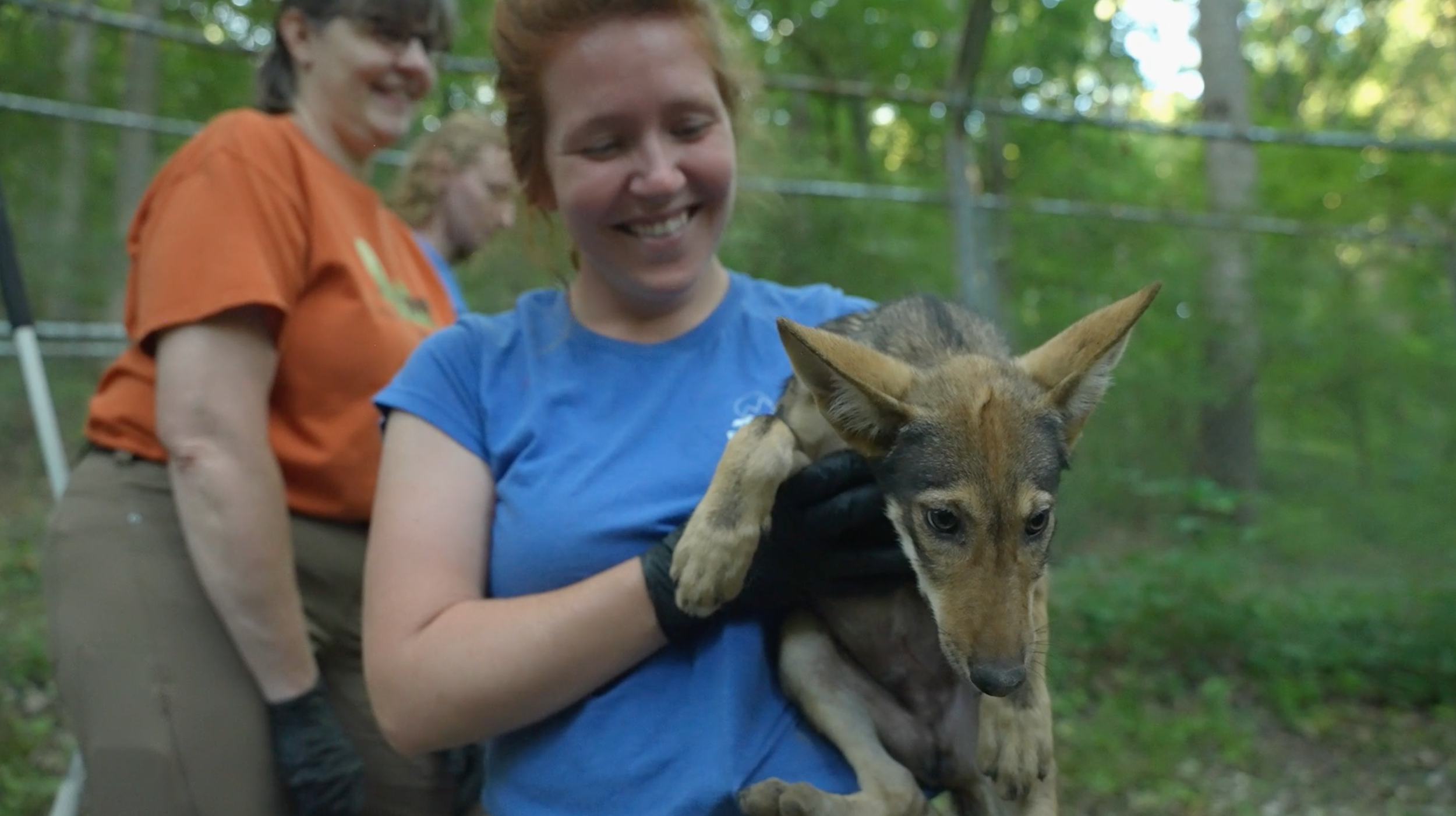
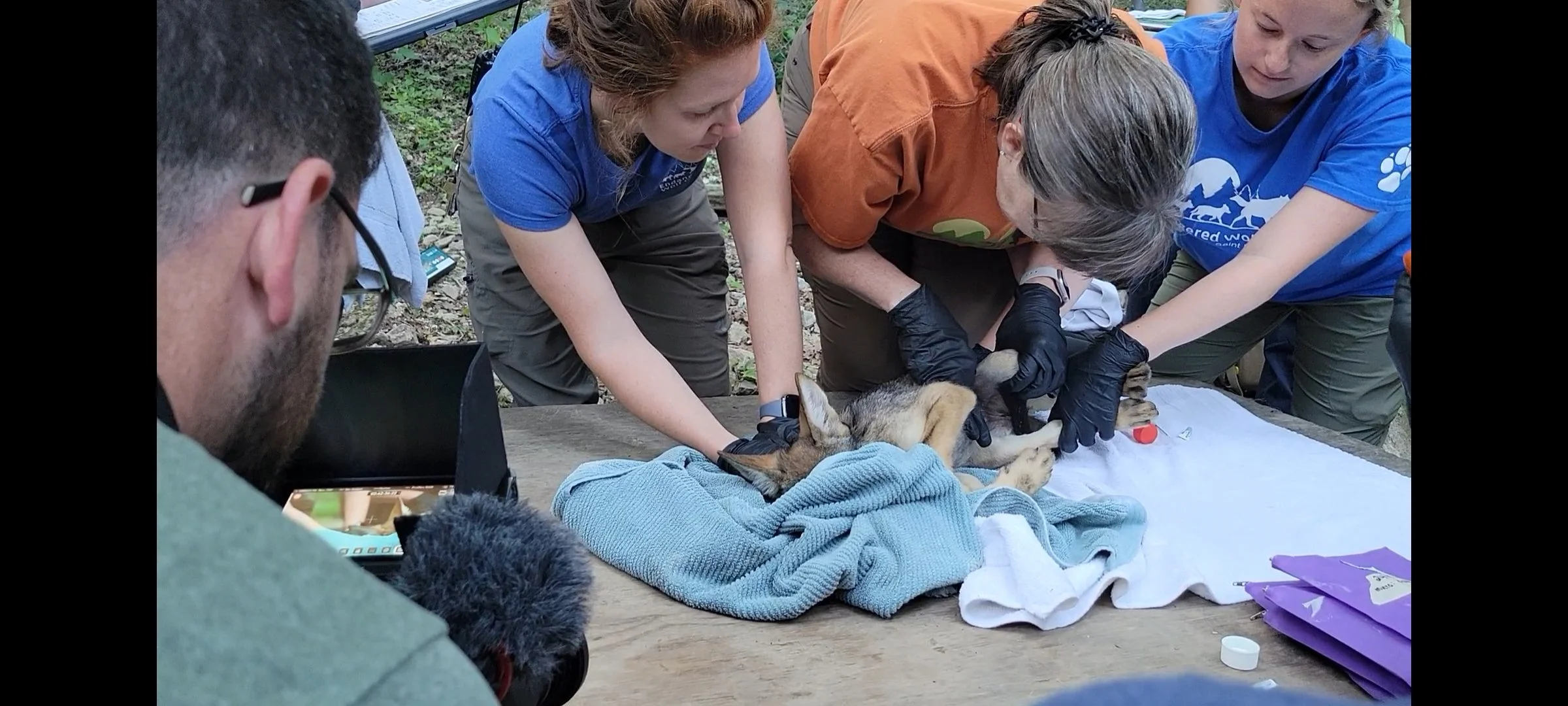
We worked with the Endangered Wolf Center, a conservation facility in Missouri dedicated to the preservation of canids, to help tell their conservation story for PBS “This American Land.” This segment brings viewers into a wolf habitat in managed care to learn about the important work that is being done to protect red wolves in North Carolina - the only place in the world in which they are still found in the wild. This species has encountered a lot of challenges to survival since European colonization of North America, including being declared extinct in the wild in 1980 due to hunting and habitat loss. Facilities like the Endangered Wolf Center have helped preserve the species through breeding and release programs.
About “This American Land”
Reporting from the front lines, This American Land brings you compelling stories on critical issues impacting America’s natural landscapes, waters, wildlife and energy resources in a changing climate, informing and engaging television audiences nationwide.

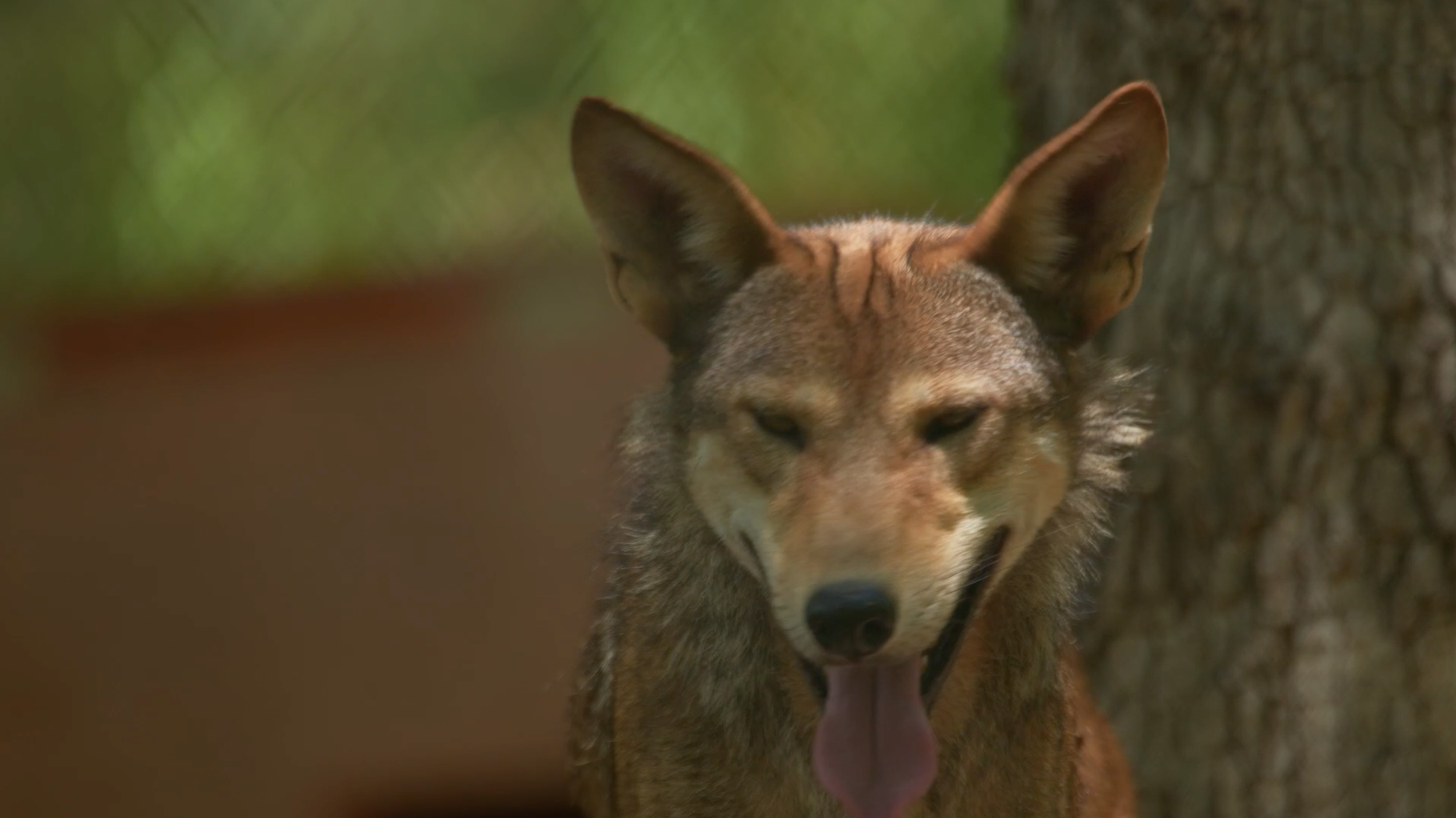
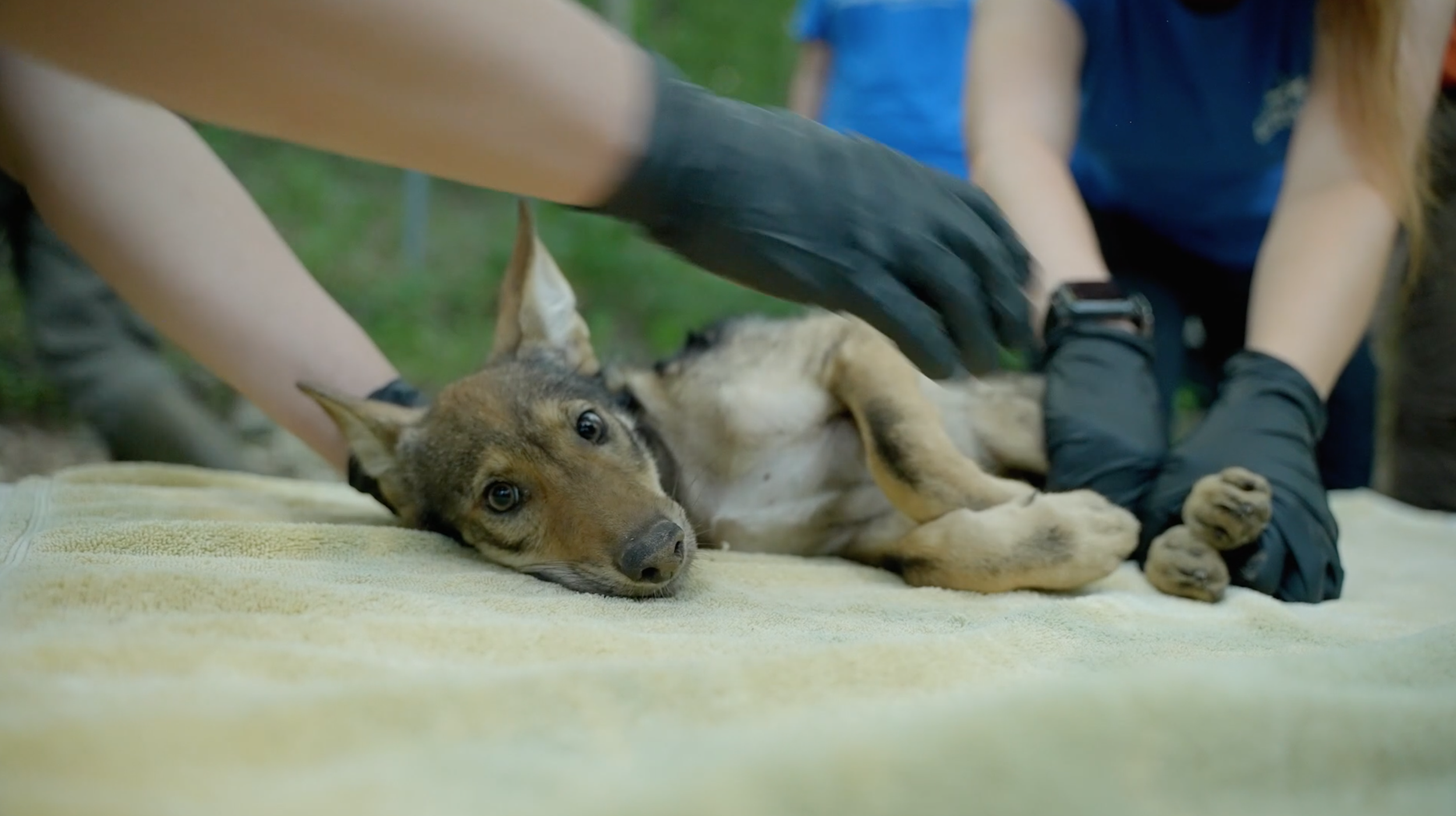
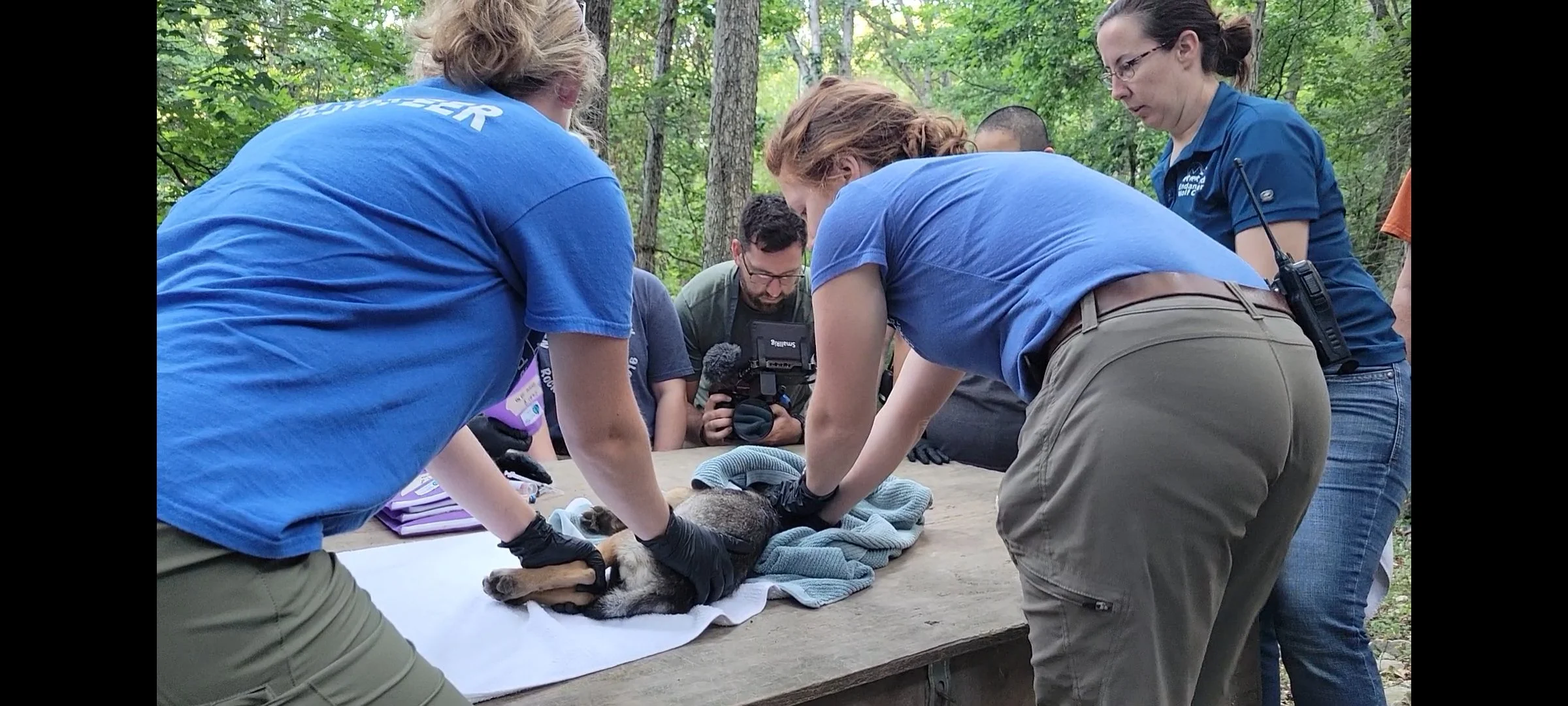
Filming with wolves in managed care takes a lot of understanding and care about their behavior and dedication to animal welfare. Minimizing movements, equipment, and even smells is essential in collecting footage of these extraordinary animals. Close collaboration with staff is critical to make sure that the wolves’ wild manners are maintained and that they are not being stressed too much. Our background in wildlife biology helps us navigate filming delicate issues with critically endangered wildlife.
Behind the scenes


Hellbent takes home the BEST SHORT award from the NY WILD Film Festival
Our film “Hellbent” in co-production with Wild Lens Collective, premiered at the New York WILD Film Festival on March 5th at the Explorers Club and received the award for Best Short at the festival.

Our film “Hellbent” in co-production with Wild Lens Collective, premiered at the New York WILD Film Festival on March 5th at the Explorers Club. The screening was followed by a Q&A session featuring co-directors Justin Grubb and Annie Roth. Screening this film at such an incredible film festival was an honor, and taking home the award for Best Short meant so much to the incredible team involved in this project.


Hellbent is a short film about community that features a small rural town in Pennsylvania, the refuge of a rare salamander and the only source of clean drinking water for 700 people is threatened by the installation of a fracking waste injection well, prompting community members to band together and mount an epic fight for the rights of their people and nature.
The award from this film festival was presented to Judy and Stacy of Grant Township for their hard work in protecting their community against fracking.


Hellbent was produced by Justin Grubb, Alex Goetz, Matt Podolsky and directed by Justin Grubb and Annie Roth. Learn more about the project by visiting the film’s official website. www.hellbentfilm.com

Filming for the National Parks Series on National Geographic
The Running Wild Media crew spent several months living in the Badlands National Park in South Dakota filming for Disney + and National Geographic’s “America’s National Parks” series.
WILDLIFE FILMMAKING IN AMERICA’S NATIONAL PARKS
The Running Wild Media crew spent several months living in the Badlands National Park in South Dakota filming for Disney + and National Geographic’s “America’s National Parks” series now available for streaming on Disney +. This episode tells the story of one of the most incredible National Parks and gives insight on what it is like to fight for survival as an inhabitant in the great park. From temperature extremes to predators, every day is a battle.
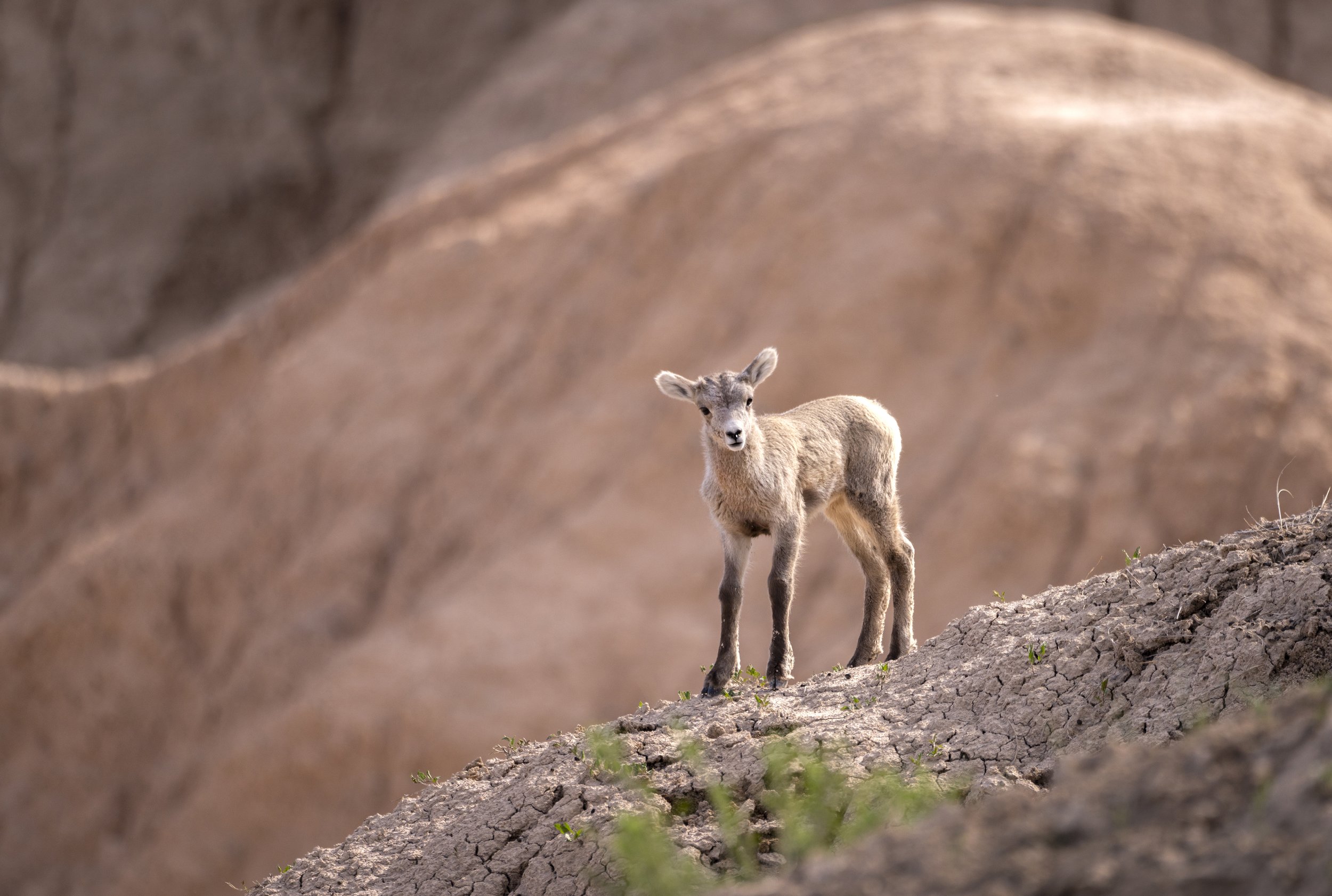
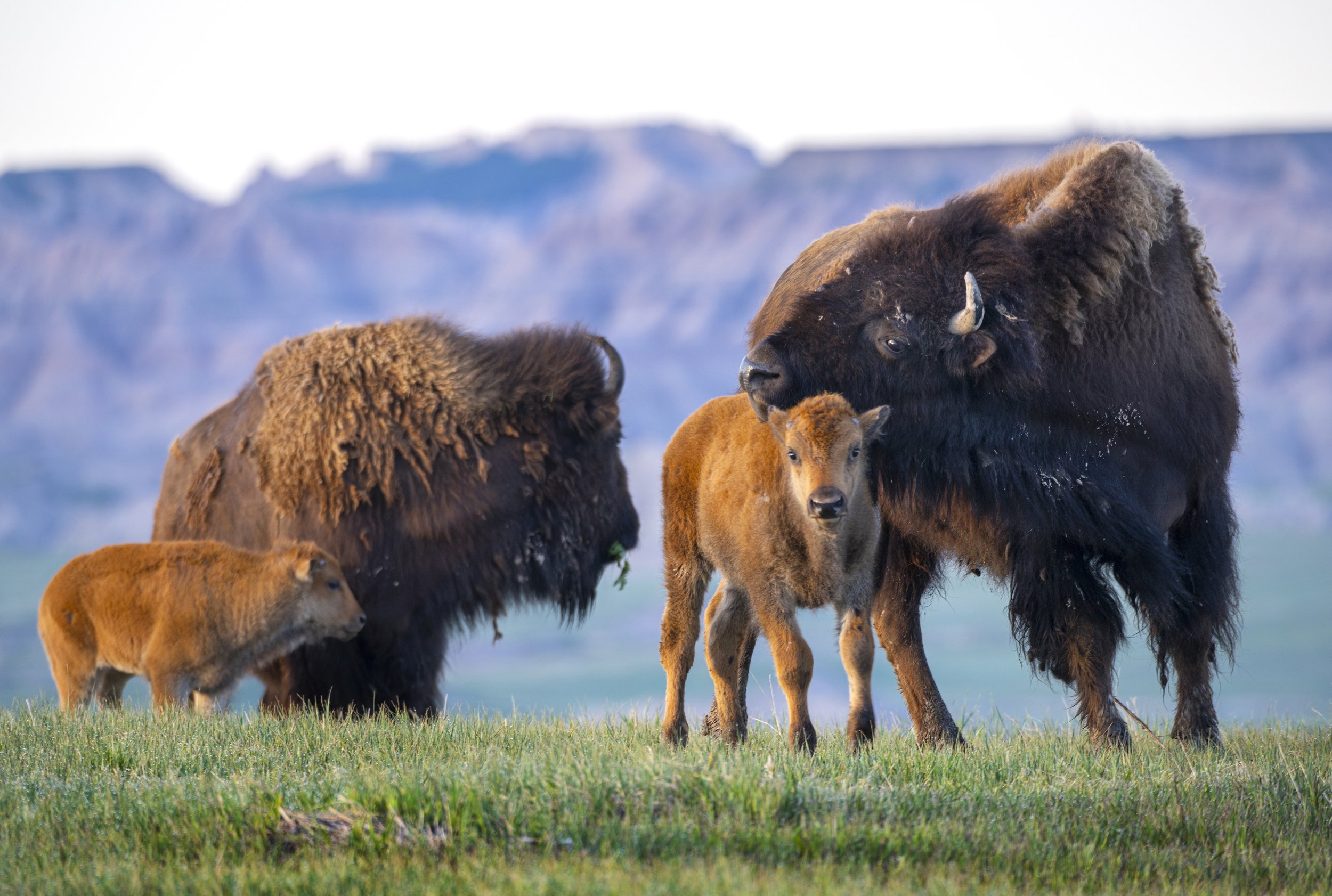
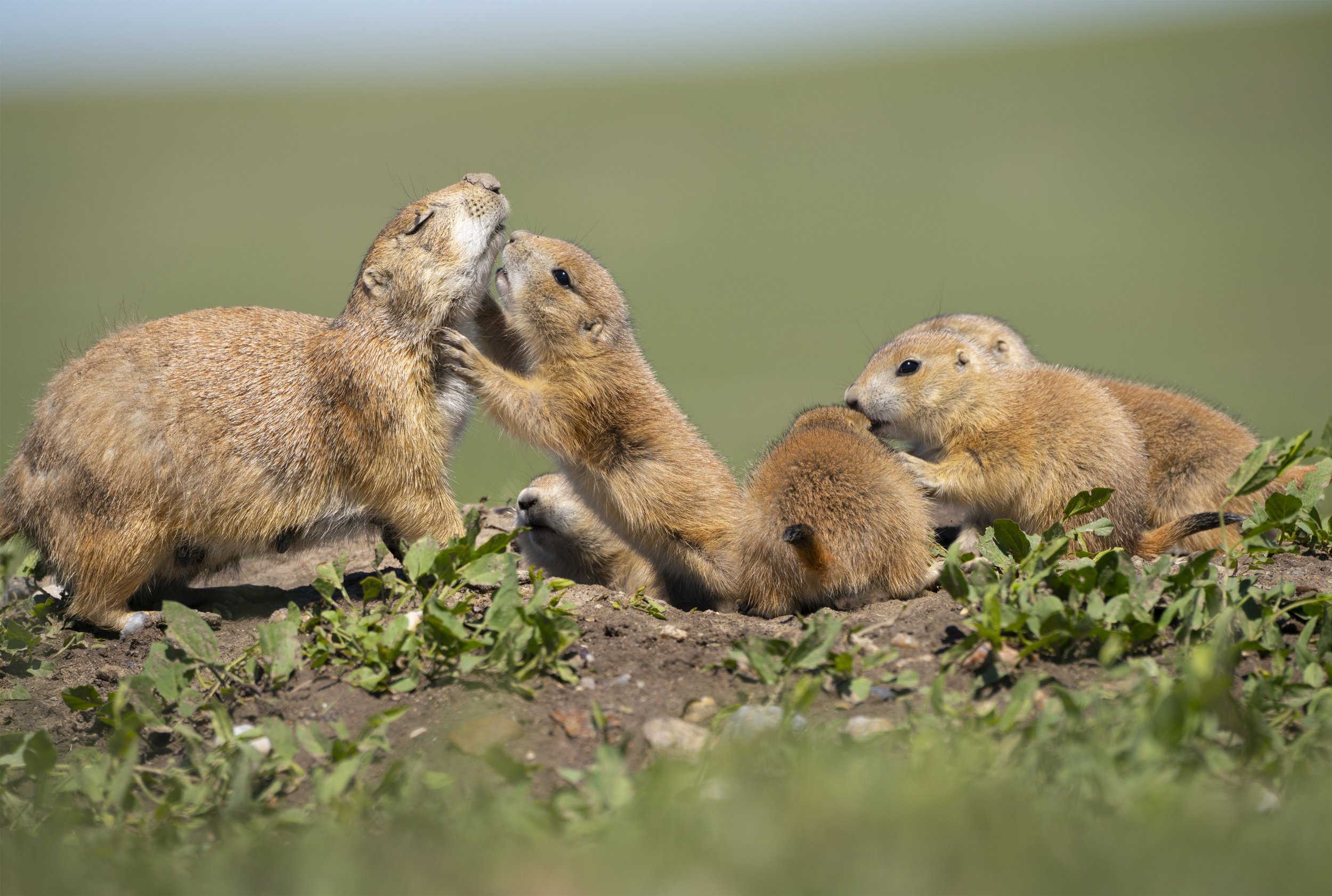
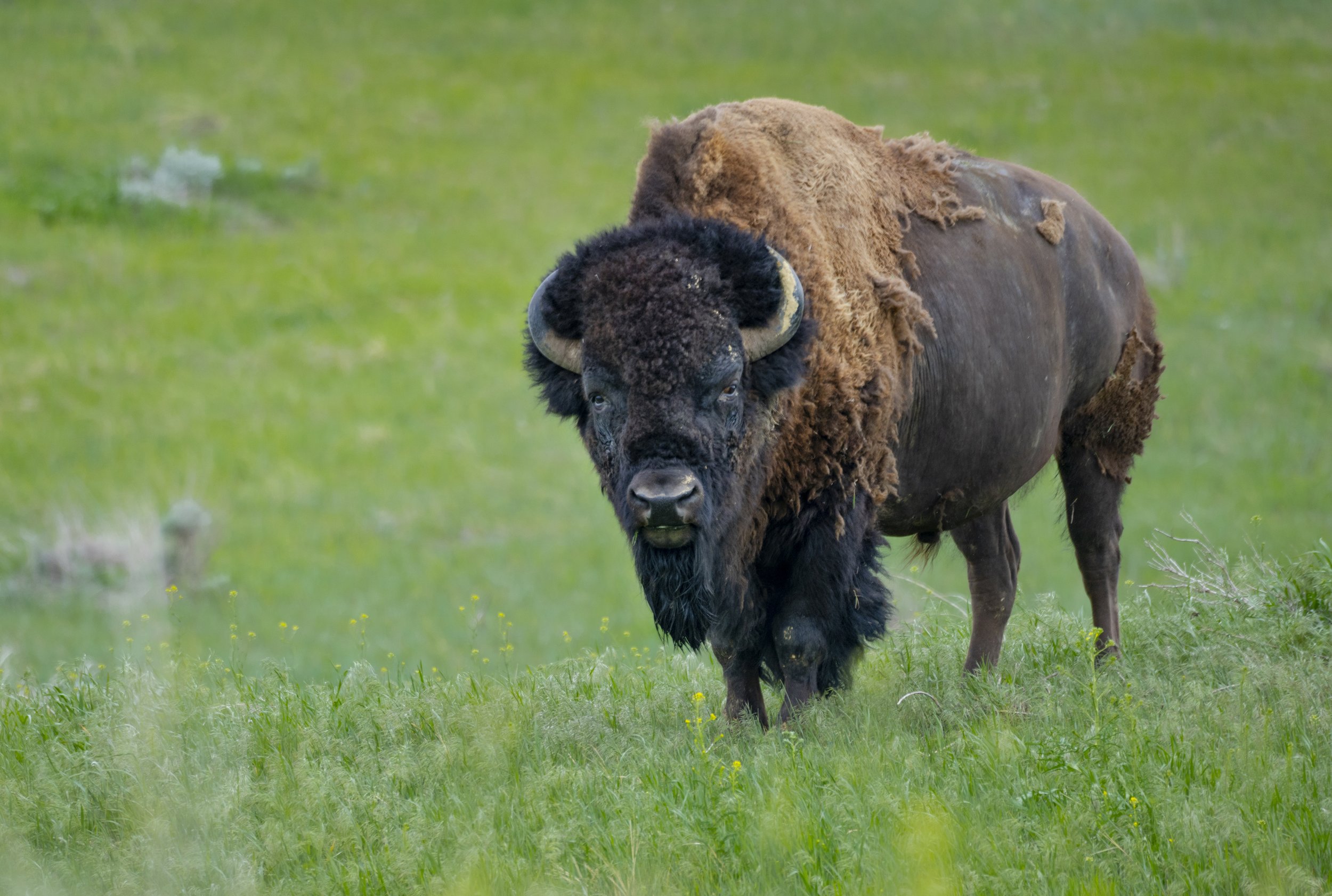
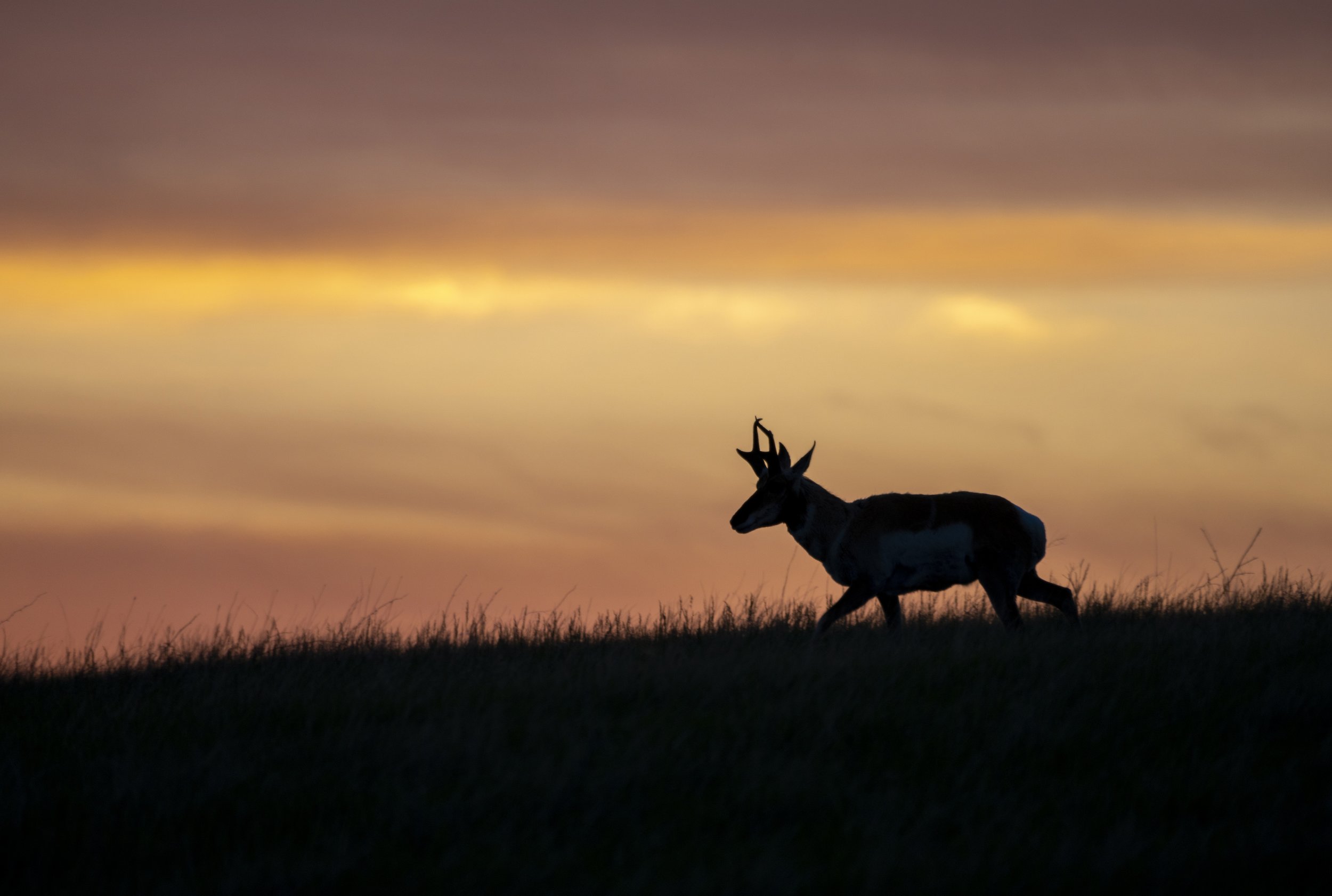
The crew began filming right at the onset of the Spring season, and there were plenty of babies out and about exploring their new world. The team encountered baby bighorn sheep, bison, prairie dogs, pronghorn, and more. After the rains bring much needed water to the region, the plant life explodes, giving young wildlife wonderful feeding opportunities.
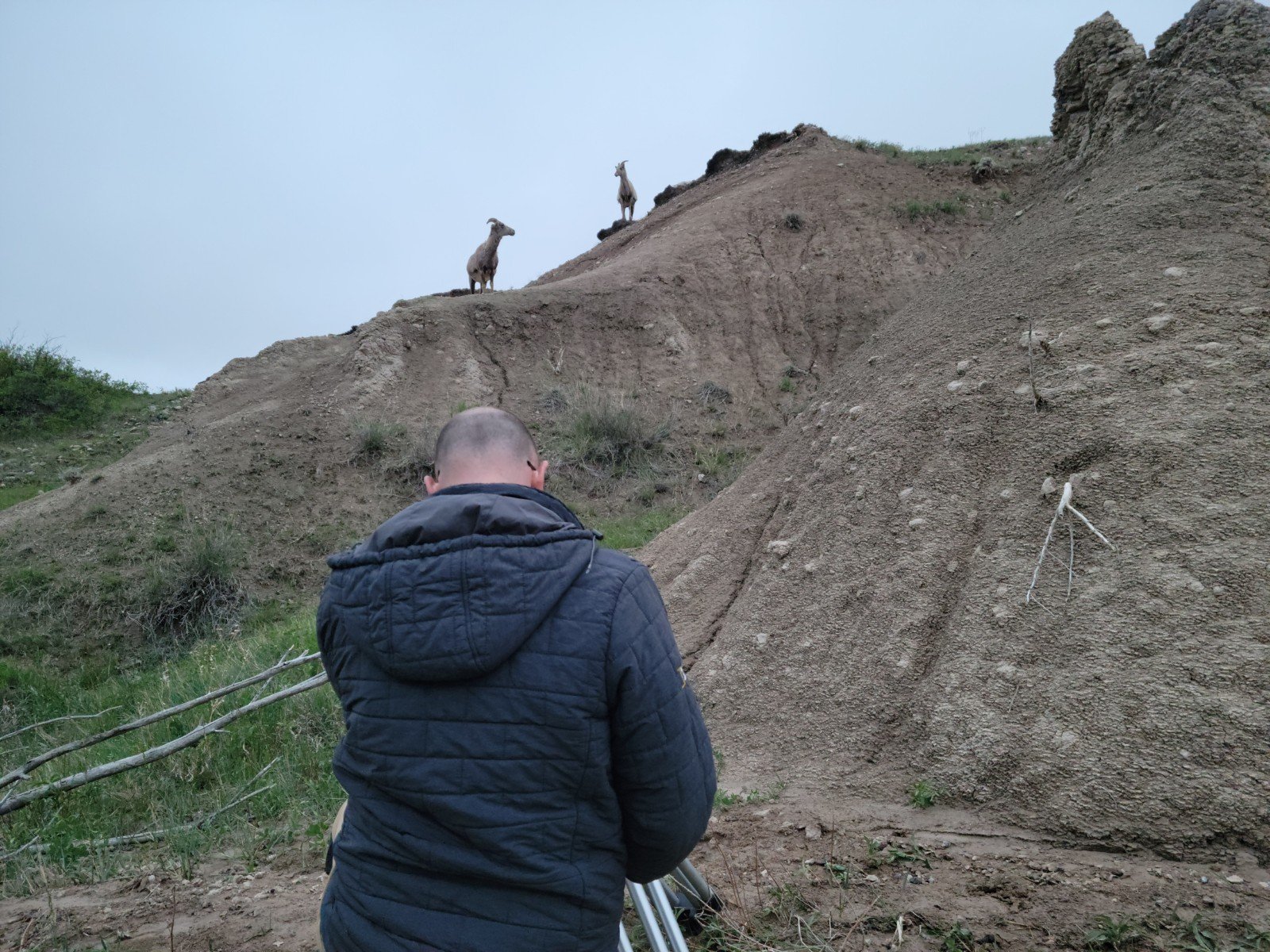
Co-founder Alex Goetz films bighorn sheep in Badlands National Park
ABOUT THE SERIES
National Geographic takes viewers on an extraordinary venture across world-famous and lesser-known national parks to reveal the diversity and wonder of this beautiful country, from the lush valley floors of Yosemite to the constantly erupting volcanoes of Hawai’i. The series is produced and narrated by Garth Brooks and available now on Disney +.
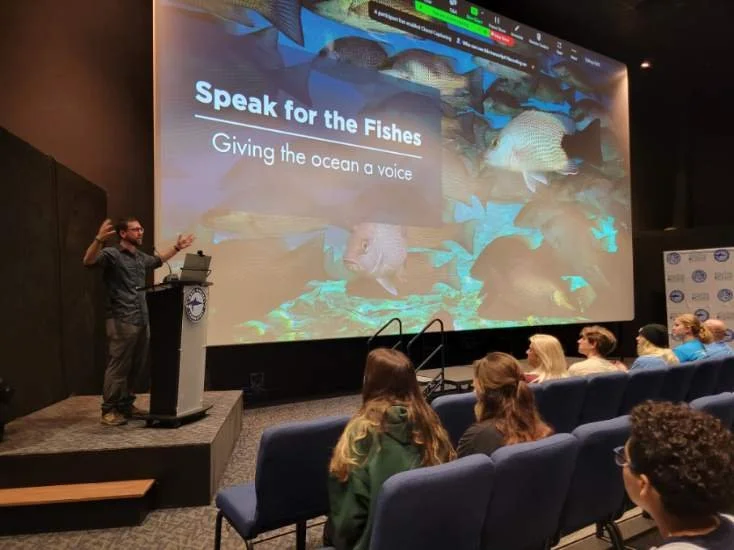
Diving deep into the Youth Ocean Conservation Summit
On December 10th, Ocean leaders from around the state of Florida and around the world gathered to connect and learn from one another on what it means to build a sustainable future for the oceans. Kicking off the event, Running Wild Media’s very own co-founder Justin Grubb delivered the keynote speech titled “Speak for the Fishes: giving the ocean a voice.”
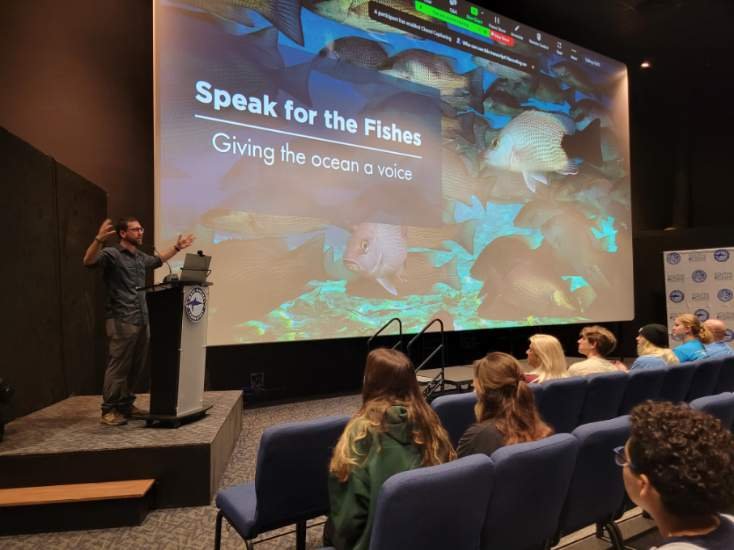
Co-founder Justin Grubb presenting the keynote presentation for the 2022 Youth Ocean Conservation Summit held at Mote Marine Laboratory in Sarasota, Florida.
DELIVERING THE KEYNOTE PRESENTATION
On December 10th, Ocean leaders from around the state of Florida and around the world gathered to connect and learn from one another on what it means to build a sustainable future for the oceans. Kicking off the event, Running Wild Media’s very own co-founder Justin Grubb delivered the keynote speech titled “Speak for the Fishes: giving the ocean a voice.” This talk dove into what events in Justin’s life inspired him to get info science communication, why it is important in conservation, and how summit participants all have a special voice and superpower they can use to save the world. The presentation ended on how hopeful Justin is for the future and how the Youth Ocean Conservation Summit in itself is a special community of supporters who are all there for one another.
DEEP DIVE MEDIA LAB


For a select few Summit participants, the opportunity to go through media training was provided by Running Wild Media. Each participant went through training on how to find an audience, how to communicate, technical skills relating to using video and photography, and each workshop participant walked away with their very own video to help share their message with their community to support their ongoing conservation work. Each participant had a conservation project they were already working on, and this media training aimed to help support that work.
This video was produced by one of the Deep Dive Media Lab participants.
MORE ABOUT THE YOUTH OCEAN CONSERVATION SUMMIT
Around the world, our ocean and its inhabitants face many challenges. As human impacts continuously threaten the health of our marine ecosystems, both locally and globally, it is imperative that we involve youth in a campaign to solve these problems. The Youth Ocean Conservation Summit, launched in 2011 and held annually at Mote Marine Laboratory in Sarasota, FL, as well as satellite locations around the world, provides youth participants of all ages (upper elementary-college) the opportunity to learn from marine scientists and conservationists about current threats facing marine ecosystems, both locally and globally.
Through the event, participants are also inspired by their peers – youth leaders who are taking immediate action leading projects to protect the ocean. Attendees then collaborate with peers and mentors to develop action plans for their own ocean conservation projects. Workshops offered at the summit allow participants to gain the skills necessary to successfully implement conservation projects, teach participants about career opportunities in marine conservation, and expose them to opportunities they can take part in to help protect our planet's oceans and their inhabitants. Throughout the year, Summit alumni are connected to the global Youth Ocean Conservation Team – connecting them to other youth and adults around the world who are dedicated to taking action to protect the ocean and resources to help support their ocean conservation projects.
Learn more here about the Youth Ocean Conservation Summit.

Expedition Iceland 2022
Our recent Running Wild photo expedition brought us to the edge of the world to Iceland, a country known for its intense landscapes and incredible culture. Our group got a chance of a lifetime to witness the northern lights, connect with the unique Icelandic culture, and be apart of the dramatic battle of the Icelandic landscape.


Our recent Running Wild photo expedition brought us to the edge of the world to Iceland, a country known for its intense landscapes and incredible culture. We started our journey in Reykjavík, the capital city of Iceland. Here we enjoyed local foods, enjoyed drinks, walked the colorful streets, and visited a few local museums to learn more about the cultural history of Iceland and the Vikings. That night, we calculated that there would be a great chance to see the northern lights, so we drove an hour out of town to an area with few clouds and we were treated to an incredible show.
The following day we traveled to Þingvellir National Park to take a cold swim in the Silfra Fissure. This fissure was formed between the Eurasian Tectonic Plate and the North American Techtonic Plate as Iceland sits right on the Mid-Atlantic Ridge where both plates pull away from one another, creating more land as time goes by. After our snorkel, we traveled around the park to enjoy the incredible waterfalls and geysers nearby.


Our next major destination was a town called Vik, a small beach town on the southern edge of Iceland which boasted dramatic landscapes, black sand beaches, and intense rock formations. We also got a chance to explore Sólheimajökull - a large glacier associated with the mighty icecap of Mýrdalsjökull, the largest in Europe. After a few days here, we worked our way north to the town of Grundarfjörður to see the famous Kirkjufell mountain and falls. We were treated to more northern lights as well as more rugged mountainous landscapes to explore. Our last major stop was to visit the charming fishing town of Husavik in the Northern part of Iceland. Here we watched the northern lights dance above us as we explored the bay and the Iceland Sea. We also explored Mývatn, hiked the Hverfjall volcano, and spent the evening in the Mývatn Nature Baths. On our way back to Reykjavik, we observed a G1 solar storm and had a chance to see the northern lights like never before. The colors were absolutely intense and rained down on us as we ran around snapping photos of the sky and landscapes that surrounded us.
All in all, we had an unforgettable trip through Iceland, but what truly made it special were the people who made the journey with us.


To create the photos we did on this expedition, we sometimes had to go to great lengths to get to each location. In some places we snorkeled, in some places, we rode snowmobiles, and in others, we had to hike far distances. Luckily, several locations had roads that went right up to iconic landmarks. As a group, we all had a blast exploring Iceland together and as with all of our expeditions, our guides helped our travelers with developing their photography skills.


Running Wild Expeditions is a unique travel opportunity for fellow travelers to see the world as we do on our various photo and storytelling assignments. Each trip is full of incredible experiences, adventure, photo lessons, conservation opportunities, and loads of learning. Click here to learn more about our future trips.

Exhibiting at the Toledo Lucas County Library
We recently showcased our “Conservation through a Lens” traveling wildlife photography exhibit at the Toledo Lucas County Public Library. This exhibit showcased over 40 large colorful metal prints, three major photo stories, a host of special workshops and programs, and several short film screenings.

The entrance to the Conservation through a Lens gallery at the Toledo Lucas County Public Library
We recently showcased our “Conservation through a Lens” traveling wildlife photography exhibit at the Toledo Lucas County Public Library. This gallery highlights extraordinary wildlife from around the world and their intriguing conservation stories through captivating photography, video, workshops, and powerful interpretation - this exhibit takes a multidisciplinary approach to combine science and art in a way that can benefit the community and our local ecosystems.
This exhibition featured over 40 large colorful metal prints each featuring a fascinating animal depicting a captivating conservation story. By using the QR codes next to the images, visitors can connect to additional content relating to each photo such as sounds, films, additional photos, and more! The photos represent the work of photographers Justin Grubb and Alex Goetz from their various assignments around the world for National Geographic, BBC, PBS, and more.
Several conservation stories were featured in the gallery including the work of the Red Wolf Recovery effort featuring the Endangered Wolf Center and Weiler Woods for Wildlife. Additionally, the work of Planet Indonesia was featured in their photo story about the conservation work done to support communities caring for helmeted hornbills in Borneo. Lastly, a photo story featuring the work of visiting photographer Christy Frank highlighted the story of a nesting pair of piping plovers that recently visited Maumee Bay State Park.


As a part of the exhibition, several workshops were conducted to teach members of the community to improve their skills in wildlife photography, converting photography into videography, and to learn how to cook with and consume bugs! Additionally, several films were screened during the Running Wild Media take over including “Resilience: Story of the American Red Wolf,” “Hellbent,” and “Ploverville.”


This traveling gallery is an incredible way to connect your community to local and global conservation efforts as well as bring workshops that teach special knowledge and skills to your area. To schedule a wildlife photo exhibition in your area, email info@runningwild.media.
The photos printed in the gallery were printed by Bay Photo Lab, who generously supports our wildlife conservation photography exhibitions through discounted printing services.

Exhibit at the St Louis International Airport
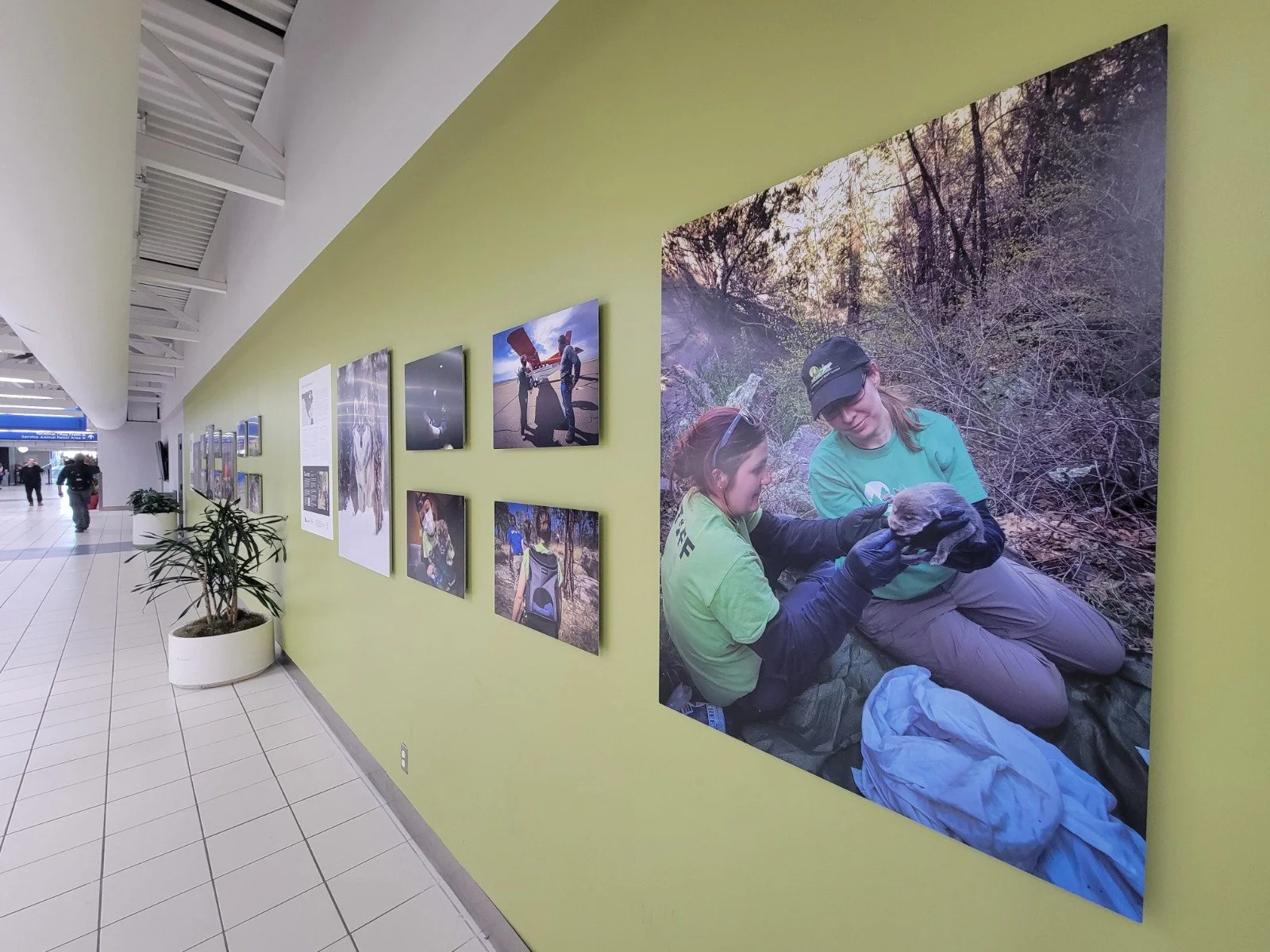
On October 11th, installation began in Terminal 2 of the St Louis International Airport on a 6-month exhibition featuring the work of the Endangered Wolf Center. This exhibition follows the journey of two wolf species, the red wolf and the Mexican wolf to the wild from managed care facilities.

The wolf conservation photo exhibition featuring the work of the Endangered Wolf Center.
On October 11th, installation began in Terminal 2 of the St Louis International Airport on a 6-month exhibition featuring the work of the Endangered Wolf Center. This exhibition follows the journey of two wolf species, the red wolf and the Mexican wolf to the wild from managed care facilities.
The red wolf is the most endangered wolf in the world and is only found in a small population of less than 30 individuals in North Carolina. This species went extinct once in the wild, but was brought back thanks to the work of federal and state agencies as well as local and national conservation facilities, such as the Endangered Wolf Center. The Mexican wolf has faced similar challenges, although never went extinct in the wild and exists in a much larger population thanks to federal protections afforded them within their current range in New Mexico and Arizona.
This installation represents a partnership between the St Louis Lambart International Airport, the Lambart Arts and Culture Program, RAC, Via Partnership, Running Wild Media, the Endangered Wolf Center, and Weiler Woods for Wildlife, who generously supported the printing of the red wolf photo gallery.
Bay Photo Lab is another generous supporter of this gallery and printed the images on display.




Working with AJ+ featuring the Marshallese Community
Earlier this year we had the privilege to work with AJ+ on a story about the Marshallese community and what they have gone through over the past several decades as a result of the US Nuclear Weapons Testing Program.
Earlier this year we had the privilege to work with AJ+ on a story about the Marshallese community and what they have gone through over the past several decades as a result of the US Nuclear Weapons Testing Program. These videos may be shocking to some viewers, as much of this history has been swept under the rug.
The stories we heard were heartbreaking, but the resilience of this wonderful community is inspiring.
One of the largest Marshallese communities found outside of the Marshall Islands is found in the State of Arkansas. This migration occurred after many of their home islands were deemed unlivable because of the nuclear testing that went on by the United States. The Marshall Islands are a beautiful group of islands surrounded by biodiverse coral reefs, rich foods, and contain incredible culture. That was all sacrificed in the mid-20th century so that the United States could test weapons the region.


Part 1: The Biggest Nuclear Weapon the U.S. Detonated Wasn't in Japan
Part 2: Why a Royal Princess From the Pacific is in Arkansas

Working with Metroparks Toledo
Since 2018, we have had the opportunity to produce countless video and photo projects for Metroparks Toledo. It's easy to have fun with every project that comes our way from Metroparks Toledo, when the passion behind the team is so apparent.
Since 2018, we have had the opportunity to produce countless video and photo projects for Metroparks Toledo. It's easy to have fun with every project that comes our way from Metroparks Toledo, when the passion behind the team is so apparent.
Metroparks Toledo has been a leader in conservation in the Northwest Ohio region, conserving over 12,000 acres of land and restoring globally rare Oak Openings region habitat and wetlands.
We're excited for what the future holds for Metroparks Toledo and the region they impact, and to share our new collaborations!
Here are some of the awards and recognition that Metroparks Toledo has received for work that we have been apart of:
-Gold Addy Award for the Bigfoot in Metroparks Toledo web series.
-Silver Addy Award for the "I Am a Treehouse" video promoting the Cannaley Treehouse Village at Metroparks Toledo, the largest public treehouse village in the country.
-2021 - 2nd place in Ohio Parks and Recreation Association, Marketing Innovation for Conservation at Work video series
-2020 - 2nd place in Ohio Parks and Recreation Association, Marketing Innovation for "Park Places and Family Faces"

Stories from the field: filming rattlesnakes
Filming rattlesnakes along Georgia's coast is no easy task. Just locating these stealthy animals is a complicated and exhausting endeavor. Luckily, we know a guy and teamed up with the Jekyll Island Authority to explore this beautiful barrier island and get up close and personal with some of the Island’s most secretive residents.
Filming rattlesnakes along Georgia's coast is no easy task. Just locating these stealthy animals is a complicated and exhausting endeavor. Luckily, we know a guy and teamed up with the Jekyll Island Authority to explore this beautiful barrier island and get up close and personal with some of the Island’s most secretive residents.

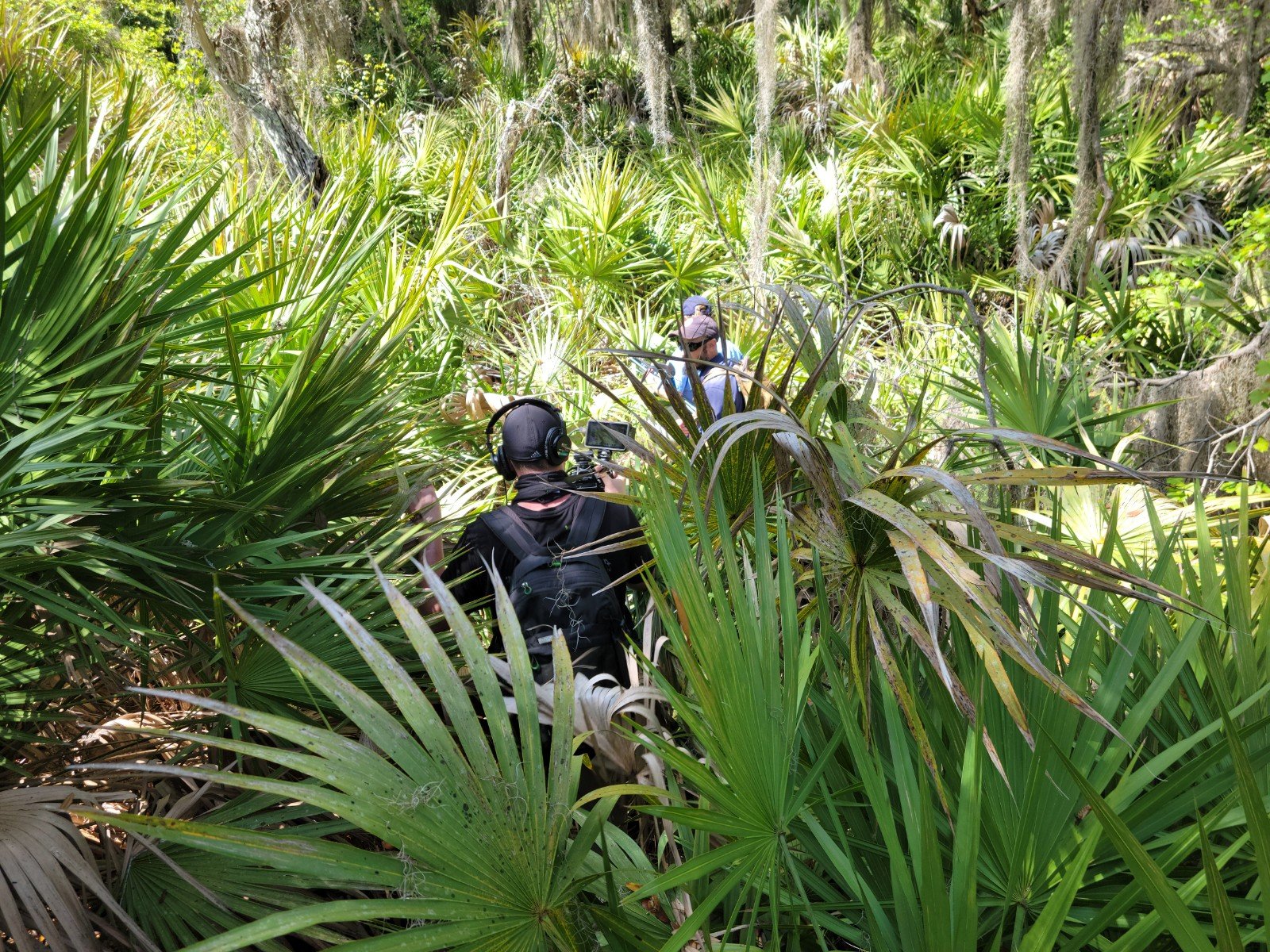
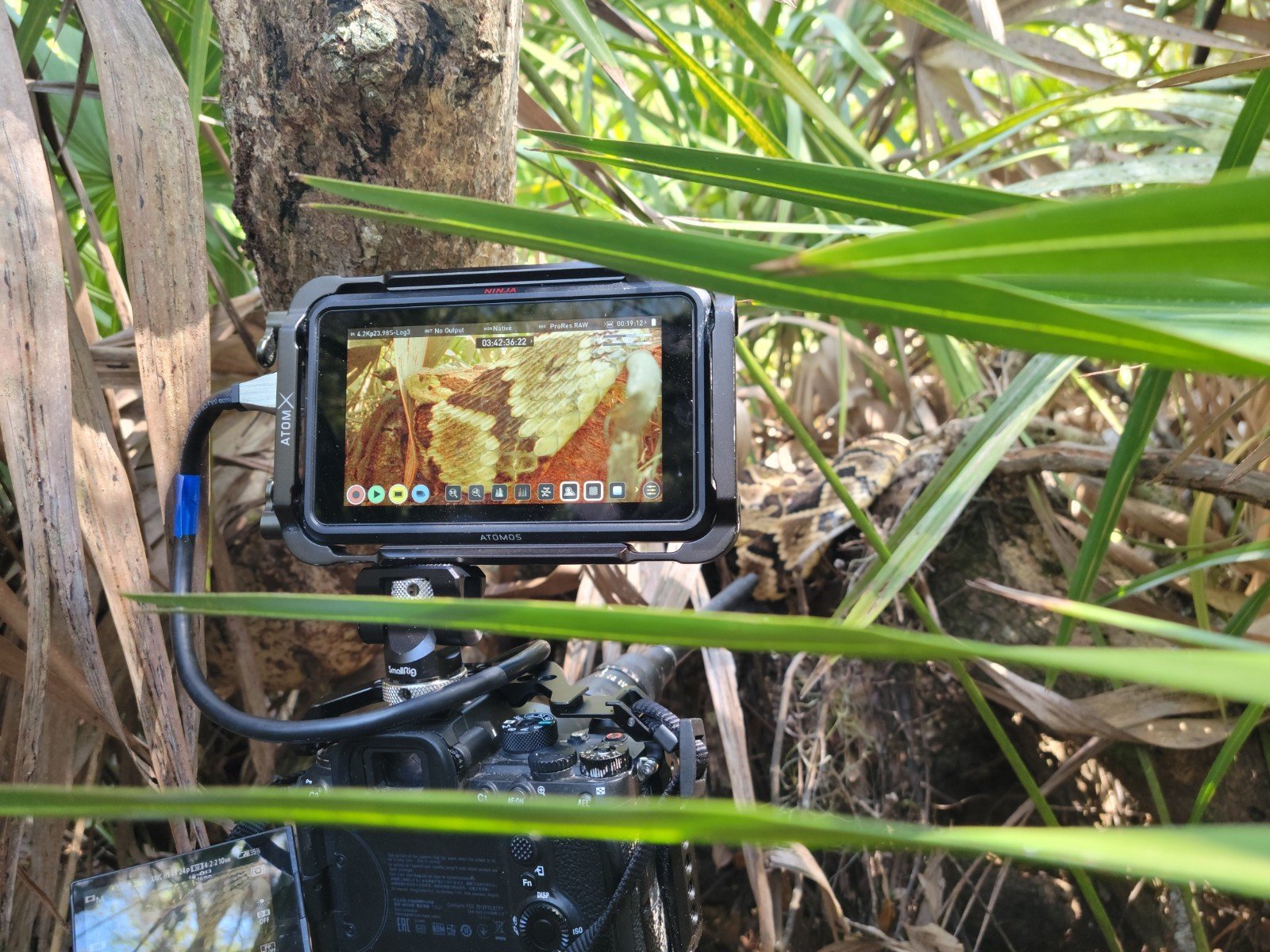
The loud pinging noise becomes ever clearer as biologist Joseph Colbert swings his radio telemetry antennae around towards a giant clump of saw palmetto. “I bet you she’s under there somewhere,” he says as he uses his snake hook to clear the vegetation away so we can see the base of the plant. Sure enough, there was a large eastern diamondback rattlesnake sitting right there in ambush, most likely hoping for a marsh rabbit to run by. Each snake that is a part of the Jekyll Island Authority research project has a radio transmitter that emits a frequency that can be picked up by the antennae. This allows biologists to better understand where these snakes hang out and what habitat they prefer to use. This also allows them to find them throughout the year and collect valuable data such as how much they weigh. Getting to each snake was difficult, painful at times, and required bushwhacking through tick-infested underbrush for several hundred meters in the Southeastern humidity. Sweet, blood, and tears were plentiful, but every time we went out into the field we were rewarded with incredible encounters with the resident pit vipers.
Co-founders Justin and Alex went out with Joseph to film his research, get up-close footage of the snakes, and explore Joseph’s story from his military service with the US Marine Corps to serving as the Island’s biologist. The team is currently working on a short film about the topic which will be released later this year.
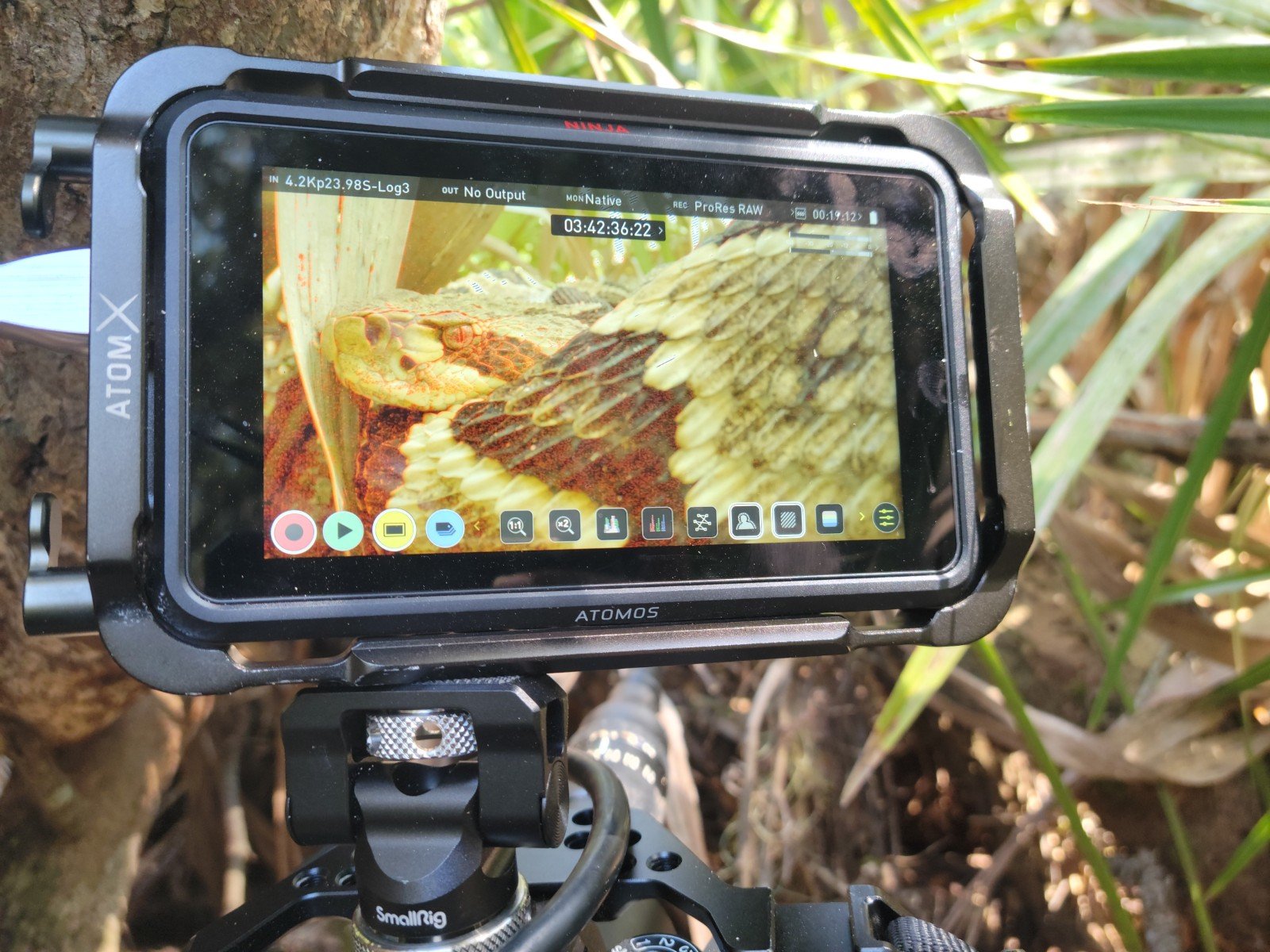
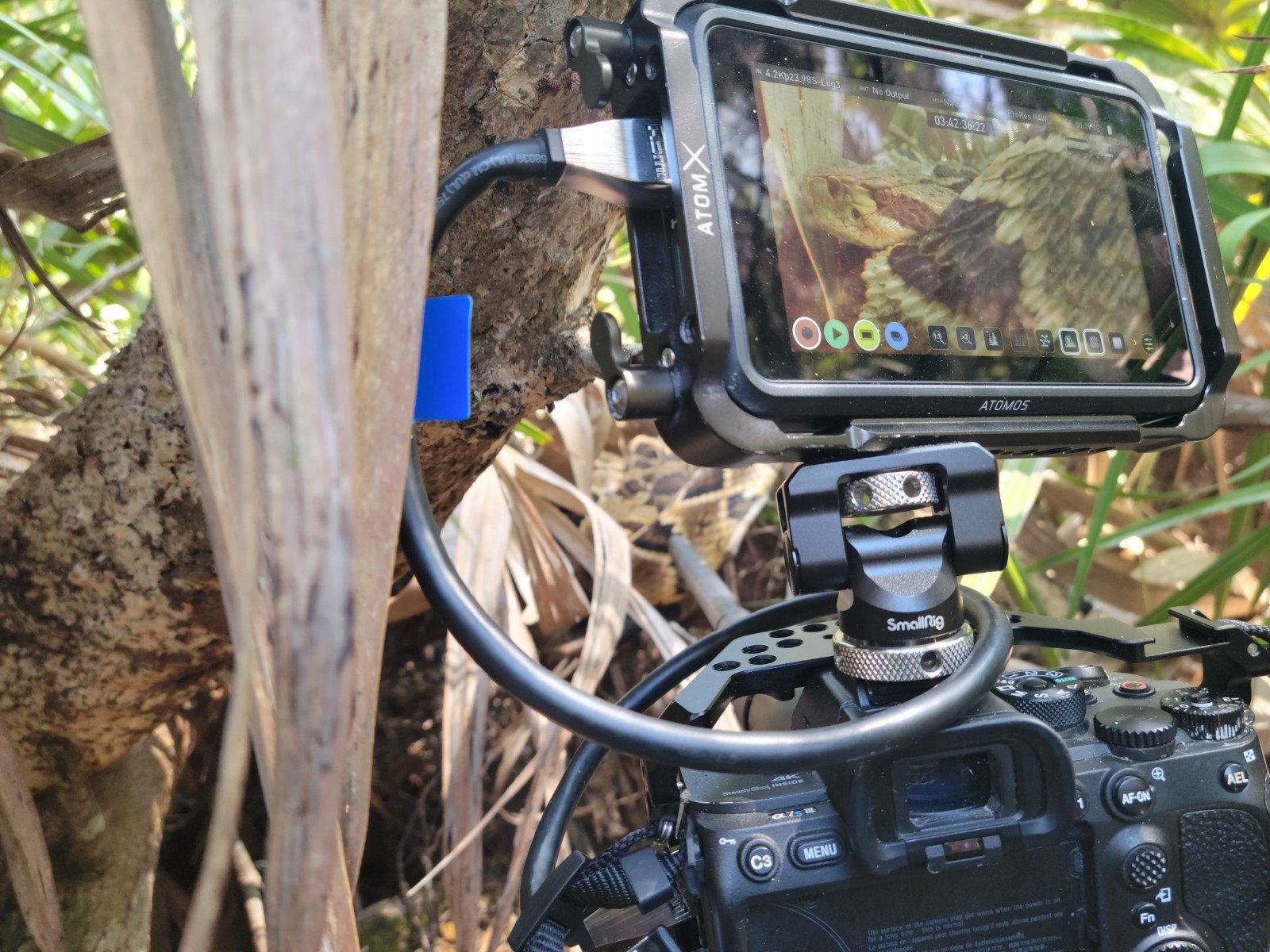
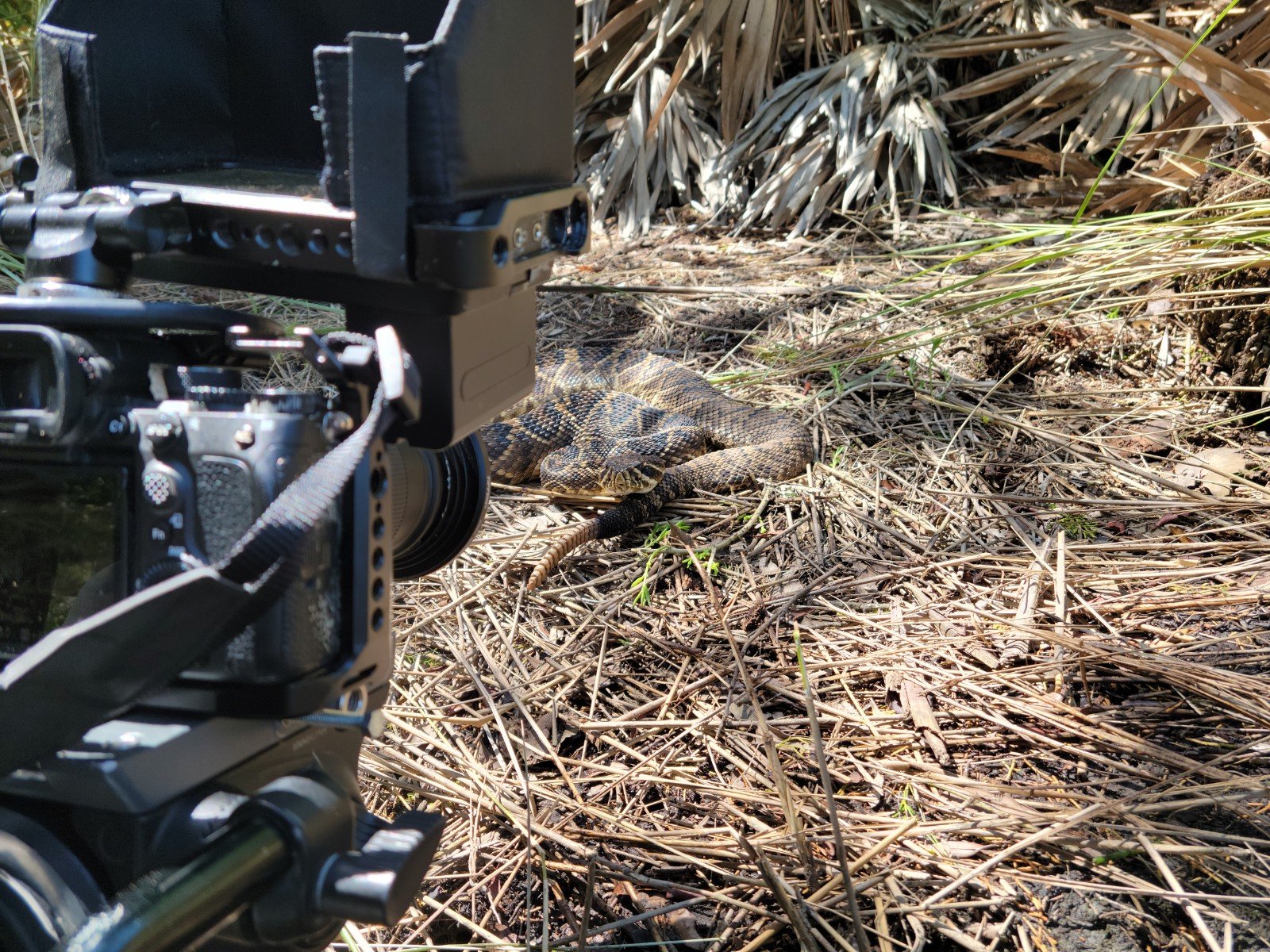
When approaching each individual, extreme caution was used and we gauged the temperament of the snake. Due to the time of year, the snakes were not exceptionally jumpy and were tolerant of our presence. We then got close by using a specialized lens that looks like a long skinny tube called a Laowa probe lens. This lens allows us to get a wide-angled macro shot of the animal, showing it in its natural environment. These snakes are incredibly venomous, therefore, we had to secure a specialized permit in order to do this kind of filming.
Filmmaking from the canopy
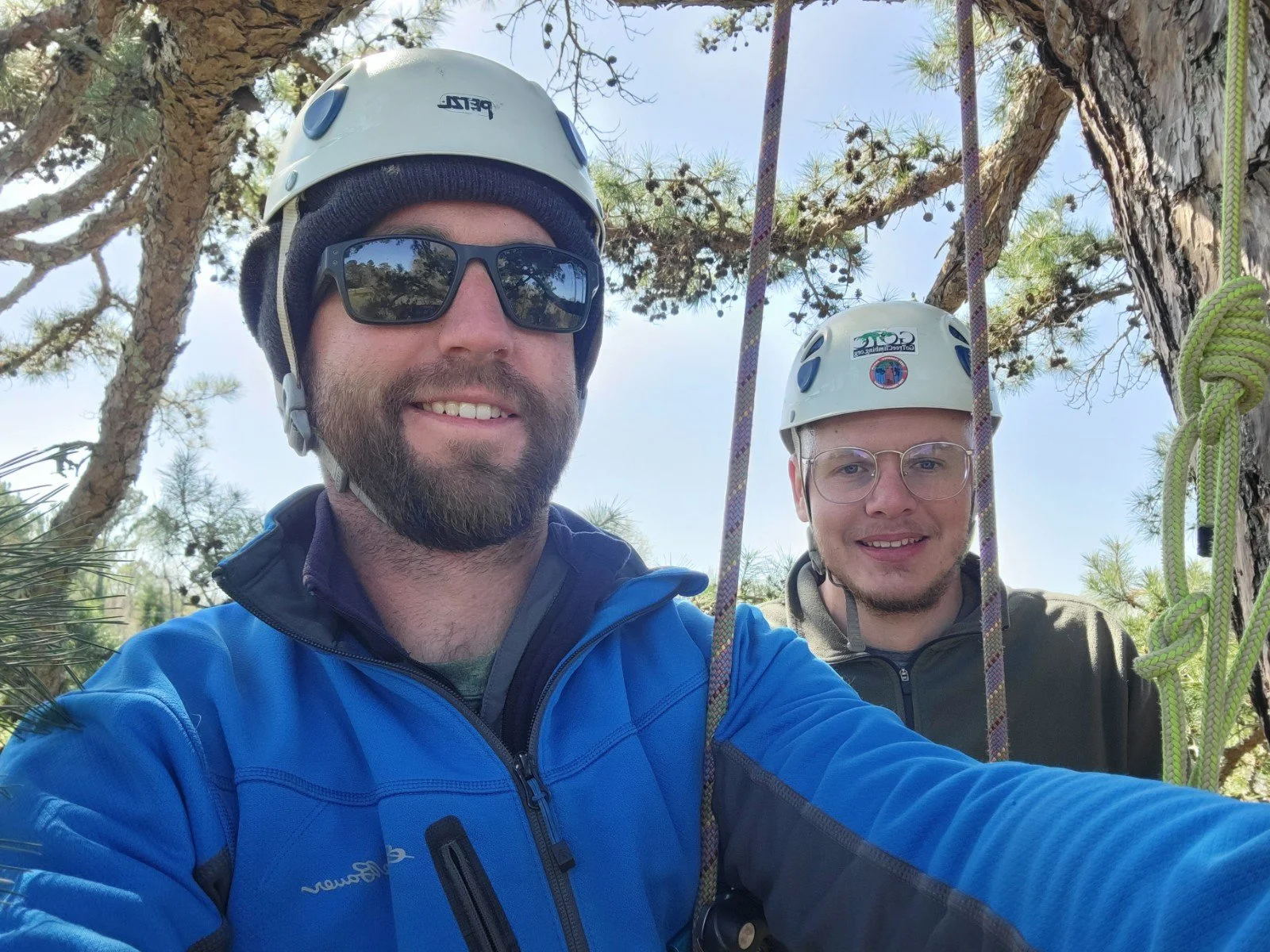
Getting footage of wildlife from unique perspectives and vantage points is essential in telling noval wildlife stories. Co-founders Justin Grubb and Alex Goetz traveled down to Georgia to learn how to climb trees in order to film stories in one of the most under-explored regions on earth - the canopy.

Justin and Alex take a photo 80 feet up in a pine tree.
Getting footage of wildlife from unique perspectives and vantage points is essential in telling noval wildlife stories. Co-founders Justin Grubb and Alex Goetz traveled down to Georgia to work with Tree Trek to learn how to double rope and single rope climb trees in order to film stories in one of the most under-explored regions on earth - the canopy. Thousands of incredible species call this ecosystem home, including birds, insects, mammals, reptiles, plants, fungi, and more. Some of these species live their entire lives without ever touching the ground. Additionally, plants, called epiphytes, live on the branches of tall trees in the rainforest to allow them to get sunlight that would otherwise be impossible to receive on the ground.


Training consisted of three days of learning knot techniques, safety systems, rescue training, techniques for setting lines, and lots and lots of climbing. We are excited to begin working in this incredible ecosystem and hoist really expensive camera equipment hundreds of feet in the air to film delicate moments in the lives of a multitude of tree-dwelling species. One of our first projects is to collaborate with Planet Indonesia and film the helmeted hornbill in the Bornean rainforest. Check back for more updates as we continue to practice and explore the treetops.
On assignment with Defenders of Wildlife
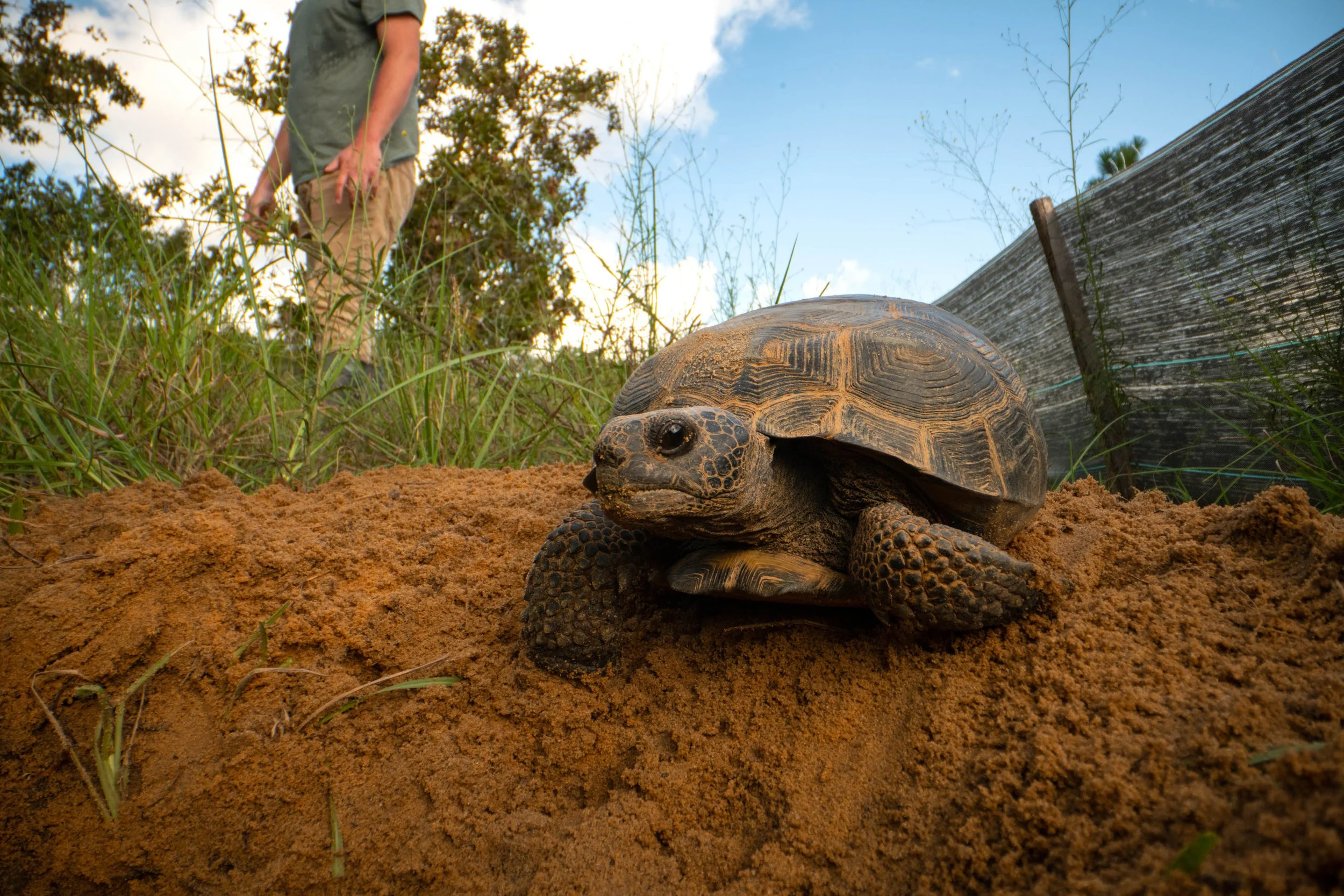
To support Defenders of Wildlife’s ongoing efforts to protect species, landscapes, and natural communities, Running Wild Media went on assignment to Wyoming, North Carolina, Florida, and Georgia to create visual stories to help better communicate their efforts to the world.
To support Defenders of Wildlife’s ongoing efforts to protect species, landscapes, and natural communities, Running Wild Media went on assignment to Wyoming, North Carolina, Florida, and Georgia. We had the opportunity to explore the work of Defenders of Wildlife and meet the people who are working to protect species across these great States and tell their unique stories through visual media.
Below is a photo gallery of some of the incredible species we met and conservation stories we were able to create to help Defenders of Wildlife communicate their mission to the public.


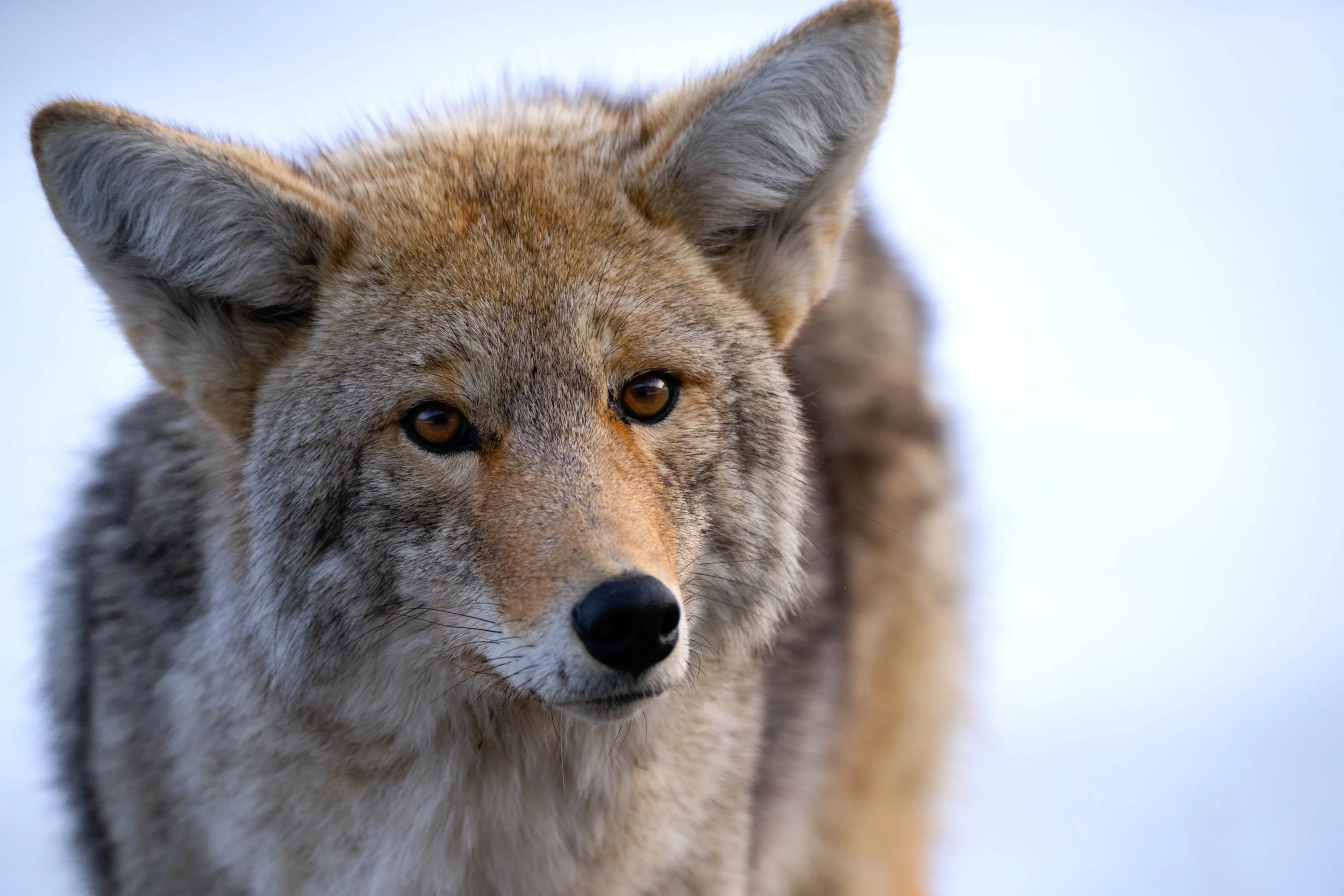


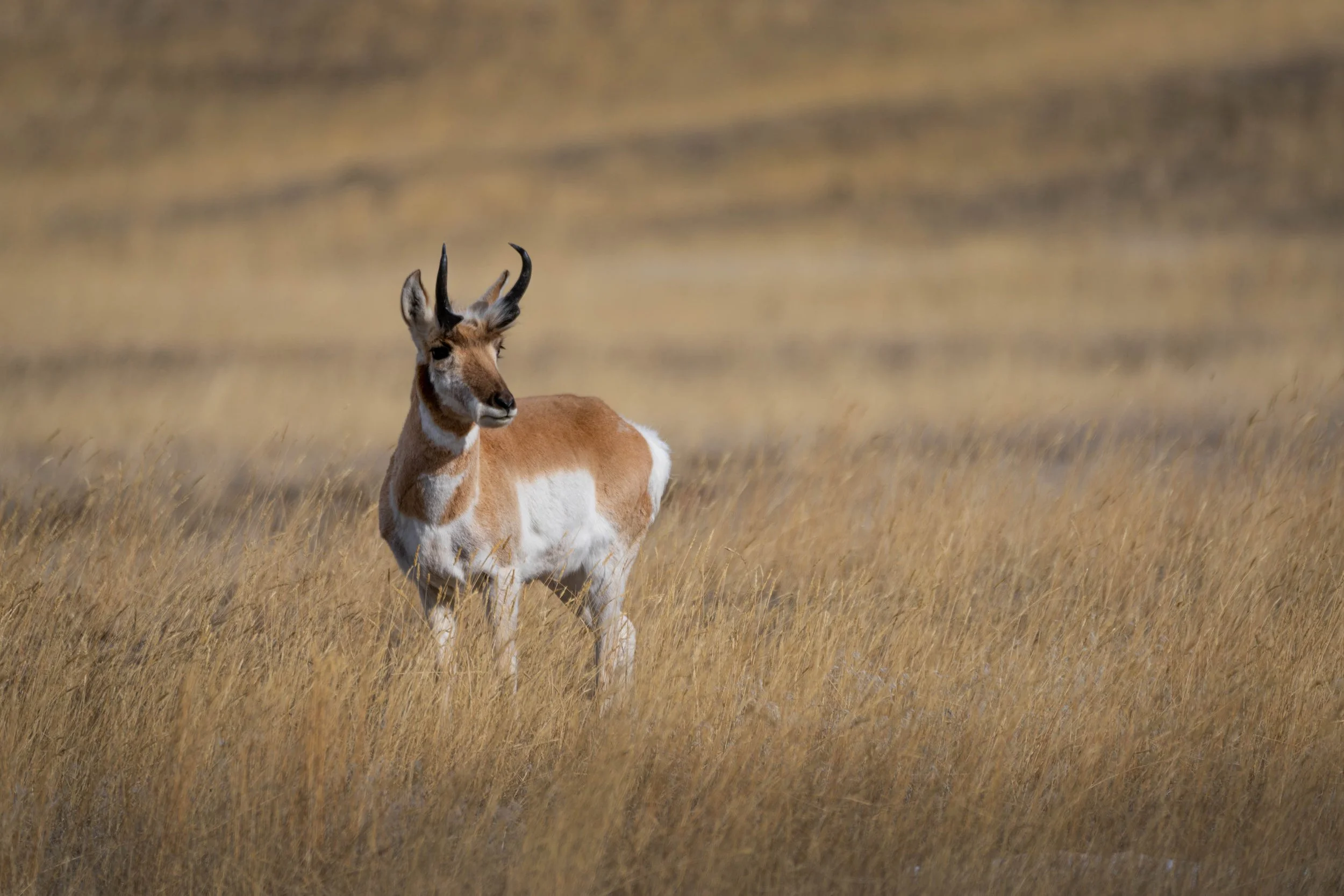
Effectively communicating work to audiences and showing evidence of impact is one of the most important elements to conserving species around the world. If nobody knows about the work that is being done, it will be increasingly difficult to continue conducting initiatives that in some cases are life-saving. Running Wild Media specializes in creating stories that illustrate conservation needs and impact.
Filming wild animals
Filming animals in their native habitat is not easy and requires hours out in the field observing the ecology of the landscape. To get the footage and images to give voices to the voiceless, we often film animals from a distance to try and capture their natural behaviors without influencing them. For close-ups. we often work with researchers and permit holders to get up close to animals through their scientific projects.


Behind the scenes of our adventure including sitting outside for 14 hours waiting for gray wolves to come down from a mountain, kayaking with alligators, tracking otters, camping near a thawing elk carcass, and hanging out among long pine trees.
Filming for “The Mating Game” for BBC ONE
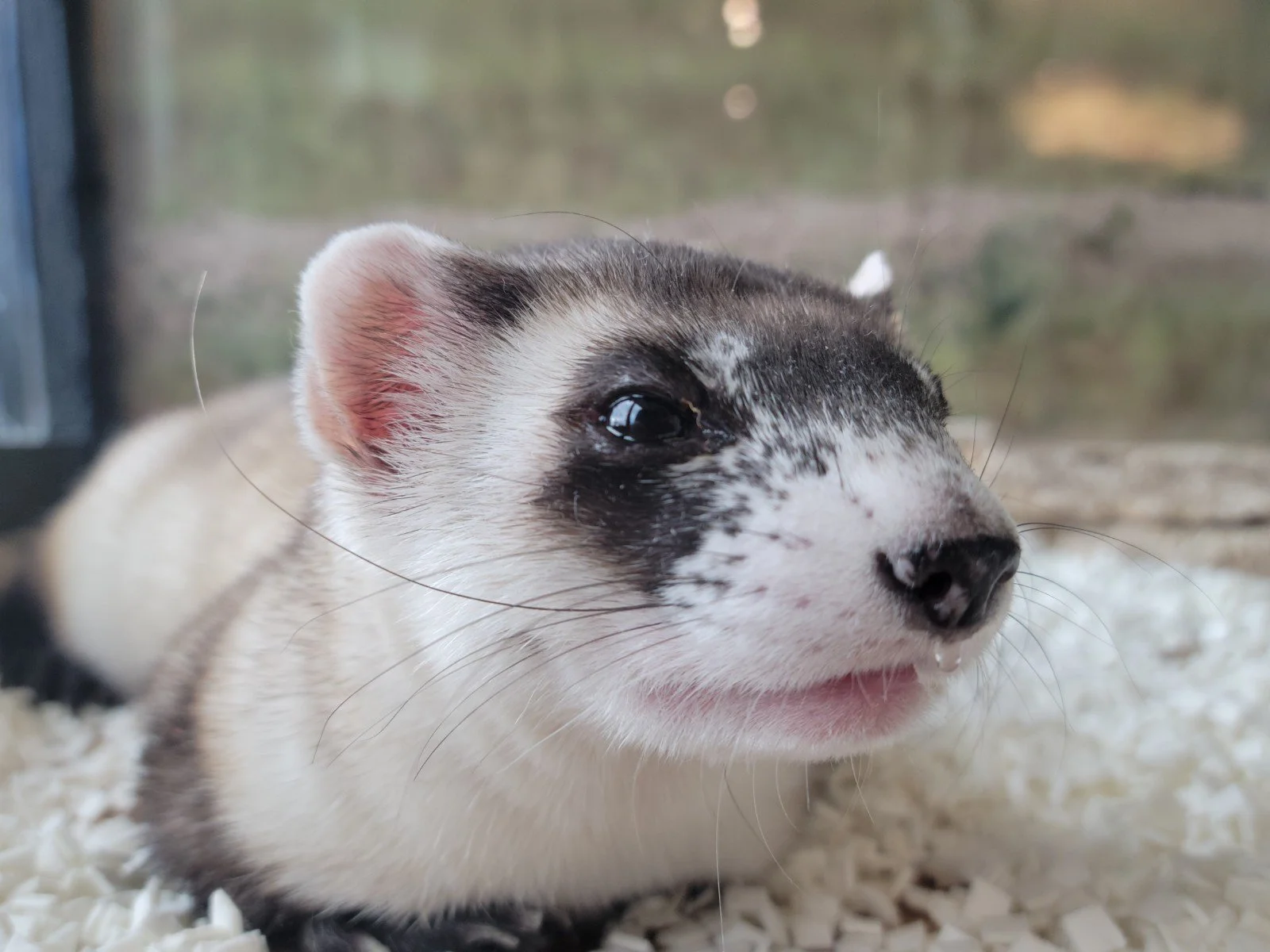
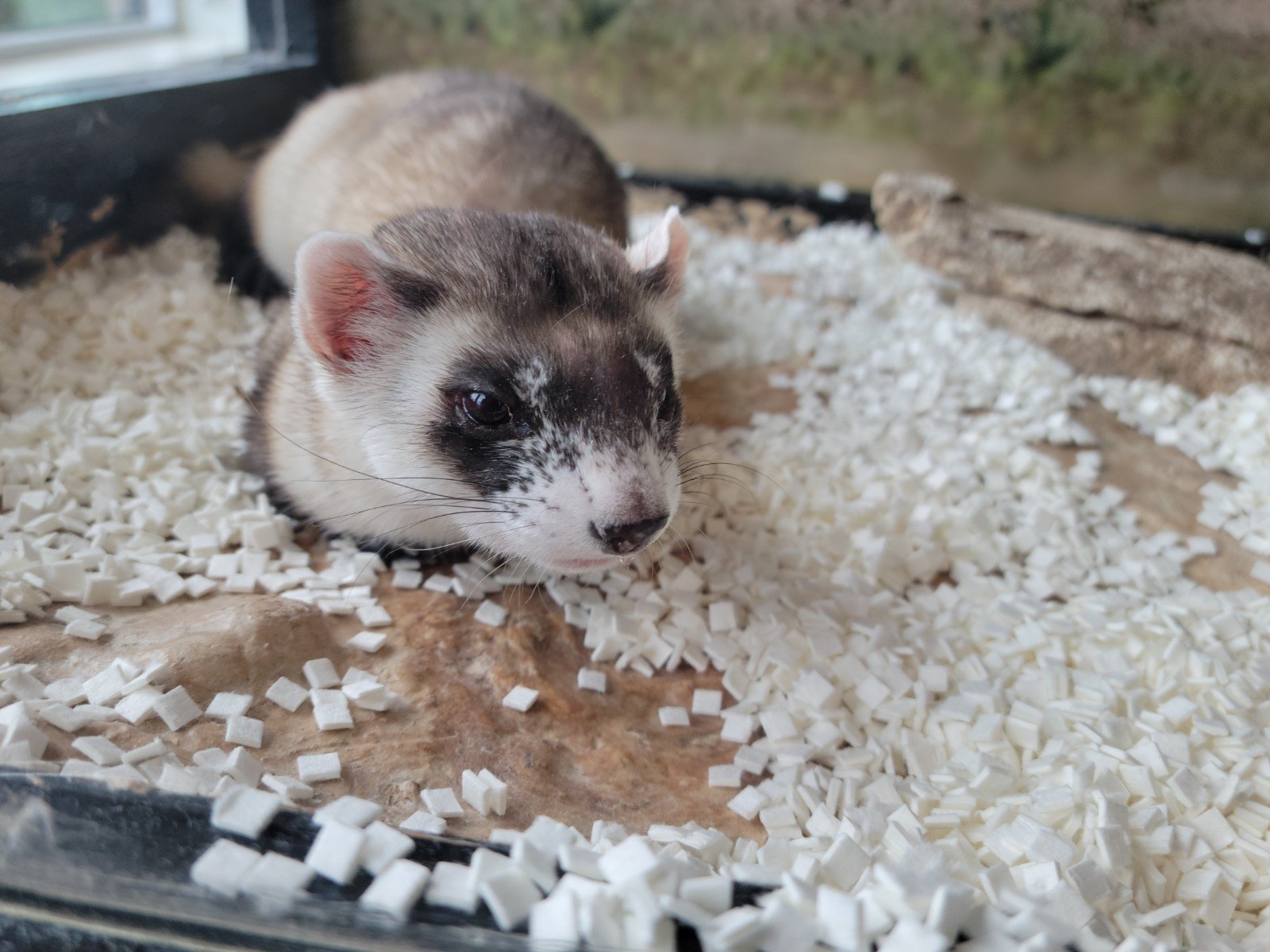
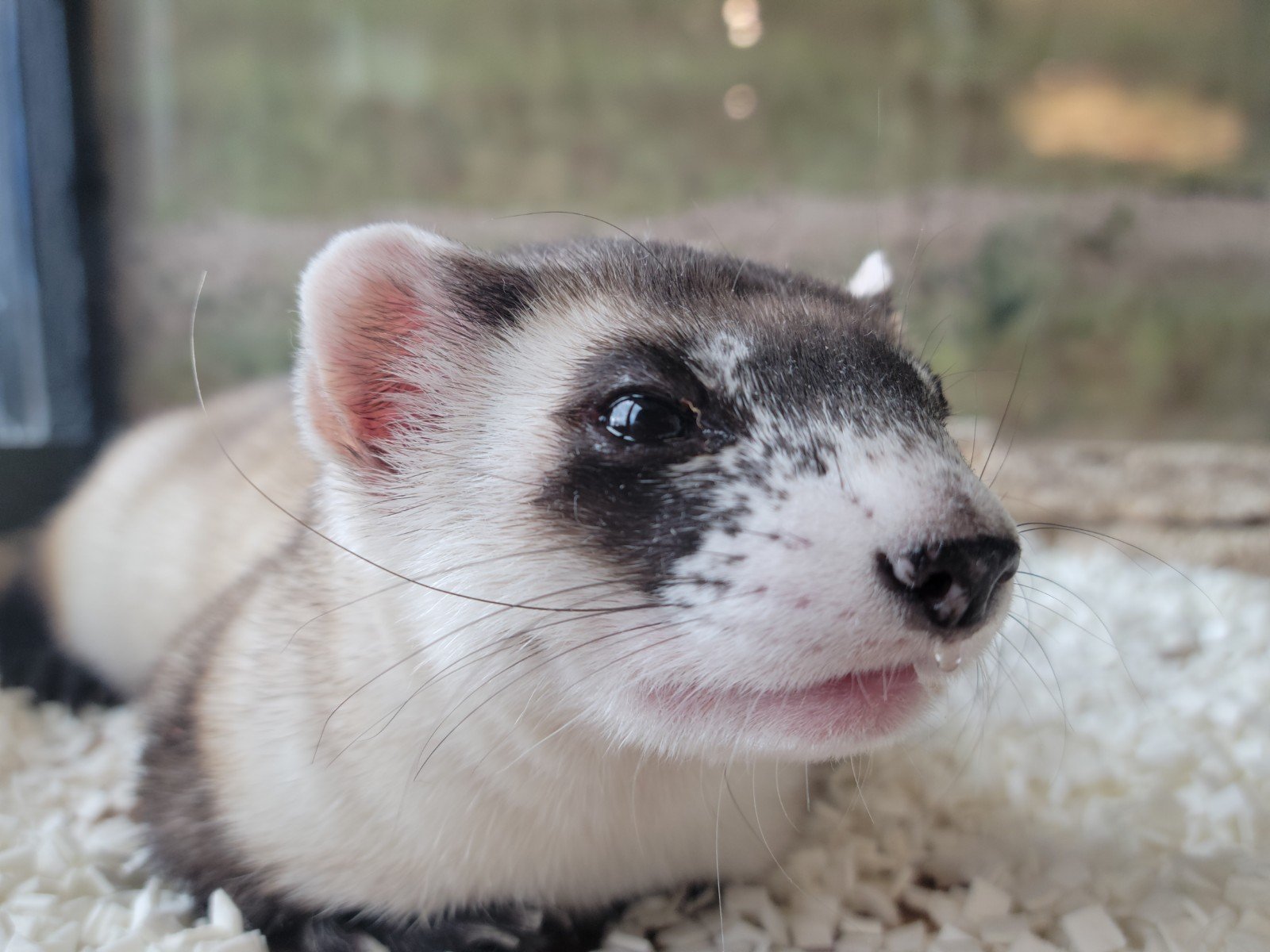
We went on assignment with BBC ONE to film for “The Mating Game” - a David Attenborough narrated series about how wildlife does what wildlife does best - copulate! Our story features the first cloned endangered species in the United States.

Against All Odds
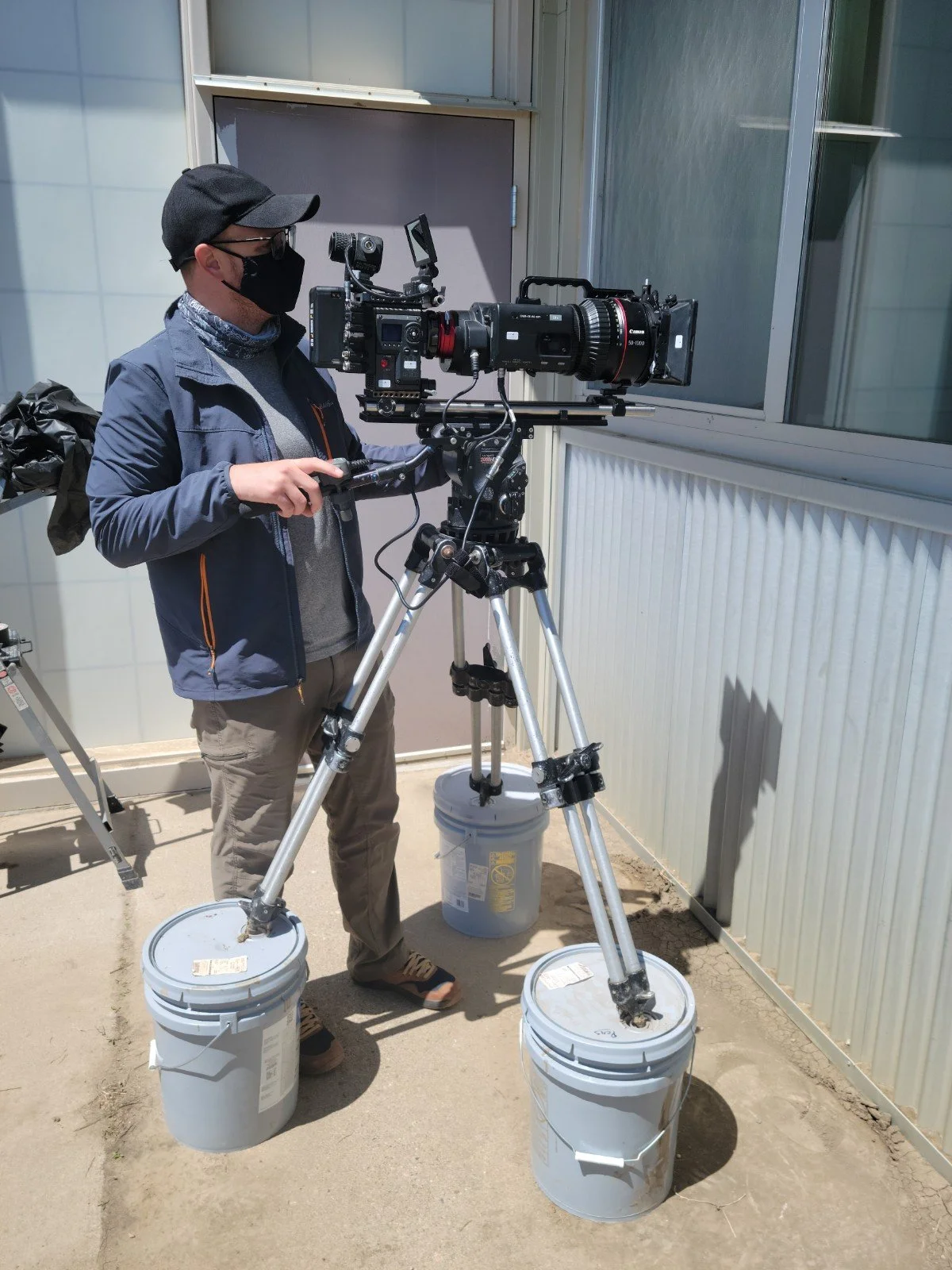
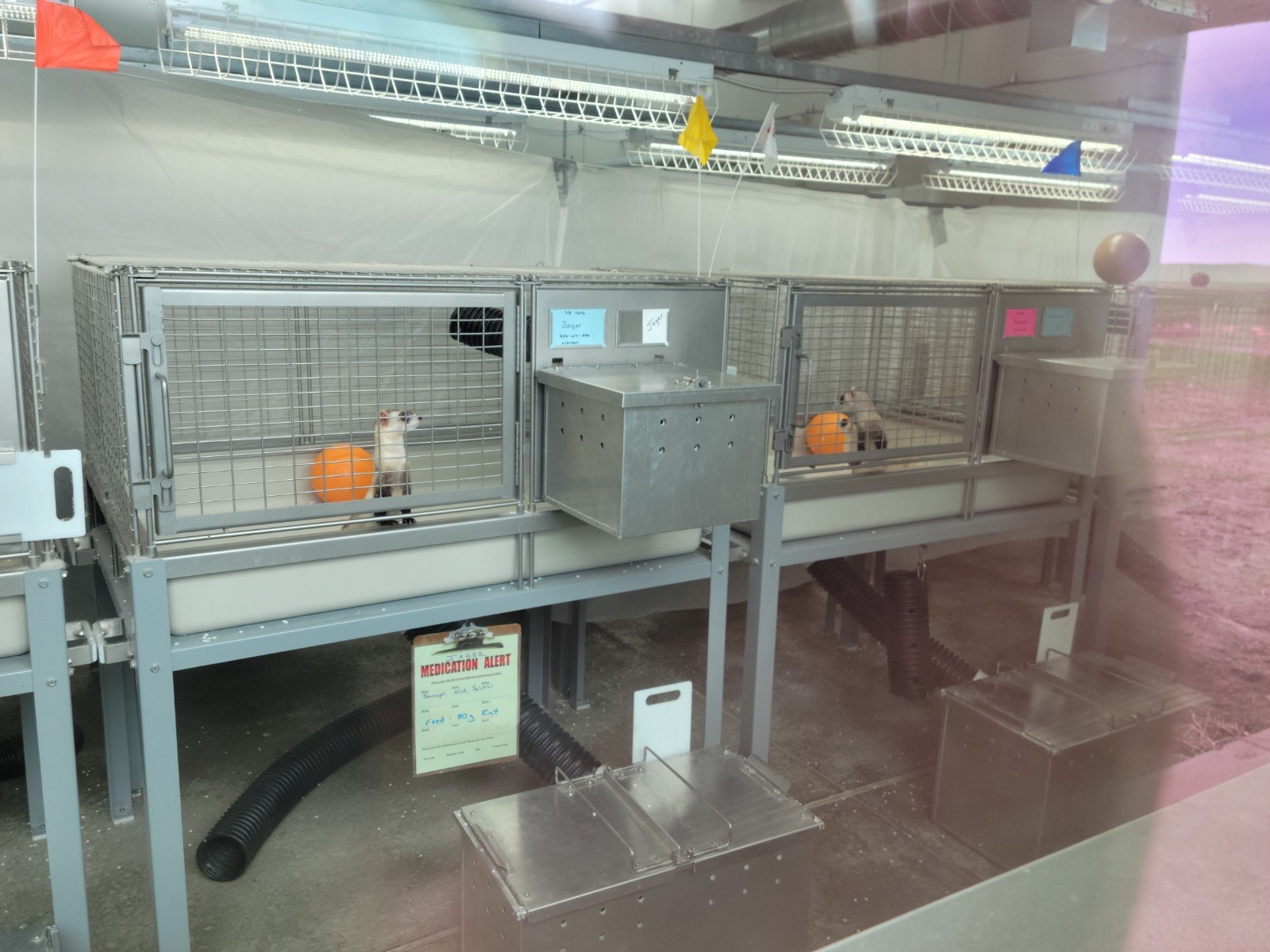
In order to tell the incredible story of Elizabeth Ann - the first cloned endangered species in the US, we traveled to Colorado to meet up with the US Fish and Wildlife Service to see their black-footed ferret conservation program in action.


Click to learn more about the series and watch on Discovery +
Bugging Out with our recent Intern
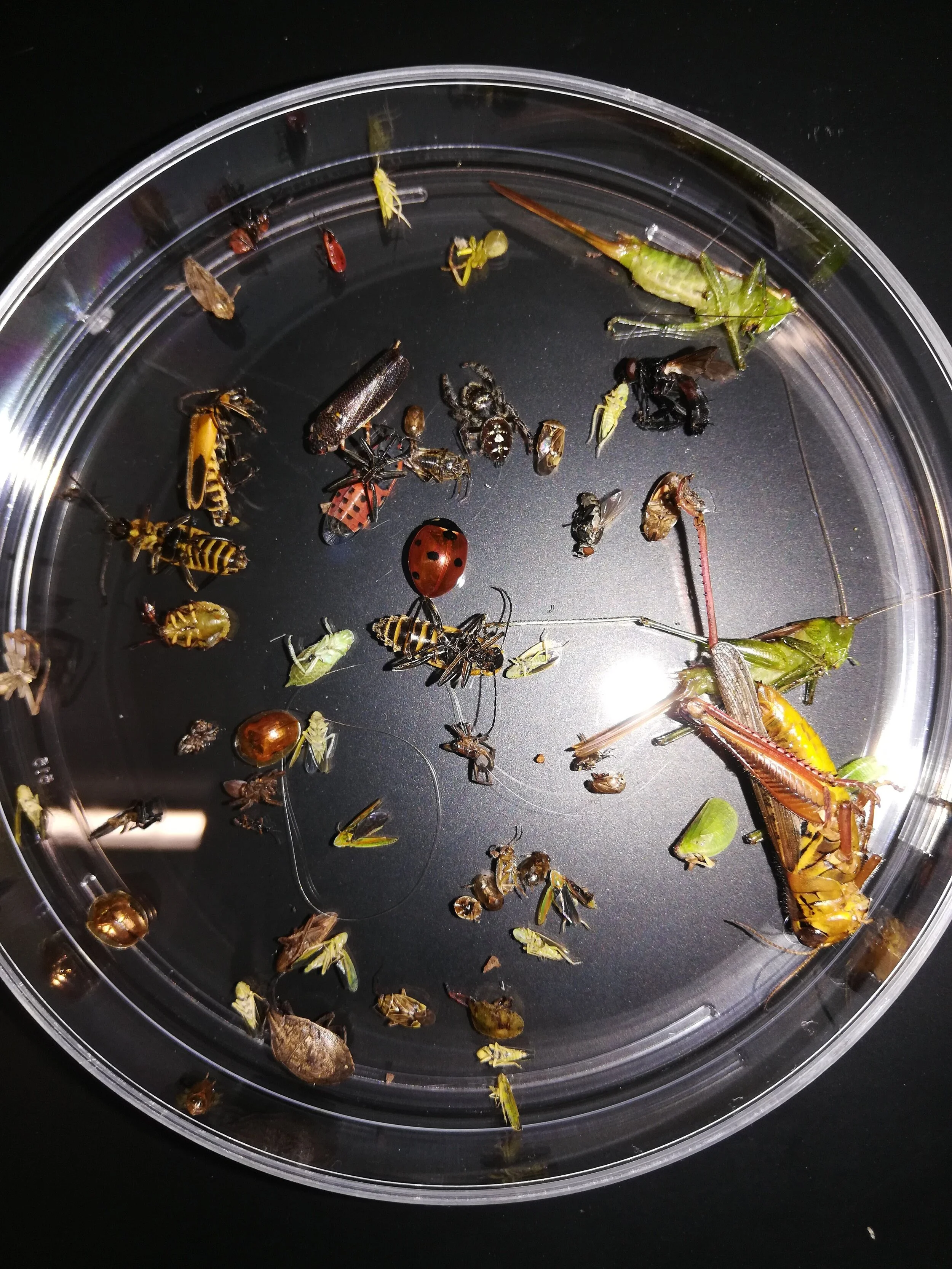
Emily Stafford worked with Running Wild Media to learn about science communication and its importance in conserving species in her backyard. Through her internship, she created an incredible podcast informing her community about the importance of insect biodiversity.
Bugging Out
By Emily Stafford, 8/13/2021
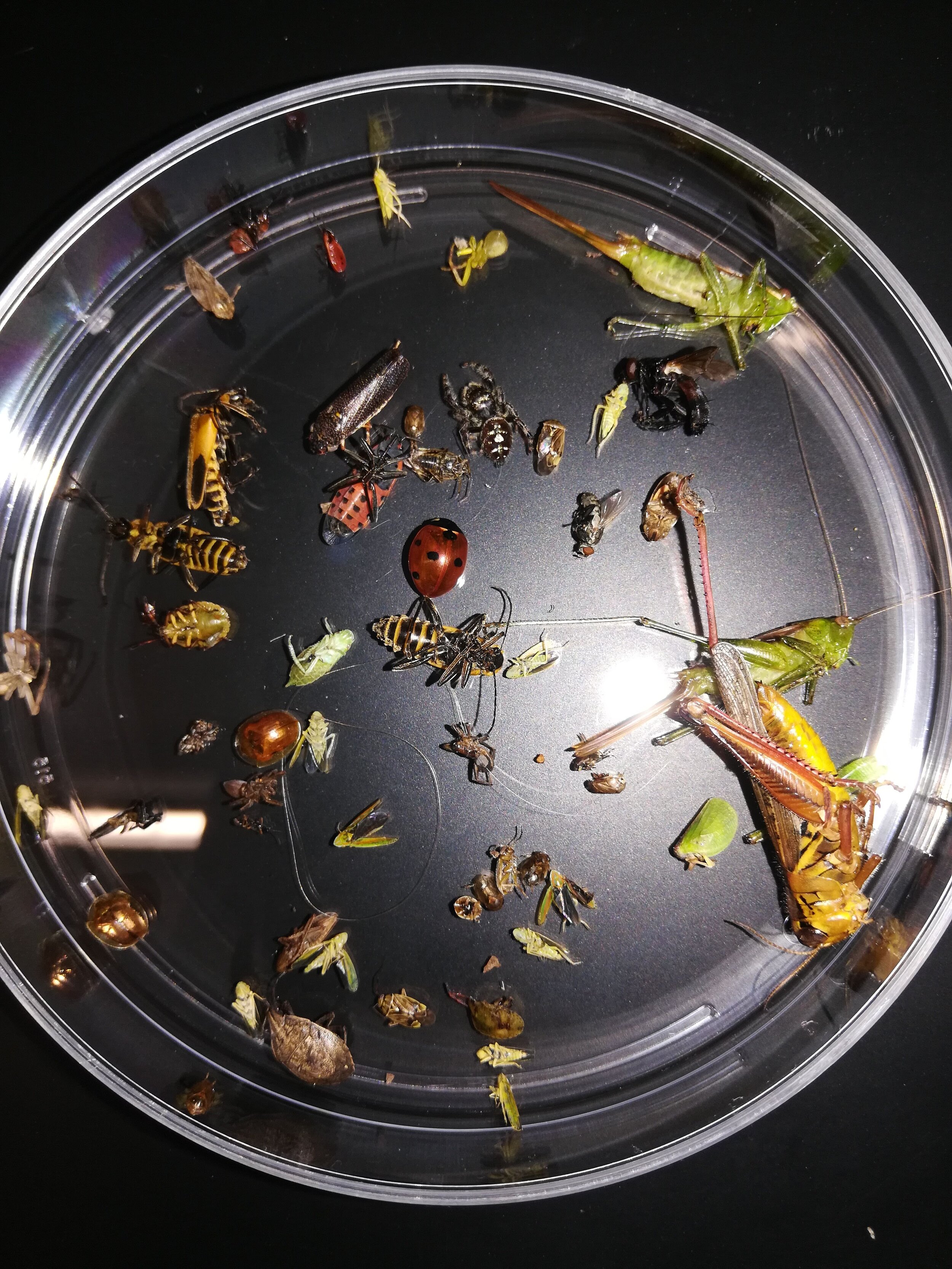
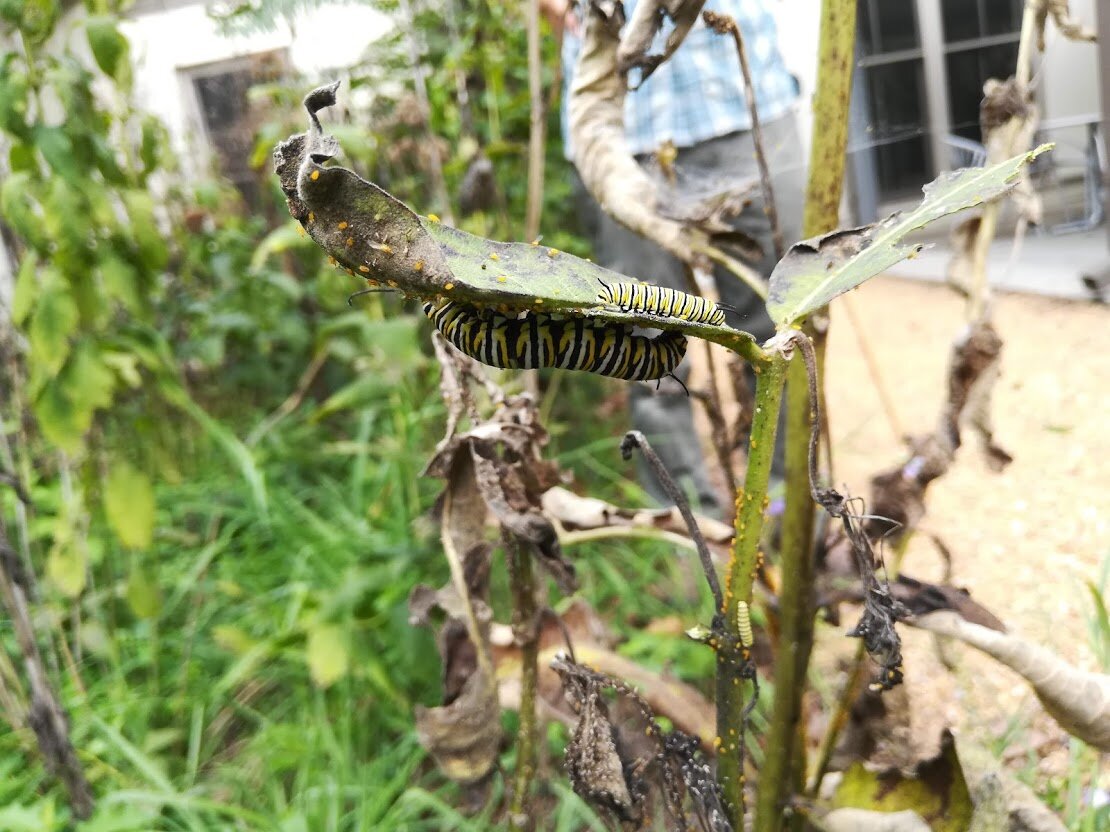
Earth is a planet rich with life, diversity, and complexity. This is no secret, given that Earth is the only solar body that harbors biological creatures that interact with each other through ecological systems. Often, these interactions go unnoticed in our daily lives, but it is difficult to overstate the impact humans have had on all of Earth’s life. From the largest living land mammal to the smallest single-celled organism, human activity has both negatively and positively affected almost all of it.
Insects make up one of the largest groups of life on Earth, second only to microorganisms, so naturally it makes sense that interactions between humans and insects have impacts on both parties. In recent studies, researchers have found that insect populations are declining worldwide, especially in areas with intense land-use change. With the loss of insects, we also lose our connections to them, and without connections to insects, human ways of living would be significantly altered.
In my new podcast, “Bugging Out!” I discuss the differences and importance of human-insect interactions with Jim McNeil, an entomologist at the Smithsonian Mason School of Conservation. In addition to discussing the ecological importance of insects, we also talk about different ways we as individual humans can help our local insects avoid further population decline. As an environmental advocate and insect enthusiast, I hope you learn something new and find an appreciation for the smaller things in life.
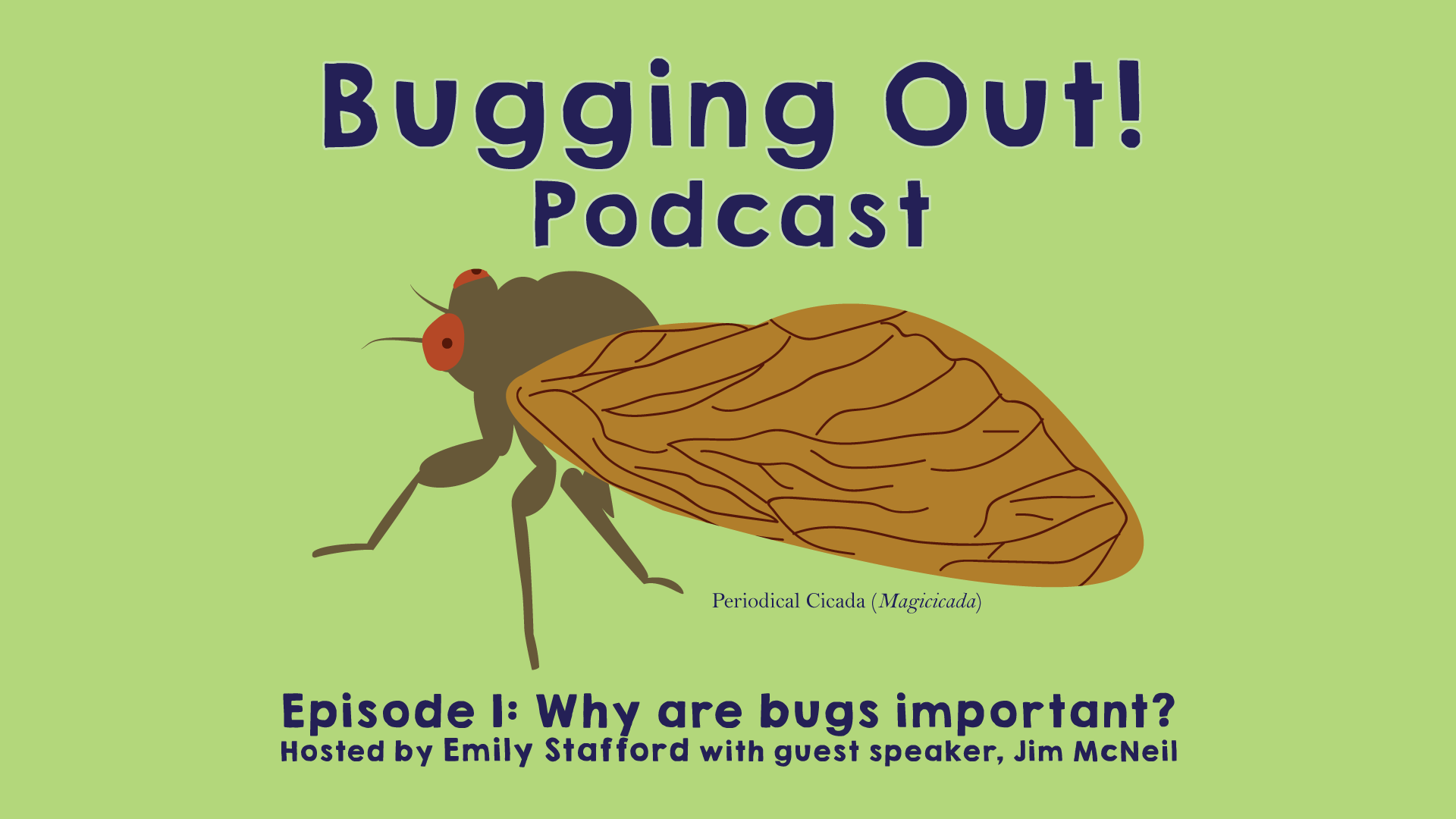
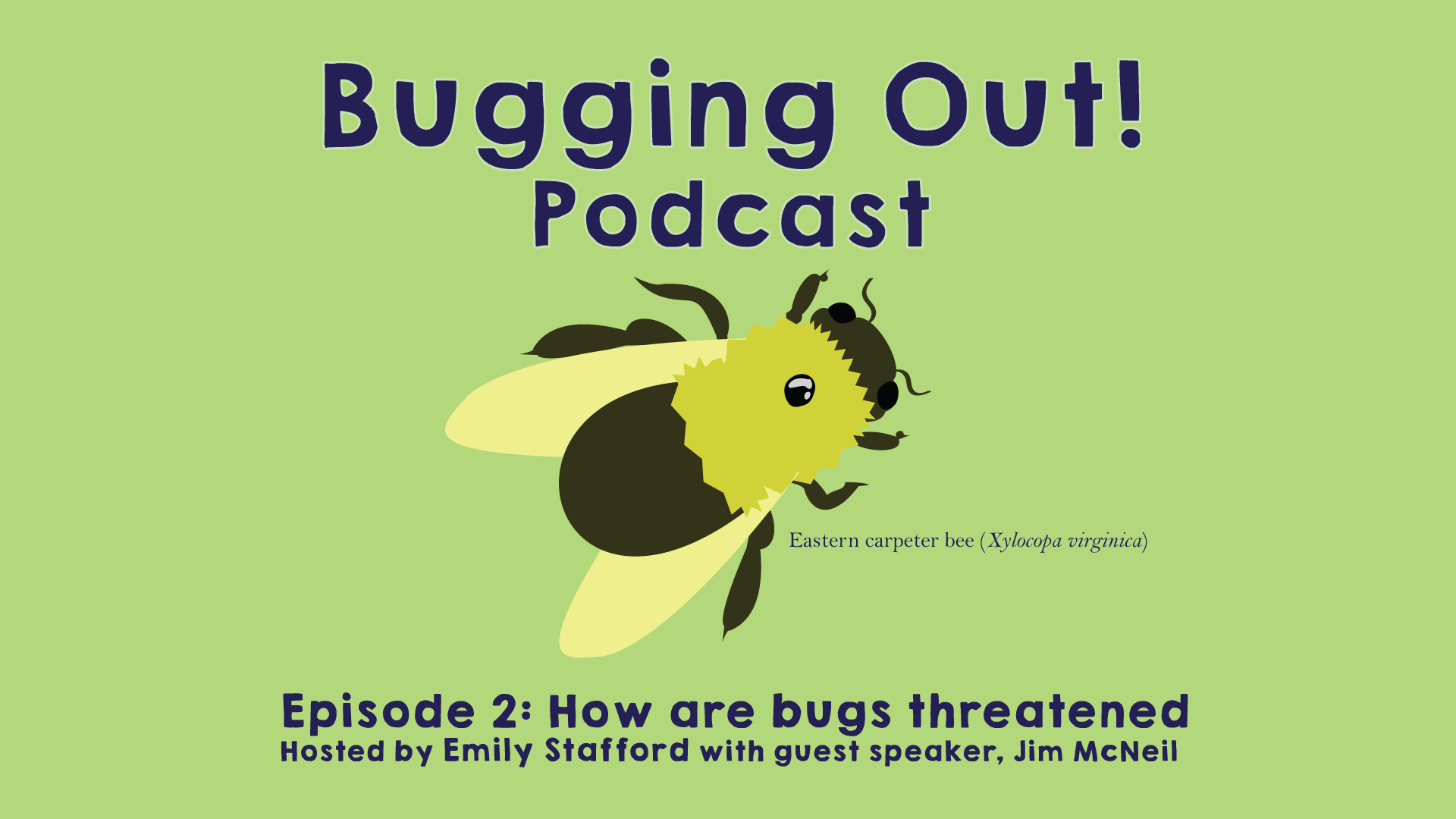
Episode 1: Left and Episode 2: Above, of the podcast.

Episode 3: What can we do to help?

Emily Stafford is a student at George Mason University majoring in Environmental Science with a concentration in conservation. She is worked with Running Wild Media in pursuing her dream career in documentary filmmaking. She is an advocate for sustainable human development and insect conservation.
Through her internship, Emily created a podcast to communicate the importance of insect biodiversity to members of her community. Through this work, she is working to protect and preserve these important organisms.
A night among the herps: Costa Rica
In search of some of the coolest species of herps in Costa Rica, Co-founder Justin Grubb heads out into the night to photograph venomous snakes, rare frogs, and the conservation work behind them.
Central Valley, Costa Rica
Costa Rica is one of the most biodiverse countries on earth. Simply put, there are more species of animals found within Costa Rica’s border than in any other similar-sized region on earth. This is saying a lot for such a small country. One of the main reasons this area boasts so many interesting species is because it forms a land bridge between North America and South America. Among the rainforest, one can observe jaguars and mountain lions, raccoons and capuchin monkeys, white-tailed deer and Biard’s tapirs. Due to the region’s climatic stability, many species have evolved to fill new niches to avoid competition. One such group of animals - known as herps (amphibians and reptiles) have evolved to live high in the treetops, along the ground, and underwater. There are roughly 400 species of herps found here, and each one is unique and has an incredible conservation story.

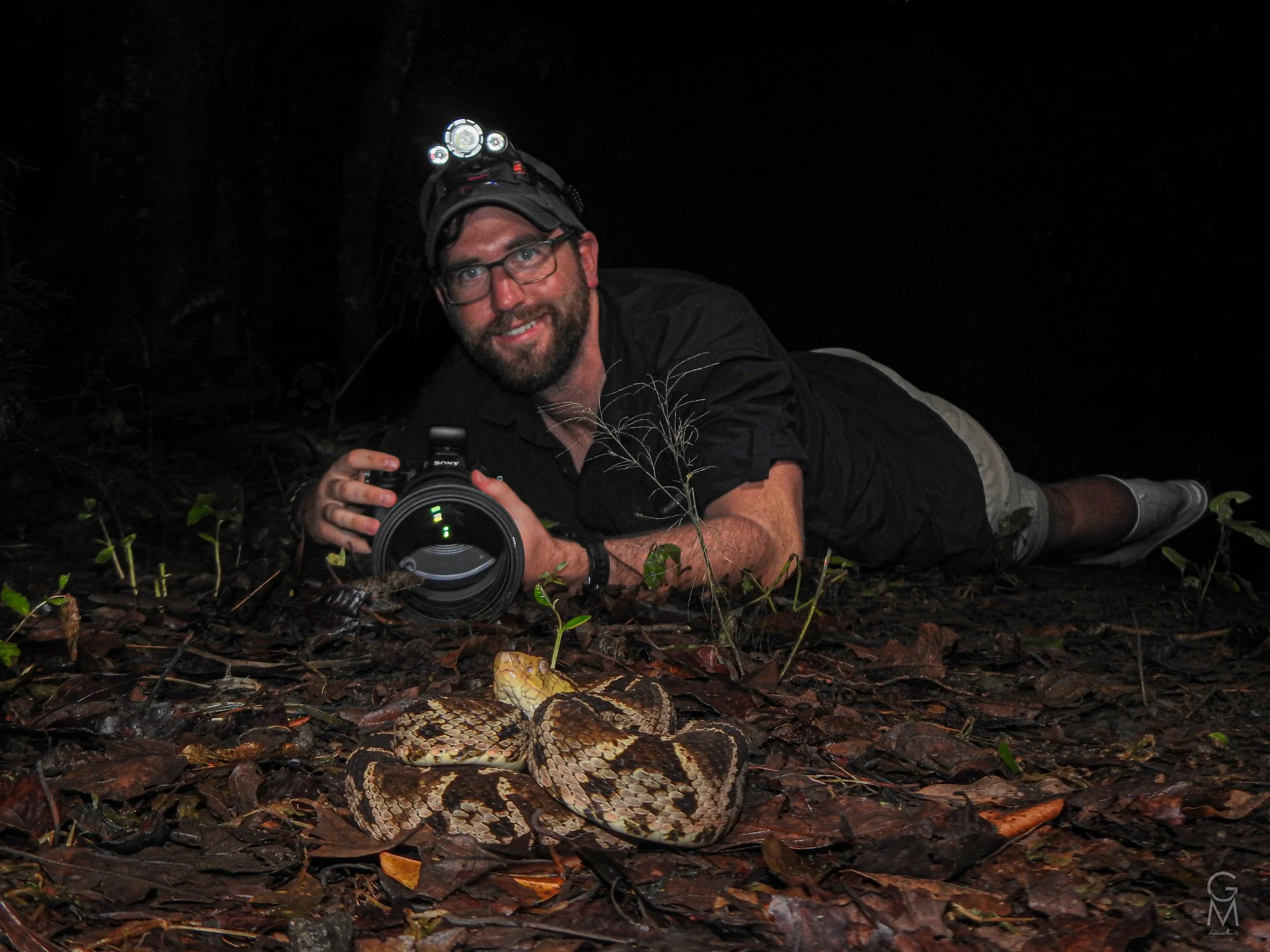
Justin Grubb with a Fer-de-lance snake. Photo by Tavo Murillo


Hiding amongst the leaf litter is this deadly predators strategy for ambushing prey. You can see how wonderfully it blends in with its brown and tan coloration. This highly venomous pit viper relies on camouflage to remain hidden on the forest floor in Costa Rica. This species feels fairly comfortable around people and often wanders near homes in search of easy prey such as rabbits, chickens, and cats. This species is important to the ecology of the forest and is often killed out of fear, adversely affecting the habitat surrounding them.
This individual was found near a home in the Central Vally and relocated safely so that the species can continue to live and contribute to the web of life. Upon release, we took the opportunity to snag a few photos.
Typically, the fer-de-lance injects about 105 mg of venom per bite but the record is 310 mg which was recorded while milking the species to create antivenin. It only takes around 50 mg of this species' venom to kill a human which is why it is the deadliest reptile in The America's. Their venom is a hemotoxin, meaning it attacks the red blood cells.


This is one of the coolest looking tree frogs I have ever seen. The blue sided leaf frog is a striking frog found in the Central Valley of Costa Rica. This vulnerable species of tree frog is only found only in the heart of Cost Rica and has animal has suffered from habitat loss through urbanization which acts to fragment populations. It is also challenged by the use of pesticides in agricultural fields and in home gardens.
Jardin De Lourde is an eco-resort located just outside San Jose yet boasts a healthy population of these frogs.
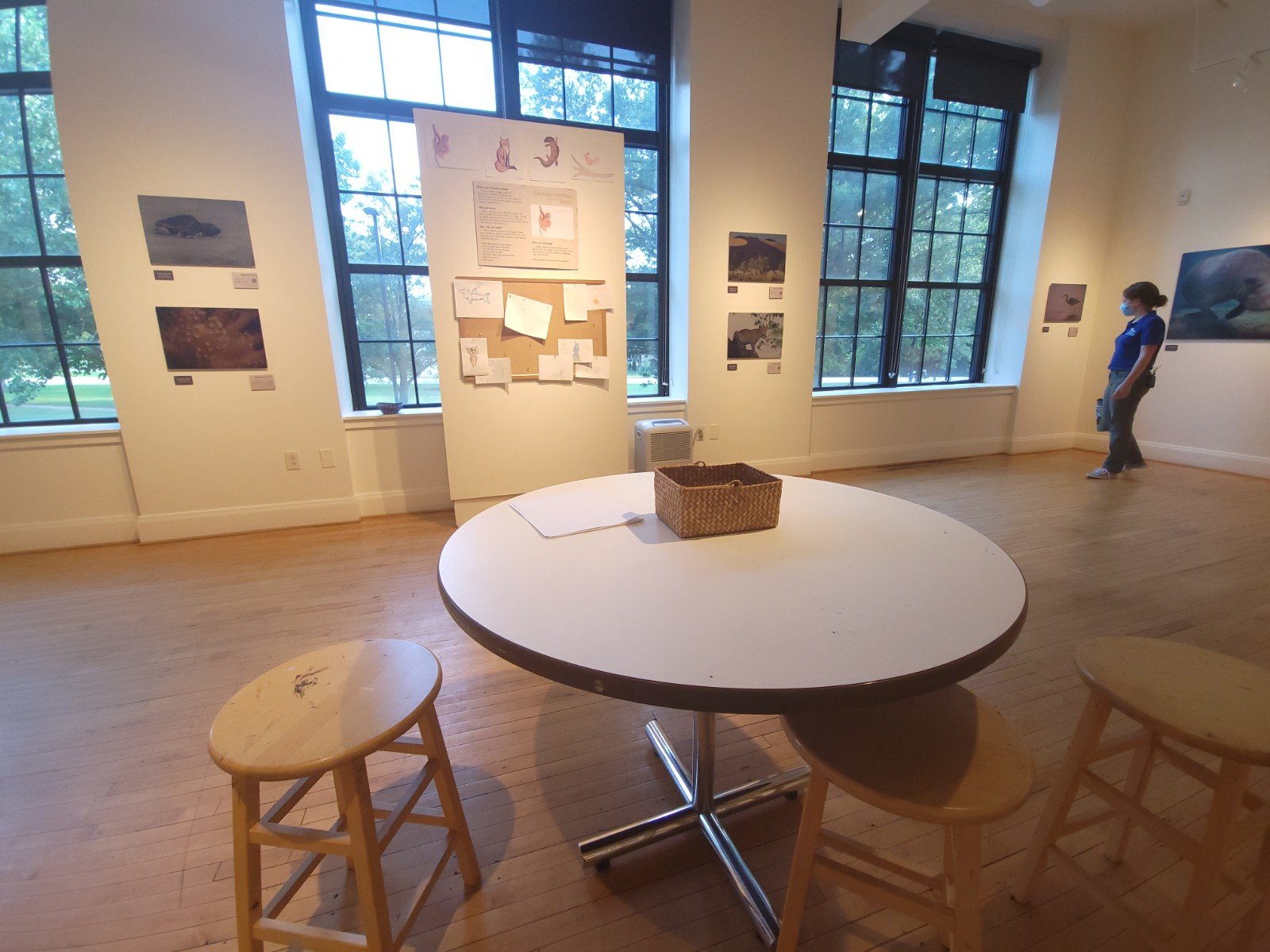
Conservation through a Lens at the MAC
The wildlife gallery “Conservation through a Lens” has made it to the Peggy R. McConnel Arts Center in Worthington to connect the city to the world of conservation.


The wildlife exhibition “Conservation through a Lens” traveled to the Peggy McConnell Arts Center in Worthington, Ohio to connect the city of Worthington to the world of wildlife conservation. The exhibit featured participatory exhibits including one where visitors can draw their favorite animal and display it among the exhibit for others to learn about. This allows visitors to contribute to the exhibit and feel proud about the work they have completed inspired by the images along the walls.
The McConnell Arts Center | July 12th - September 2nd, 2021

The Endangered Wolf Center holding a presentation for the gallery.
The Endangered Wolf Center of Eureka, Missouri held a presentation about the work that they do to recover red wolves. This presentation relates to the film “Resilience: Story of the American Red Wolf” that Running Wild Media produced to highlight the recovery effort and misconceptions of the species. The exhibition also featured an exhibit titled, “The Forgotten Wolf?” which highlights the story of a captive-born red wolf and his journey to the wild.
Supporting Conservation around the world
The wildlife exhibition raised over $2,000 dollars for conservation organizations in the United States, Indonesia, and Costa Rica through the sale of prints, textiles handmade in Borneo, stuffed animals, and calls for donations. The exhibition was able to raise awareness of conservation challenges abroad and in people’s backyards as well as fund continued conservation efforts to support species highlighted at the gallery.
Learn more about this exhibition by visiting the MAC’s website.
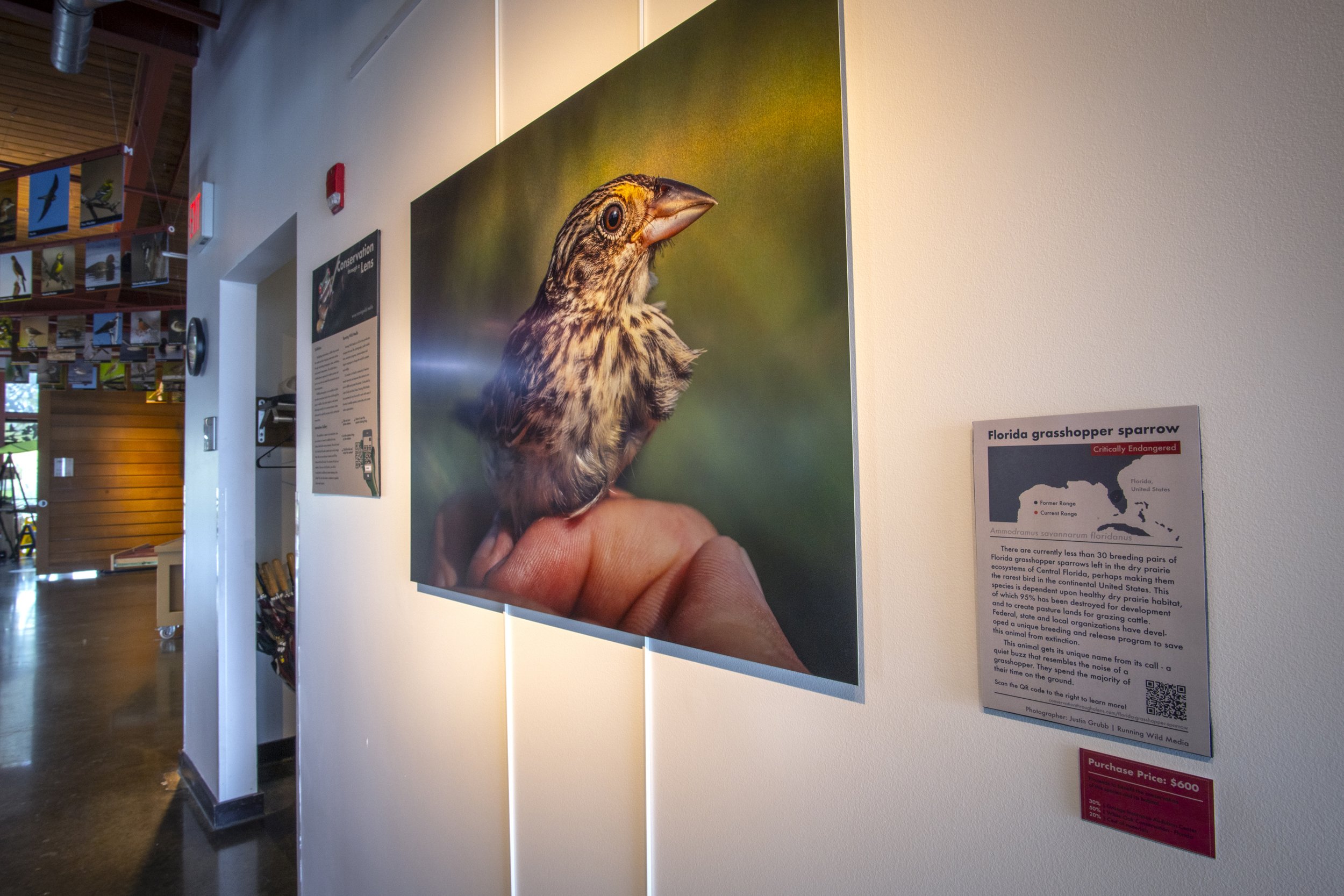
Wildlife photography exhibition at Columbus Audubon
Running Wild Media is debuting its first wildlife photo exhibition in Columbus, Ohio this April. Get up close to incredible wildlife from around the world through this immersive multimedia wildlife exhibit.
The Exhibition
Highlighting extraordinary wildlife from around the world and their intriguing conservation stories through captivating photography, video, workshops, and powerful interpretation. This exhibit takes a multidisciplinary approach to combine science and art in a way that can benefit the community and our local ecosystems.
Wildlife photography is an incredible tool that provides an exclusive look at the world through the eyes of wildlife. Each photo depicts a wild animal behaving naturally in its own environment unless influenced for scientific purposes only by authorized researchers.
Schedule:
The Grange Insurance Audubon Center of Columbus | April 9th - June 18th, 2021


Above: Images of the gallery in the Grange Insurance Audubon Center in Columbus Ohio. Visitors come face to face with incredible images of wildlife and their conservation stories.


EXHIBITION FEATURES
America’s Forgotten Wolf - The rarest canid in the world lives right here in the United States. View the cutting edge conservation work that has been put into saving this species from extinction and see the process from puppies being born in managed care to the release of wolves back into the wild for the first time in decades.
Hall of Threatened Species - Learn about some of the worlds rarest species and species found in your backyard in this interactive exhibit. You can watch videos, comment on an online website dedicated to the gallery and create your own piece of art to contribute to Columbus’ wildlife stories.
Planet Indonesia - Indonesia is one of the most biodiverse and threatened regions in the world. Learn about one organization that is preserving at-risk ecosystems and endangered wildlife through village-led partnerships.


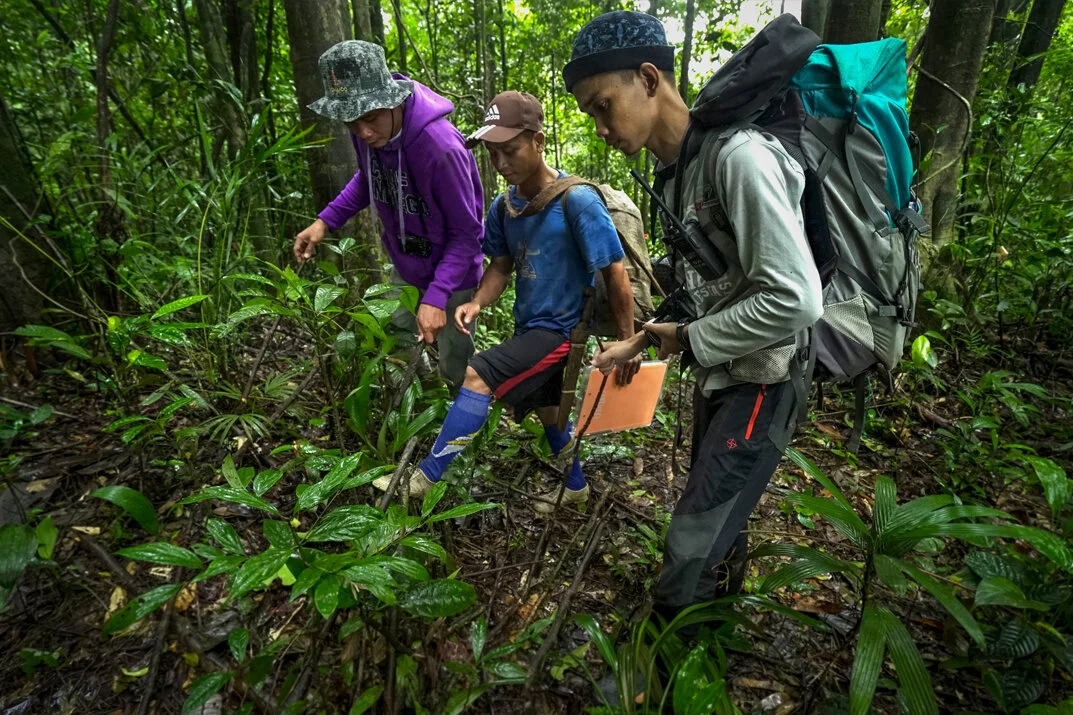
WORKSHOPS
Converting Photography into Video
Introduces the differences between taking videos of wildlife and taking photos. It will explore the settings, the techniques and the equipment necessary in order to record eye catching wildlife videos. Some equipment will be necessary like tripods for participants to get the most out of the workshop.
Introduction to Wildlife Photography
For younger or amateur photographers. This workshop will go over the basic settings and equipment needed for wildlife photography as well as techniques to getting the best photographs. This workshop can also be done with cell phones.
Using Media to Interpret the Natural World
For individuals interested in learning about storytelling and how to use videos and images in a way to tell a unique story about the wildlife they are seeing. This workshop will be lecture style and done mostly in a classroom but could also be offered virtually.
All proceeds of metal print sales will go to the conservation organization that is working with each species in the photo. Your support is saving wild animals.
Check back for updates!
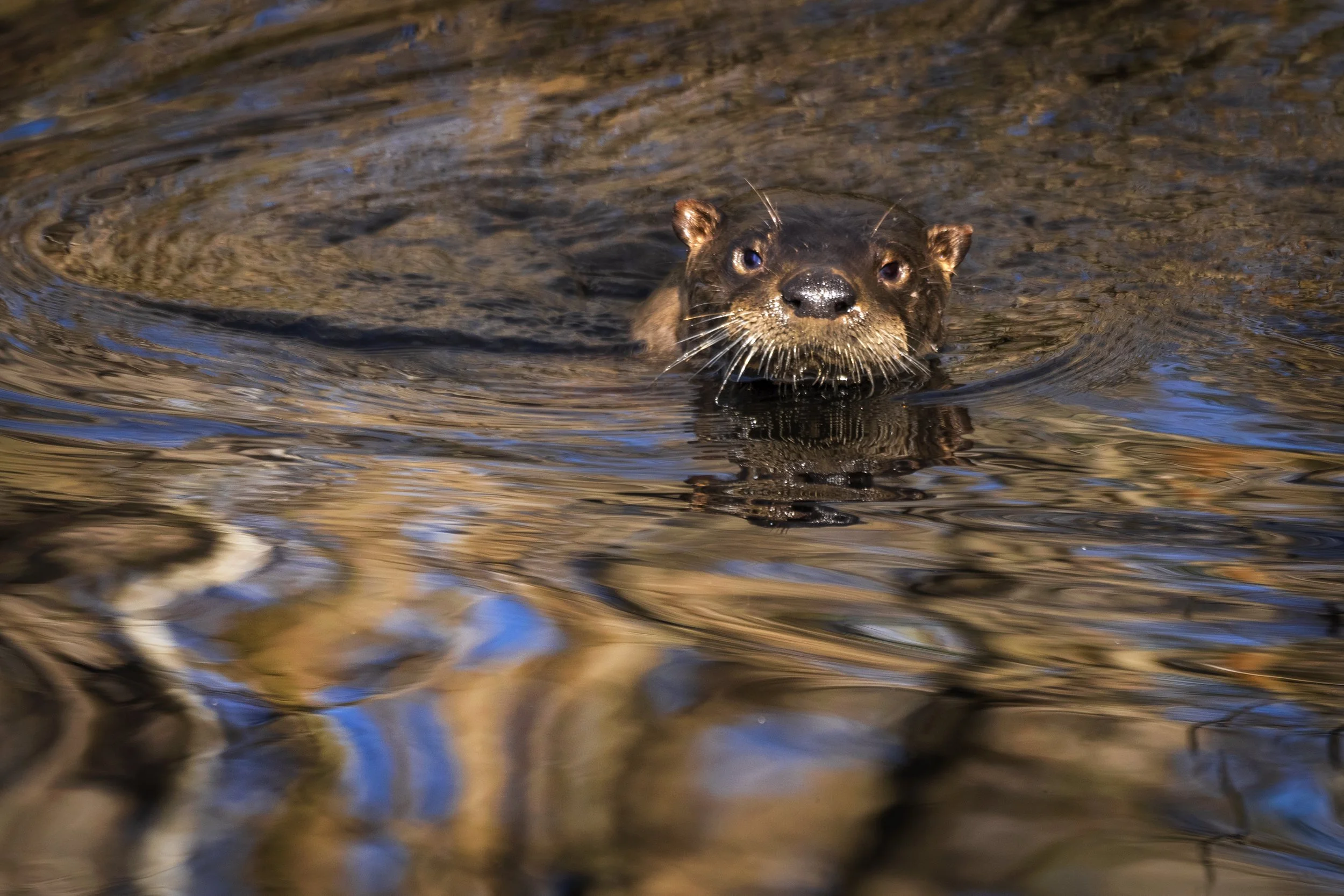
Filming Otters for CBS Sunday Morning
Our encounter with a family of North American river otters was featured on CBS Sunday Morning. Learn more about how we were able to capture this beautiful otter family and where we were.
Alligator River National Wildlife Refuge
Exploring the Alligator River National Wildlife Refuge in North Carolina is an incredible way to see all sorts of wildlife. We were recently shooting a project about red wolf conservation, but took the opportunity to seek out some of the other animals living on the Refuge. Among black bears, bobcats, red wolves, foxes, and birds, there is a robust population of North American river otters living in the rivers, dykes, and streams throughout the area.

River Otters are part of the weasel family, making them related to badgers, wolverines, and even ferrets. One charactersitic of all weasels, are their scent glands. These glands give these animals a very distinct oder and allow them to communicate great distances by smell. Otters have some of the densest fur of any animal on earth, allowing them to swim around in the water in extreme temperatures. When diving, their fur traps air in between the skin and fur, keeping the animals warm as they hunt. Otters eat a diet of fish, amphibians, reptiles, and even birds.
To film these otters, we had inititally scope out locations for otters to likely be. Along the side of one of the draininage areas, we located what looked like the perfect den. We staked the area out for several hours and low and behold, a family of river otters came swimming up and plopped on land to enjoy a massive cuddle session. To film the sequence, we used telephoto lenses and kept our distance so we didn’t disturb the animals while they did their thing. It is important to be very quiet while filming wildlife or else you won’t get to experience incredible moments like this.


Telephoto lenses make all the difference when filming wildlife. Red wolf tracks in the sand in the Alligator River National Wildlife Refuge. Snow geese congregate along their migration route in Eastern North Carolina.
Shot for CBS Sunday Morning. Learn more about their Nature segments here.
State governments ignores science - putting rural communities in greater bushfire risk
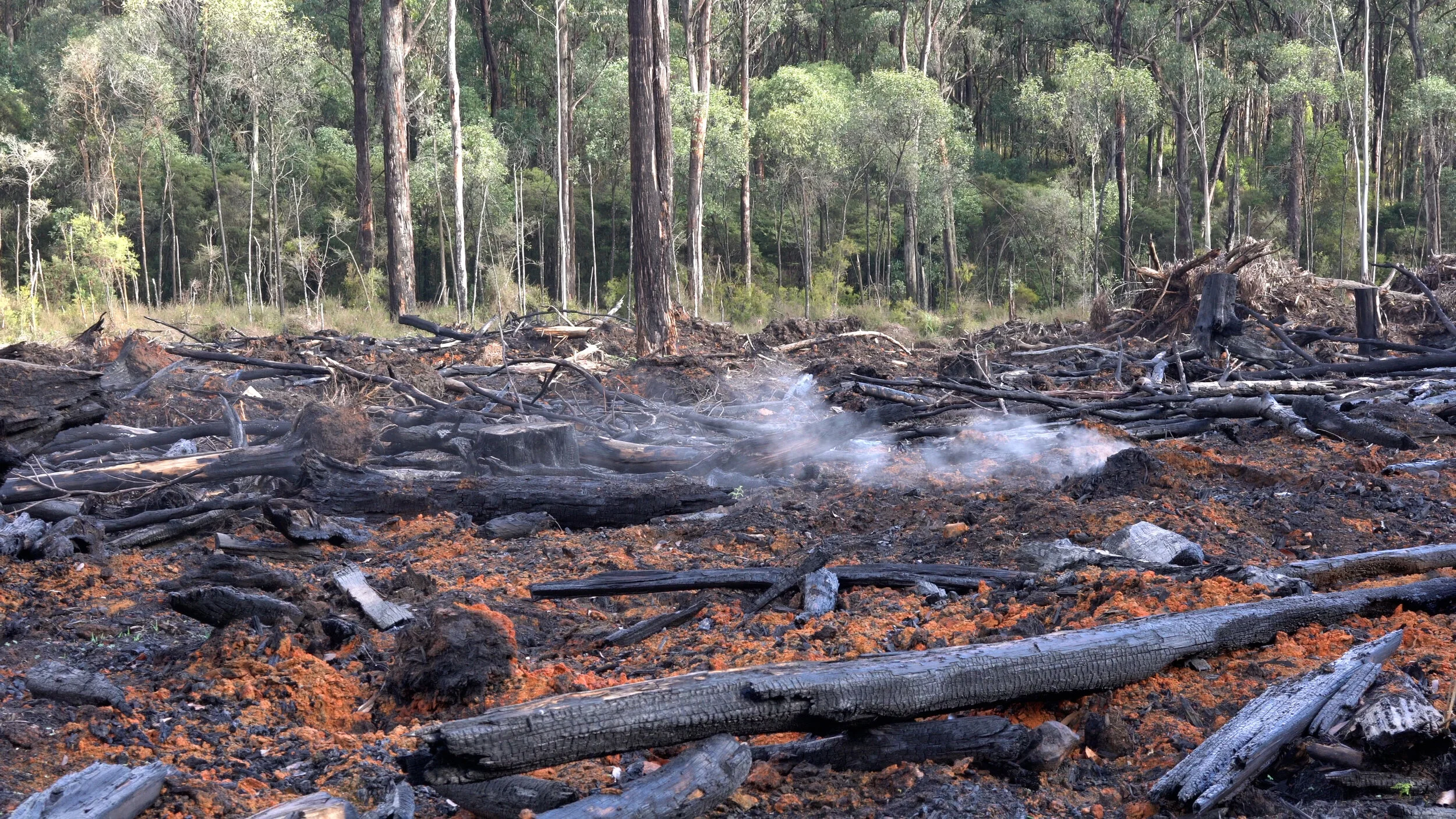
The first time Nic Fox walked onto the edge of the Pats Corner coupe, a deforested site just two kilometers from the nearest Victorian town of Big Pats Creek, she collapsed into tears.
State government backed logging putting rural communities in greater bushfire risk
By Stephanie Chen
The first time Nic Fox walked onto the edge of the Pats Corner coupe, a deforested site just two kilometers from the nearest Victorian town of Big Pats Creek, she collapsed into tears.
As the vice-president of Warburton Environment, Fox had always been dedicated to the conservation of the Mountain Ash forests in Victoria’s Central Highlands, an endangered ecosystem found only in Victoria and Tasmania. But this time she felt more than just grief for what once stood in place of the barren landscape she now calls the “hellscape.”
She also felt immense dread for the people in her community because in the past 6 years, surmounting scientific evidence has shown a direct link between logging of native wet forests and increased wildfire severity and frequency.
At the same time, industrial native forest logging projects have been inching ever closer to the borders of rural Victorian, New South Wales and Tasmanian towns which already exist in some of the world’s most dangerous fire zones.
That increased bushfire threat became a close reality for Fox’s home in Warburton earlier this year, when the Victorian Government backed enterprise VicForest, chose to log just 3km away.
“I had been researching and reading a lot about how logging increases risk of fire severity and of crown fires [where fires leap from tree top to tree top], already thinking it’s ridiculous that the government continues to mandate logging near settlements knowing the science and risk is there.” Fox said.
“But when [a colleague] sent me an email asking me if I knew they were going to log on Mount Bride, and you can go out my backdoor to see Mount Bride, just on the other side, which as the crow flies it’s only about 3 km away, is the coupe that was up for logging in February/March this year… and I just went no no no that’s way too close to my home.”
“There was this visceral realisation of the increased fire risk we were going to be put in and having just experienced the 2019/2020 Black Summer bushfires, to have already lost so much… It is criminal.”
Despite the understandable gut-assumption that logging should lead to less fires (what’s there left to burn if it’s been cleared away?), the link between logging of native wet forests and increased fire severity and frequency is backed by a long-history of research stretching back decades, across Canada, the USA, Patagonia and Australia.
However, it’s also true that even science can rarely offer a perfectly black or white argument. In opposition, VicForest frequently cites a single major paper written in 2013 which denies the link between logging and increased fire risk. It was co-authored by researchers and logging industry employees and led by Dr Peter Attiwill, a now retired researcher from the University of Melbourne.
As immediately as the wheel of science is capable of turning, the 2013 paper was refuted by Senior Professor Ross A. Bradstock and Dr Owen Price, both from the University of Wollongong, who conducted the original research which produced the data used in Dr Attiwill’s study.


For many, such as Distinguished Professor Jamie Kirkpatrick, from the University of Tasmania and an Order of Australia recipient, the new generation of research by multiple institutions and research groups provide “clear and overwhelming evidence that logging makes forests more flammable” as he explains why in a piece for The Age.
“In logged forests, the body of evidence shows increased flammability begins in the first 10 years after logging or fire and continues for about another 30 years” said Professor Jamie Kirkpatrick.
“Dense plant growth occurs in forests growing back from either logging or fire… [which can] create a "fuel ladder" to the treetops. Growing trees in young forests create greater fire hazard for decades.
“The wind speed on hot days increases because of the lack of a tree canopy, wind speed is a key factor in creating extreme fire conditions.
“Climate change is already resulting in more extreme fire danger days, and the evidence is that native forest logging makes things worse.”
Pleading the case
Despite this scientific consensus and research, Fox says the Victorian government has ignored community attempts for meetings or discussions. A few months after one of Australia’s worst fire seasons, 59 new coupes were approved for VicForest to log in and near the Gippsland region.
Professor David Lindenmayer, lead researcher at the Fenner School of Environment and Society at the Australian National University and an Australian Officer of the Order, says many pleas have also been made by the scientific community to the government which are being ignored.
“We’ve been recommending there should be no logging within several kilometers of towns because of the potential [increased flammability] dangers.” Professor Lindenmayer said.
“People from Noojee, not too far from Warburton, have sent VicForest letters of complaints about the dangers posed to their communities by logging so close.
“The newest body of work, all that material has been made available to them, there’s been a whole lot of letters written to the Victorian Government over long-periods of time.”
While the majority of native forests across Victoria is under public ownership and managed by the government, there is one other major player. The judiciary system, who most recently sided against VicForest in a landmark case about illegal logging.
“From my understanding there’s another 5 court cases going on. You can imagine why VicForests doesn't want to admit there’s problems because obviously there’s potential liabilities [to their business model] here.” Professor Lindenmayer said.
“So the actions of the VicForest are not necessarily the actions of an organisation that's sympathetic to the interests of rural communities.”
Premier Daniel Andrews, Leader of Victoria’s Labor government, has previously addressed the issue of native forest logging.
“Today we announced an end to old growth logging. And that by 2030, all native timber logging will cease.” Premier Daniel Andrews declared on November 7, 2019 via Facebook.
At the time the decision was applauded by many Victorians as progressive. For those in the know however, 2030 was a very deliberate year.
The true cost
Adam Fletcher, a conservationist from Toolangi, says the primary motivating force behind native forest logging is to meet the demands of the Wood Pulp Agreement Act 1996. It is a deal Fletcher describes as a “heartbreaking sellout” of Australian natural resources to international corporate interests.
“The majority of native forests logged goes to the Maryvale paper mill in Gippsland which is owned and run by Australian paper, but [Australian paper] is actually owned by the Japanese company Nippon paper.”
“Lots of people think it’s going towards quality timber goods but of the native forests logged yearly, an average of 80%-87% will become pulp for Nippon paper.


“In 1996, under liberal state government, when Premier Geoff Kennett signed the Wood pulp Agreement Act, he gave these forests away for 30 plus years just to make paper.”
Those 34 years come to an end in 2030.
Even purely on economic terms, this has become a costly deal for the Victorian tax-payer. In the 2018-2019 financial year VicForest was paid $18.7 million in “other income from Victorian government entities.” This scraped VicForest into their reported $3 million profit.
Furthermore in recent surveys, 80% of rural and regional respondents in Victoria stated they no longer supported the continuation of native forest logging.
Of those who are still pro-native forest logging, and even those who are not, community members are concerned over potential losses of jobs in the forestry industry. It’s a source of conflict that Fox believes does not have to exist.
“The media like to pitch it as the greenies against the jobs when ultimately it's not us and them. We're all in this together.” Fox explained.
“More than 90% of timber industry workers have shifted to plantations and there is already a plan for the remaining 9% left working in the native forest industry sector to transfer over by 2030. Why not as soon as possible?
“There's already $120 million put aside. There are small mills around here that don't have the saws that will take plantation timber, well let's help them to get those saws so that they can take plantation timber and process that.
“Native forest logging is economically unsustainable too… what happens to the jobs in a few years time when there’s nothing left to log.”
In 2018, a Forests (Wood Pulp Agreement) Repeal Bill was introduced in Victorian Parliament but was promptly and quietly voted down.
And so for constituents like Fox, the fight for this battle continues.
“There are just so many different possibilities but we need to act now, not by 2030 as announced by Daniel Andrews, but we need to act like we’re in an emergency now because we are.” Fox said.
“I want people from Melbourne, which is just an hour and a half away, to come out and see what's happening in our backyard… it's your water supply as well, it's your place of sanctuary that’s being destroyed.
“Until I know that our precious state forests are no longer being cut and are protected, I won’t stop and I won’t be silenced.
“This is a matter of protecting my community, my family and my home.”
Hon. Lily D'Ambrosio, Minister for Energy, Environment and Climate Change, Minister for Solar Homes office has been contacted but no comments have been provided.
The concerns surrounding native forest logging increasing fire threats is shared by many rural communities in NSW (along the south and north coasts, Eden Bay and Batemans Bay), Tasmania (Geeveston, Maydena, Derby, Southport and Dover) and Victoria (Warburton, Big Pats Creek, Toolangi, Healesville, Noojee, Orbost, Mallacoota and Cann River).
Beyond the Lawn
Evolving beyond the cultural significance of the American lawn may be millions of macro-invertebrats’s last chance at survival. With so many populations at risk, converting unused lawn to natural habitats may be the best conservation movement of the 21st century.
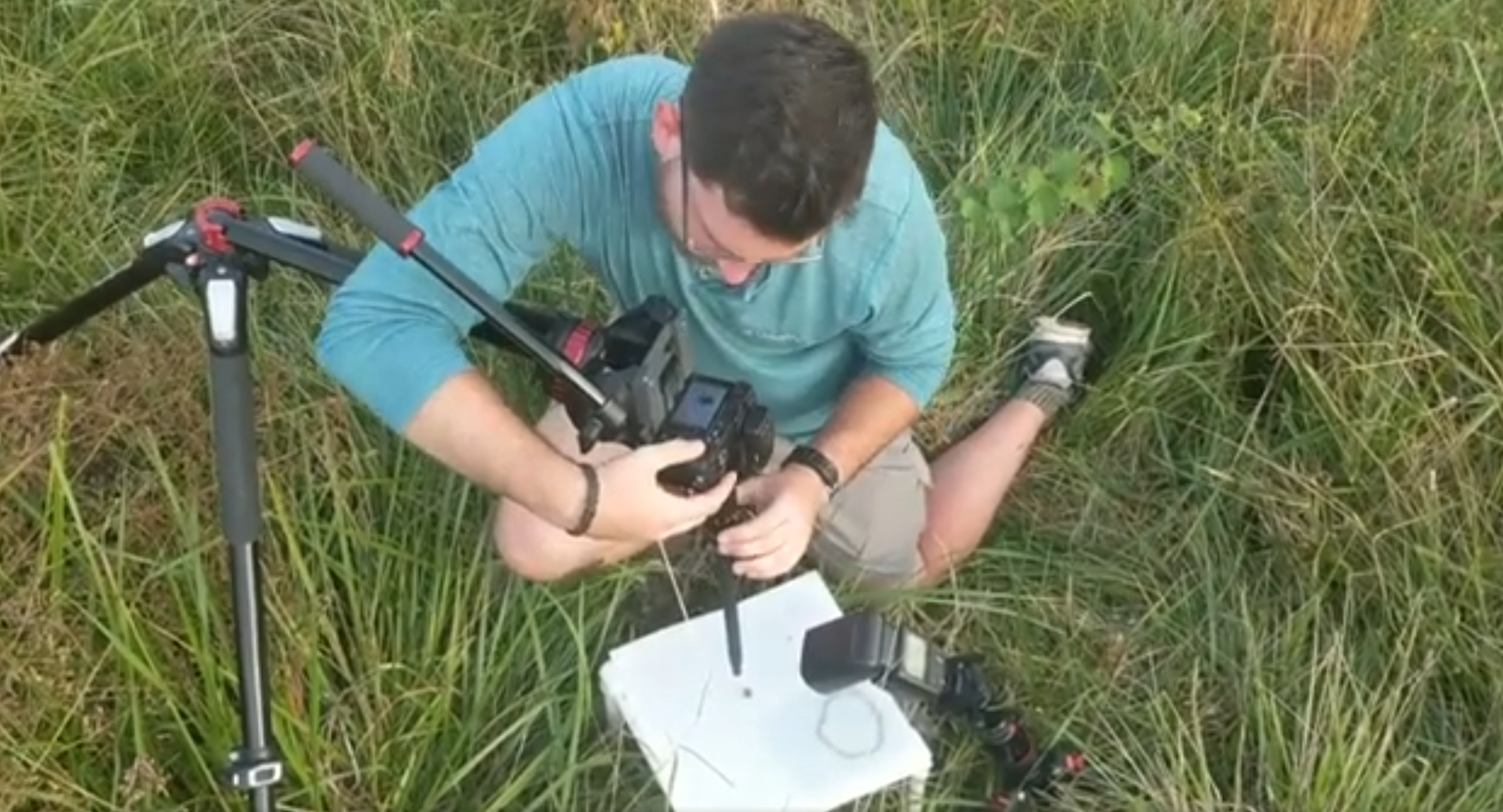
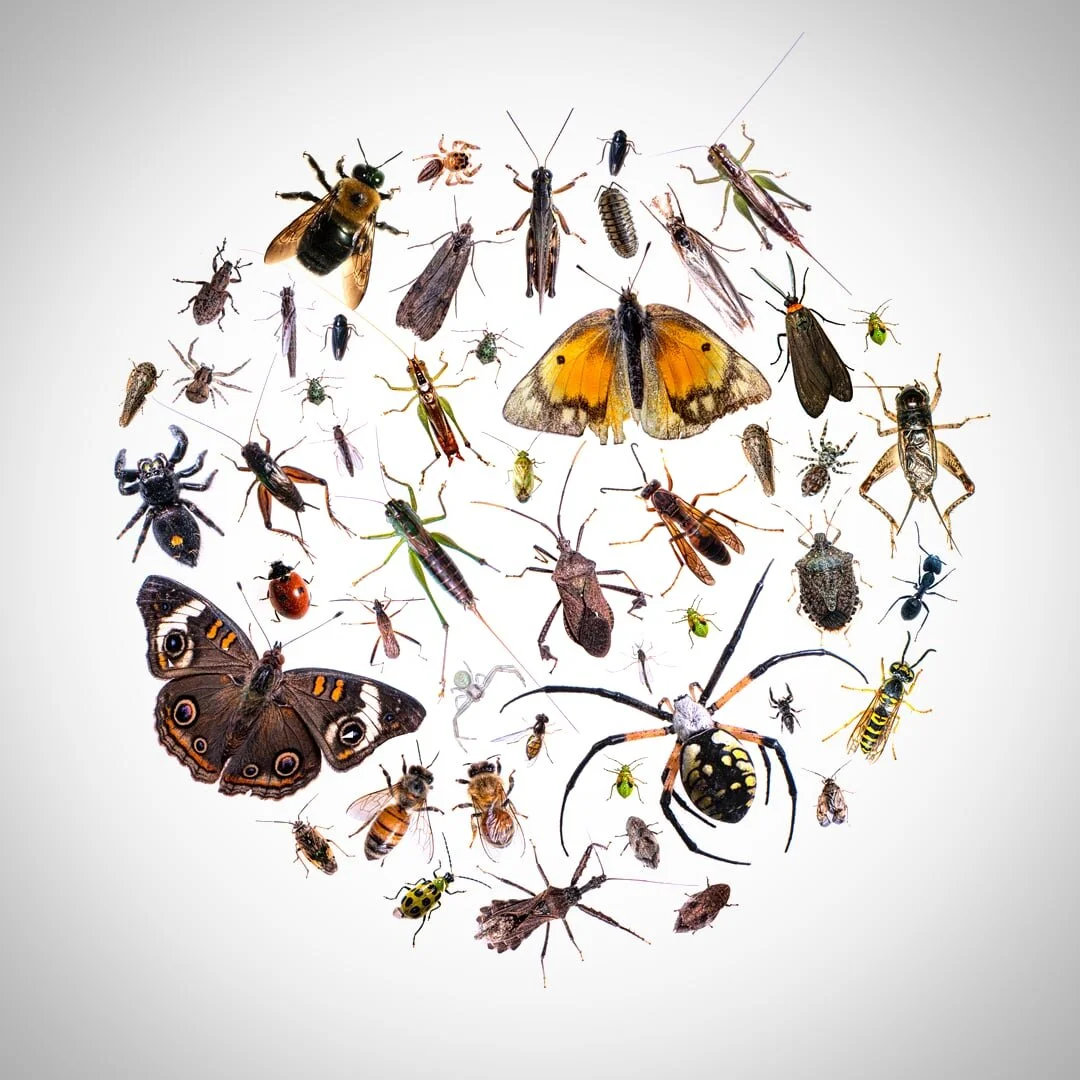
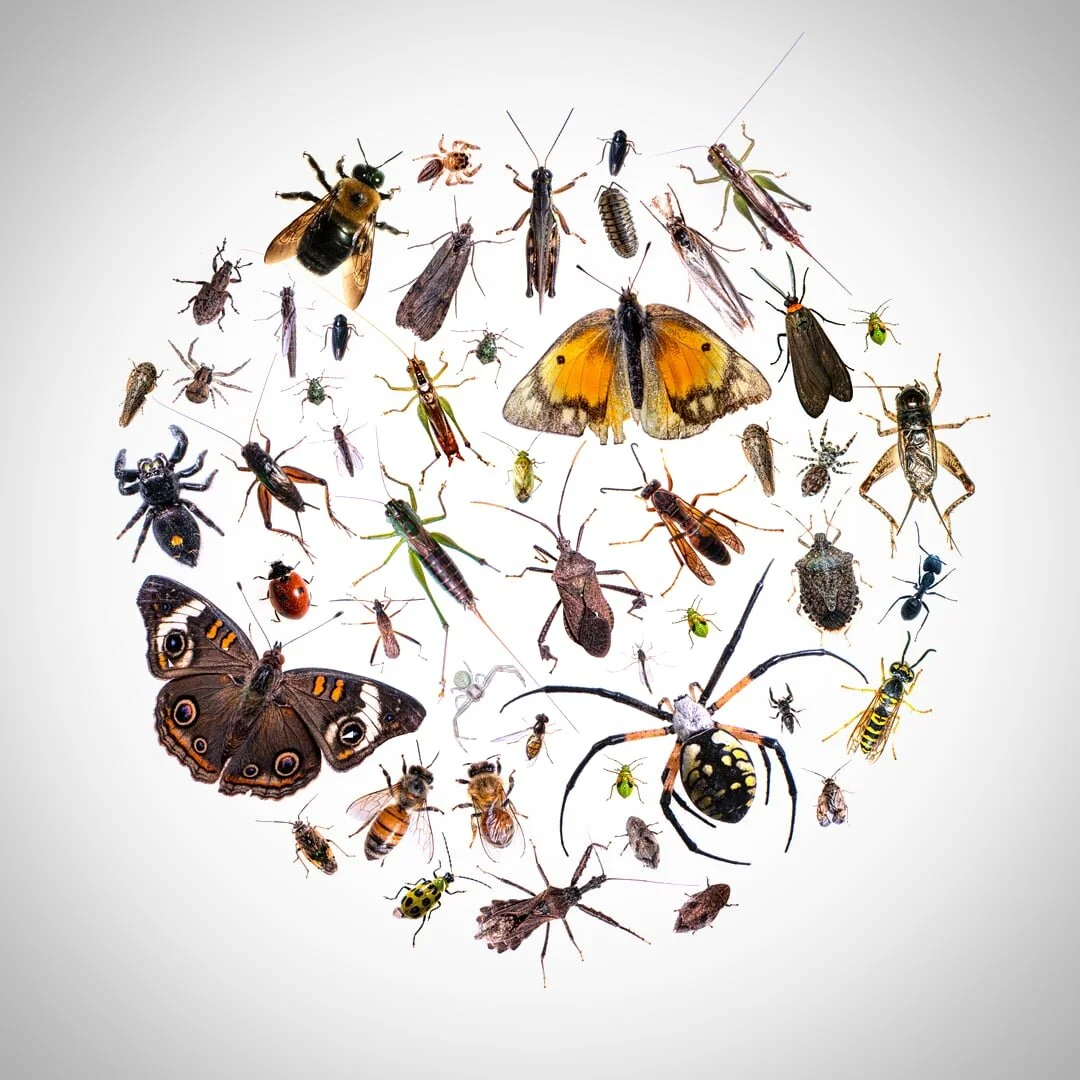
Co-founder Justin Grubb recently conducted a macro-invertebrate biodiversity survey in the neighborhoods of St Louis, Missouri to compare lawn habitats to natural habitats. To document his findings, he built a small field kit to help photograph the animals encountered using the Meet Your Neighbours photography style. Using a macro lens, flashes and a white glass surface, Justin was able to document a stunning array of species found amongst the wildflowers and grasses of Missouri. A total of 21 different species were collected in the prairie habitat and 8 different species were collected in the lawn habitat. According to this small study, you are 3.4 times more likely to find macro-invert wildlife in a small patch of natural vegetation than you are in your lawn.

Turfgrass lawns makes up more than 2% of the continental United States' total surface area and is the biggest irrigated crop. According to the National Science Foundation, lawns are biological deserts and are a direct threat to biodiversity - especially pollinators, which are experiencing a swift decline across the world.


To help, consider converting part of your yard to natural area with native plants like wildflowers, trees, shrubs and grasses. These plants help support more macroinverts which in turn support more wildlife like birds and amphibians. Converting unused lawns back into wildlife friendly habitats will be a huge step in restoring biodiversity across the US and help maintain food security for millions of people. In addition, you would save resources by not needing to mow, fertilize and water your lawns




Public Exhibit
As a result of this research, a public facing exhibit was developed for the Grange Insurance Audubon Center in Columbus, Ohio for visitors to learn about the importance of native landscaping in their yards and the detrimental impact lawns have on native biodiversity. This project also included several workshops and online presentations.